
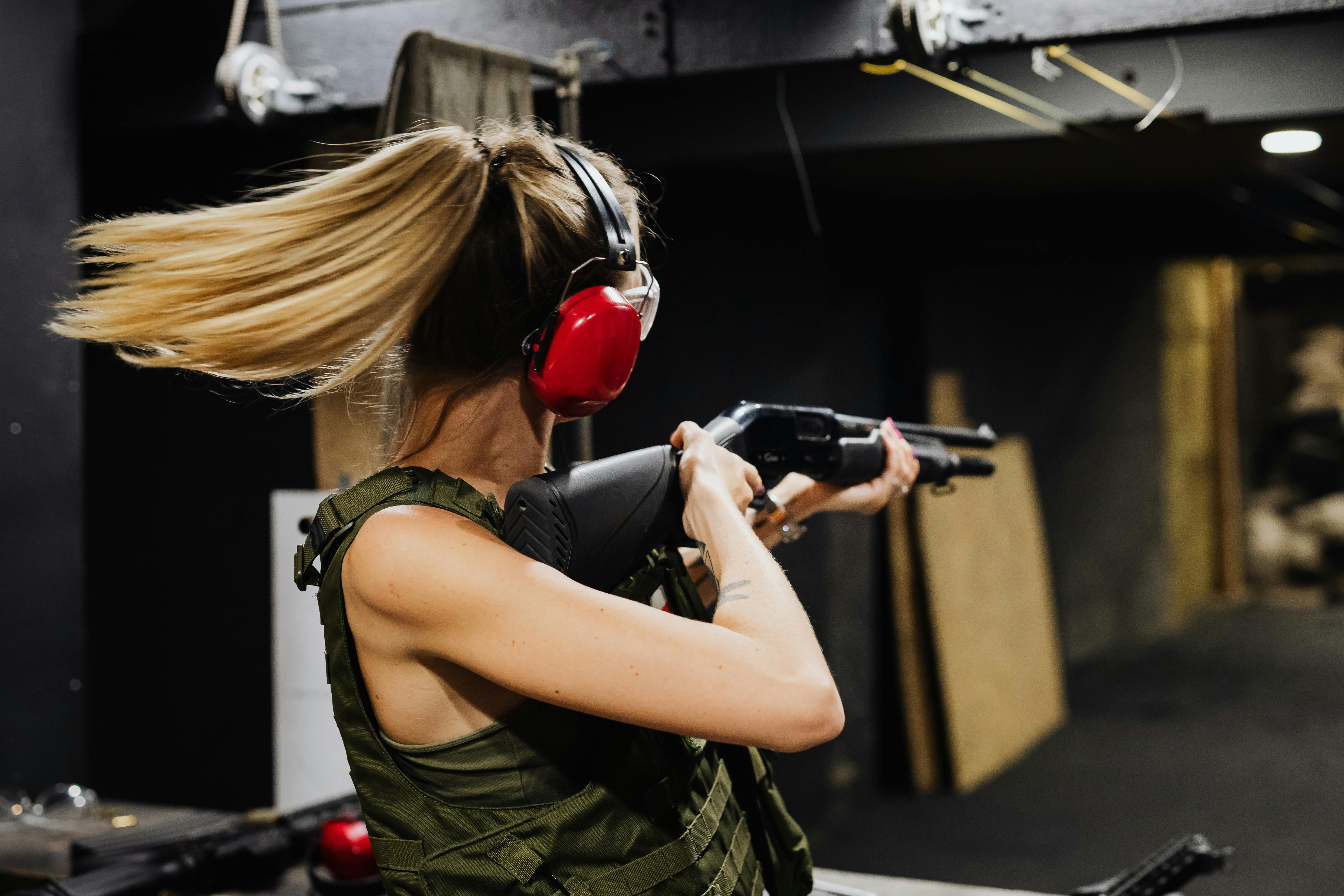

Women now account for roughly 32% of new gun buyers in America—a number that's doubled since 2019. That's not a trend. That's a permanent shift in who owns firearms and why.
I've watched this happen in real time. Five years ago, a woman walking into a gun shop alone was still a rarity in some places. Now they're the fastest-growing demographic the industry has. Some shops tell me women account for 40% of their walk-in traffic. The numbers are real, sustained, and driven by concrete reasons—not marketing campaigns.
But here's the thing: the industry hasn't fully figured out how to serve them yet. Some retailers are nailing it. Most aren't.
Why Women Are Buying Guns at This Pace
Let's skip the sociology and stick to what the data shows. Women cite three reasons consistently: self-defense, concern about crime in their area, and independence from relying on others for protection.
The 2023 NSSF survey data is still the most reliable baseline we have—and it showed 40% of women gun buyers were first-time purchasers. Compare that to men, where only about 25% of new buyers are picking up their first firearm. Women are entering the market from zero, not upgrading a Ruger 10/22 to something serious.
Personal safety concerns spike when crime reporting increases—and women's neighborhoods aren't special. They experience the same carjackings, home invasions, and stalking that men do. But the cultural narrative is different. For decades, the default answer to "what should I do?" was "call the police" or "get a man to handle it." That's changing. Women are deciding they won't wait for either.
Politics plays a smaller role than people think. Yes, some women bought guns during 2020 amid civil unrest and lockdowns. But sustained growth through 2024-2026 isn't coming from panic buying—it's coming from women who already own guns telling their friends it's worth doing.
What the Gun Industry Is Getting Right
A few companies actually understand the assignment. They're not patronizing women. They're not making pink guns and calling it marketing.
Training-focused retailers are winning. Places like Artemis Defense in Texas and some of the better independent shops are hosting women-only classes and making sure instructors can explain recoil management without being condescending. That works. Women show up, learn proper technique, and don't get talked down to. They come back and buy ammunition.
Straight-up honest product recommendations matter more than you'd think. A good counter person saying, "That full-size might be too much for your hand size—try the Glock 19 or the Sig P365" creates a customer for life. The Sig P365 platform has probably done more for women gun owners than any marketing effort, purely because it's effective, reliable, and fits people with smaller hands. SIG didn't make it for women. It just works for people with different body mechanics.
Remington, S&W, and Taurus have all added more women to their training and marketing departments. It shows. When the people designing products and running social media accounts actually carry and shoot, the messaging stops being garbage.
Female instructors and range staff remove friction. Women don't need female-only everything, but having at least one experienced woman on staff who understands questions about concealment options, grip concerns, and recoil management creates a better customer experience. This shouldn't be revolutionary. It is.
Where the Industry Is Still Failing
Most gun shops treat women like a novelty. That's the core problem.
Walk into 70% of gun shops as a woman and watch what happens. You get asked if you're there for your husband. Salespeople assume you want a .22 or a .380 and can't handle a 9mm. Holster recommendations are limited to appendix carry or a tiny purse gun because no one's trained on actually building a wardrobe around concealment. The assumptions are old and stupid.
Holster design is still playing catch-up. Women's bodies are different. Curves exist. Most holster makers have finally added options, but browsing Vedder, Alien, or even Safariland reveals the reality: most inventory is still built for men. You can find women-specific designs now, but it requires knowing they exist. A new female buyer shouldn't have to research for hours to find gear that fits.
Concealment clothing is laughably slow to develop. Women's shooting brands like Alexo Athletica and Vertx exist because the mainstream shooting world ignored the market. That's an industry failure. When women have to buy specialty brands just to have pockets and a cut that works with a concealed holster, you're losing market share to people who actually solved the problem.
Training content designed for women is still sparse. Most YouTube instructors and online courses aren't teaching around the physical realities women face—different grip strength, different body positioning for concealment, different threat profiles they're most concerned about. A few creators like Tatiana Whitlock and some of the folks at Force Science Institute get it. Most don't.
What Needs to Change in the Next Two Years
Retailers need to stop treating women as a demographic to tap. They're half the adult population. Build your shop to serve everyone well, and women show up naturally.
Holster and gear companies need to stop making "women's versions" with pink accents. Invest in actual engineering for different body shapes. Alien Gear and Vedder already proved women will pay premium prices for quality products that fit. The market supports it.
Training needs to expand beyond YouTube. Regional shooting schools should develop specific programs—not "safe space" training, just training that acknowledges biomechanical reality and common scenarios women face. Self-defense responses to stalking, home invasion, and carjacking are different tactically than general defensive pistol instruction. Good instructors know this.
Industry media needs more women writers and columnists. This isn't diversity theater. Women gun owners have different questions, different concerns, and different experience bases. Having that perspective in outlets and publications creates better content and reaches more people.
The Money Is There—Retailers Just Need to Earn It
Women gun owners spend money. They buy ammunition. They take classes. They upgrade gear. They're not impulse buyers—they research more, ask better questions, and stay loyal to shops and brands that respect them.
One independent shop owner I know told me his customer base is now 38% women, up from 12% in 2018. He didn't launch a special campaign. He hired a female range officer who knows how to teach, made sure his staff wasn't condescending, and carried quality holsters that fit different body types. Sales went up across the board because women recommended the shop to other women.
The industry narrative is always "grow the market." Women gun ownership already is growing the market. The only question is whether individual shops and brands will actually serve that market or keep making the same mistakes.
DownRange Bottom Line: Women are now a permanent, growing segment of gun ownership—not because of marketing, but because personal safety concerns are universal. The industry is fractional on this. Some retailers and manufacturers are nailing customer experience and product design. Most are still leaving money on the table by treating women as a separate category to exploit rather than just more customers who deserve better gear, honest advice, and competent instruction. The next two years will separate shops and brands that actually adapted from ones that just added "women-friendly" to their website.
```