2nd Circuit Strikes Down New York's 'Vampire Rule' Carry Ban on Private Property
The Second Circuit Court of Appeals ruled New York cannot ban licensed concealed carry holders from entering private property open to the public unless property owners explicitly prohibit firearms. The decision overturns a key provision of New York's Concealed Carry Improvement Act, which gun rights advocates dubbed the 'vampire rule' because it required explicit permission to enter private businesses. The ruling affects millions of concealed carry license holders across New York. Judge Richard Sullivan wrote the majority opinion, stating the law violated the Second Amendment by creating a presumptive ban on carry rights. New York enacted the restrictions after the Supreme Court's 2022 Bruen decision struck down the state's may-issue permitting system.
Background and Context
New York passed the Concealed Carry Improvement Act in July 2022 following the Supreme Court's Bruen ruling. The law created a presumption that concealed carry was prohibited on all private property open to the public unless owners posted signs explicitly allowing firearms. This reversed the traditional presumption that carry was permitted unless specifically prohibited. The Firearms Policy Coalition and Gun Owners of America challenged the law in federal court. District Judge Glenn Suddaby initially granted a temporary restraining order against several provisions but allowed the private property restrictions to remain. Multiple New York counties and sheriffs opposed the law, arguing it created confusion for both property owners and license holders.
What This Means for Gun Owners
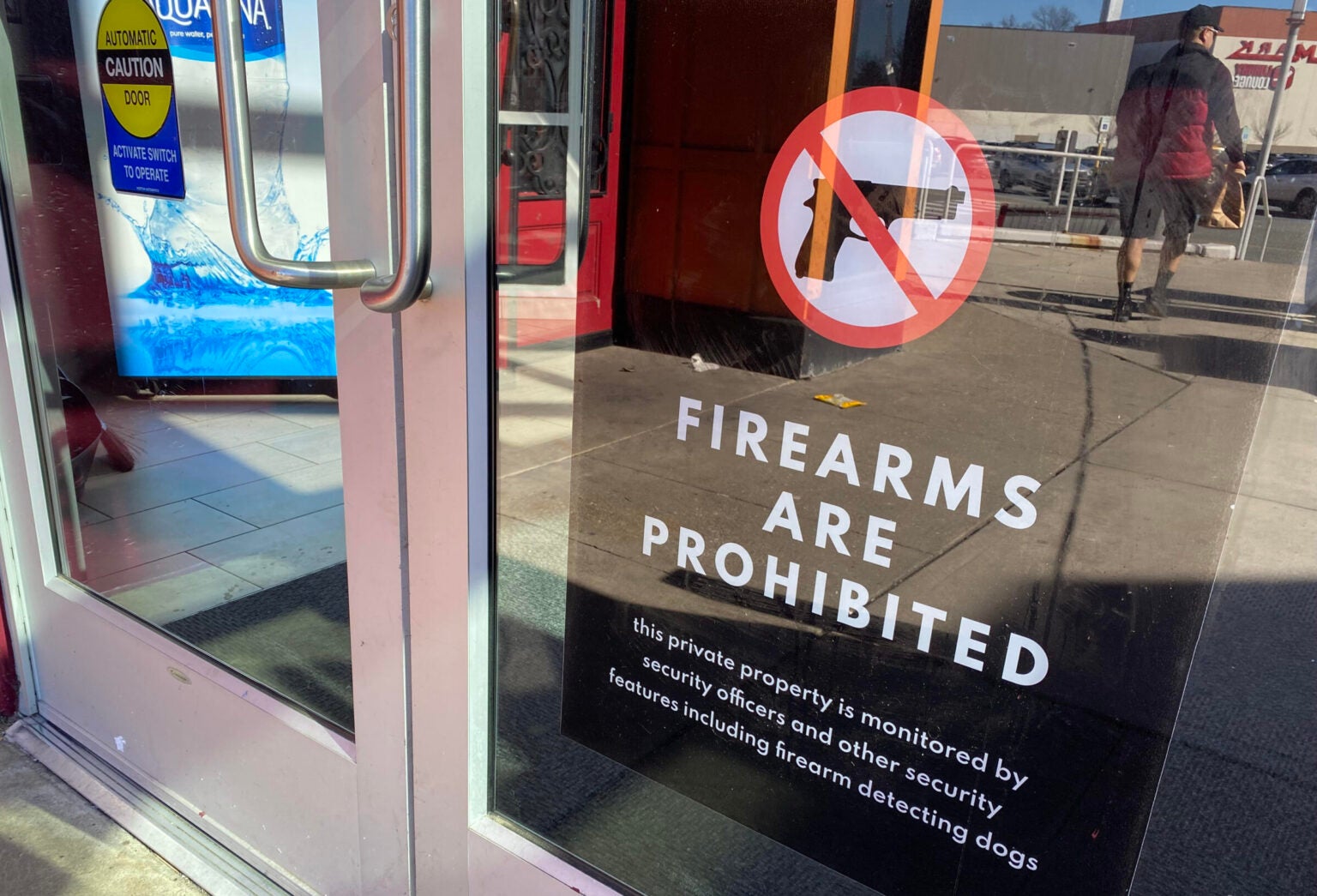
Licensed concealed carry holders in New York can now legally carry on private property open to the public unless owners post clear prohibitions. Property owners retain the right to ban firearms from their premises but must explicitly communicate this restriction. The burden shifts from requiring permission to requiring clear notice of prohibition. Gun owners still face restrictions in government buildings, schools, and other sensitive locations defined by state law. The ruling creates a patchwork of carry rules across New York as different businesses and property owners make individual decisions about firearm policies. Concealed carry holders must still check for posted signs and respect private property rights when clearly communicated.
Industry Impact
Gun stores and training facilities report increased interest in concealed carry licenses following the court decision. The ruling reduces liability concerns for businesses that previously worried about implied permission for concealed carry. Business associations must now provide guidance to members about posting clear firearm policies. Security companies expect increased demand for consultation services as businesses decide their stance on concealed carry. The decision may influence pending Second Amendment cases in other circuits facing similar constitutional challenges to carry restrictions. Legal observers expect New York to appeal the ruling to the Supreme Court, creating potential nationwide implications for concealed carry laws.
What to Watch Next
New York Attorney General Letitia James has 90 days to file an appeal to the Supreme Court. The state legislature may attempt to modify the law to address the court's constitutional concerns while maintaining some restrictions. Other states with similar presumptive ban laws face potential legal challenges based on this precedent. Gun rights organizations plan additional lawsuits targeting remaining provisions of New York's concealed carry law, including sensitive place designations. The Supreme Court may use this case to provide additional guidance on the scope of Bruen's historical standard for Second Amendment analysis.
DownRange Bottom Line: This ruling restores basic constitutional protections for New York gun owners while respecting private property rights. The vampire rule was an unconstitutional overreach that turned Second Amendment rights upside down.