Man Arrested for Illegally Distributing Dozens of Guns to Prohibited Persons in Central New York
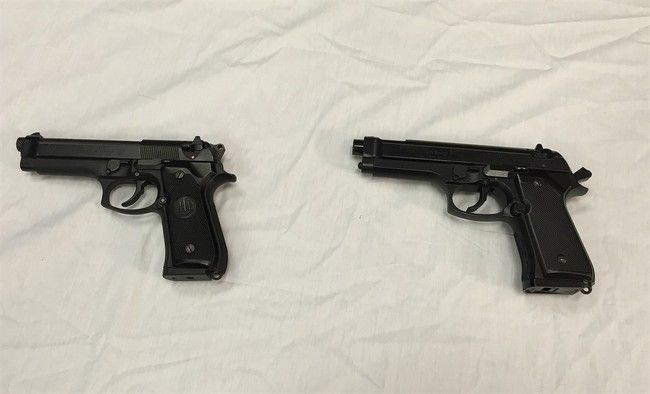
Onondaga County Sheriff's deputies arrested four people after discovering dozens of firearms in a Central New York residence. A man unlawfully gave weapons to three individuals prohibited from possessing guns under federal law. Deputies did not disclose the exact weapon count or the specific prohibitions affecting the three recipients. This is a straightforward straw purchase case—one person buying or transferring guns to someone barred from ownership. Federal law makes this a felony. The case underscores how enforcement still catches obvious violations, though prosecution timelines remain slow.
Background and Context
Straw purchases have been federal crimes since the Gun Control Act of 1968. The ATF actively investigates these cases, though resources vary by region. New York State also prohibits straw sales under its own laws, with penalties running concurrent to federal charges. Recent years saw increased attention to these cases following multiple high-profile investigations. Onondaga County, which includes Syracuse, sits in upstate New York where gun ownership is common but state restrictions remain strict. The sheriff's office did not release arrest dates or charging documents at the time of this report.
What This Means for Gun Owners
Gun owners need to understand the legal line here. You cannot give or sell firearms to someone you know is prohibited from possessing them. That's a felony. Prohibited persons include convicted felons, domestic abusers with restraining orders, adjudicated mentally ill individuals, and people subject to protective orders. New York adds its own restrictions on top of federal law. If you sell privately in New York without going through an FFL, you still cannot transfer to prohibited persons. The risk isn't theoretical—this case proves sheriffs are making arrests. Know who you're transferring to, or use an FFL.
Industry Impact
Licensed dealers in New York operate under constant scrutiny. FFLs must maintain detailed records and flag suspicious buyers. This case doesn't directly implicate dealers since the transfer was unlawful and likely private. However, it reinforces why dealers are required to refuse sales to prohibited persons and why Form 4473 questions exist. Manufacturers and distributors face no direct impact from this single case, but they track these enforcement actions as indicators of state-level enforcement priorities and political pressure.
What to Watch Next
The next steps depend on federal versus state prosecution. ATF could take the lead, which typically means longer investigations but heavier federal penalties. New York State could prosecute under state charges, which moves faster but with different penalties. Onondaga County District Attorney's office will determine charging strategy. Public court records should show arraignments within days of arrest. Federal charges, if filed, appear in U.S. District Court for the Northern District of New York. Watch for plea deals—most of these cases resolve without trial.
DownRange Bottom Line: This is basic enforcement of existing law working as intended. Don't transfer guns to prohibited people, period. If you're selling privately in New York, run the buyer's background yourself or use an FFL. The risk isn't worth it.