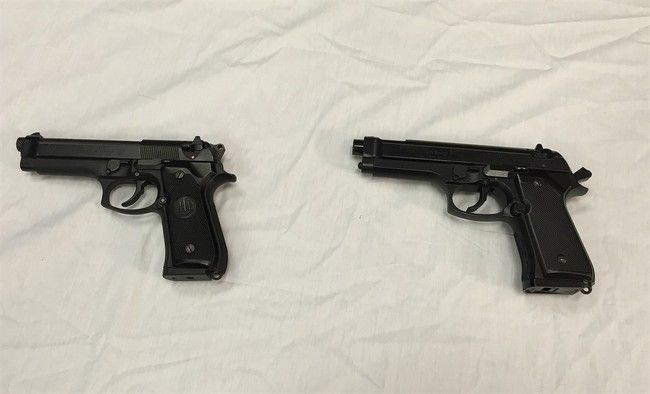
Philippines Recovers 102 Unregistered Guns in Lanao del Sur Disarmament Push
Philippine authorities seized 102 undocumented firearms from four towns in Lanao del Sur province under a disarmament program tied to the Bangsamoro Autonomous Region in Muslim Mindanao (BARMM) peace agreement. The operation targeted unregistered weapons circulating in areas affected by decades of conflict with the Moro Islamic Liberation Front (MILF). Authorities did not specify which four towns or the timeframe for recovery.
Key Details
Philippine law requires firearm registration and licensing for civilian ownership. The disarmament initiative operates under the 2014 Bangsamoro peace agreement between the government and MILF, which established frameworks for weapons collection in conflict regions. The 102 firearms represent loose weapons recovered during enforcement operations. Officials tied the initiative directly to reducing armed violence in historically unstable provinces. No details emerged regarding firearm types, serial numbers, or disposal methods.
Why It Matters for Gun Owners
This operation reflects how post-conflict nations implement civilian disarmament tied to peace agreements. U.S. gun owners should understand that registration systems in other countries create enforcement leverage authorities exploit during political transitions. The Philippines maintains strict licensing requirements—violations carry penalties including confiscation and criminal charges. American Second Amendment advocates have long warned that registration databases enable confiscation regardless of ownership legality at the time of registration. The Lanao del Sur recovery demonstrates government capacity to enforce firearm surrender even from previously tolerated holders.
DownRange Analysis
This disarmament push mirrors strategies used globally: register weapons, then leverage that data during policy shifts. The Philippines example shows how "loose firearms" language masks the reality that someone owned these guns, probably legally under previous frameworks. No American should assume registration creates a permanent legal shield. If Congress passes registration requirements, expect future administrations to use those records aggressively. The real lesson: carry your rights close and your registrations closer to the shredder. This won't happen here overnight, but incremental database expansion plus political will equals confiscation capability.
Source: visit the original article for complete details and additional reporting.