Kalashnikov's AK-203 Trades AK-103 Speed for Precision Shots
Kalashnikov Concern finished development of the AK-203, an accurized 7.62x39mm variant built specifically to hit targets at distance where the standard AK-103 struggles. Pakistan drove this project starting around 2017, refusing to accept combat-proven reliability as an excuse for poor accuracy.
The AK-103 has dominated military and civilian markets since the 1990s. It's the backbone of the AK-100 series and fires the same Soviet cartridge that feeds millions of rifles worldwide. Soldiers trust it. It runs wet, runs dry, runs dirty. But the Pakistani military wanted something different—a rifle that kept the platform's durability while hitting what shooters aimed at beyond typical engagement ranges.
Kalashnikov engineers faced a real engineering constraint. The AK platform was never designed around precision. Gas tube systems, loose tolerances, and fixed front sights all work against tight grouping. Tightening that up means risking the reliability that makes an AK an AK. The design brief was unforgiving: improve accuracy without sacrificing the legendary durability that keeps this rifle running when everything else fails.
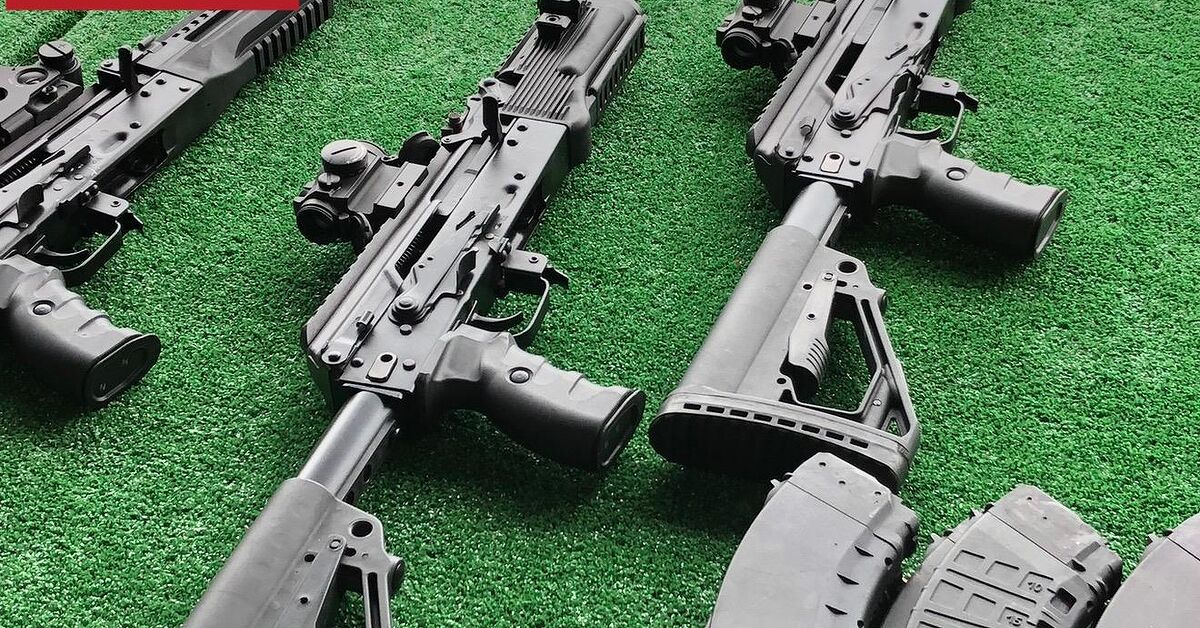
The AK-203 solves this through targeted modifications. Engineers redesigned the action to reduce bolt carrier play. The barrel received tighter tolerances and improved rifling. The trigger group got a cleaner break without looseness. These changes stack on top of the proven AK-103 design, keeping what works while removing slop that costs accuracy.
Sighting was overhauled too. The rifle ships with rail systems that hold zero through recoil and environmental changes. Optics mounts became integral rather than add-on accessories that introduce wobble. Shooters can now run modern optics without wondering if the setup will survive field conditions.
The magazine relationship stayed consistent with the AK-103 ecosystem. Standard 7.62x39mm mags feed the AK-203 without modification. Ammunition compatibility means existing stockpiles work immediately. That's important for military logistics and carrier upgrades.
What This Means for Gun Owners
The AK-203 demonstrates that precision and reliability don't have to be enemies. For decades, shooters chose between platforms. Want accuracy? Buy an AR or an accuracy-tuned bolt gun. Want durability? Buy an AK and accept 6-inch groups at 100 yards. The AK-203 erases that compromise.
Carriers who depend on AK-pattern rifles benefit here. If your rifle runs 7.62x39mm and you've accepted its accuracy limitations, an AK-203 upgrade path exists. Better grouping means better hits at defensive ranges. Better hits mean fewer shots needed to stop threats. That changes magazine count and reload discipline on every defensive scenario.
The market implications matter too. Kalashnikov proved that engineering can upgrade legendary designs without destroying their essence. Other manufacturers watch this. Competitors will either copy the accuracy improvements or lose market share to buyers who want both reliability and precision.
DownRange Analysis
Pakistan's military had a legitimate problem: a rifle platform proven in combat but proven also to miss targets consistently beyond 200 meters. Kalashnikov solved it the right way—through design iteration, not by abandoning the platform. The AK-203 stays recognizable as an AK-103. It feeds standard ammunition. It maintains that reputation for running when nothing else will.
That approach appeals to operators who trust their rifles. You don't ditch what works. You fix what breaks. The AK-203 fixes accuracy without breaking reliability. For carriers who've chosen the AK platform, that's significant. Your rifle just got better at its primary job.