Britain's SA80 Rifle: A $3 Billion Procurement Disaster Still Haunting NATO
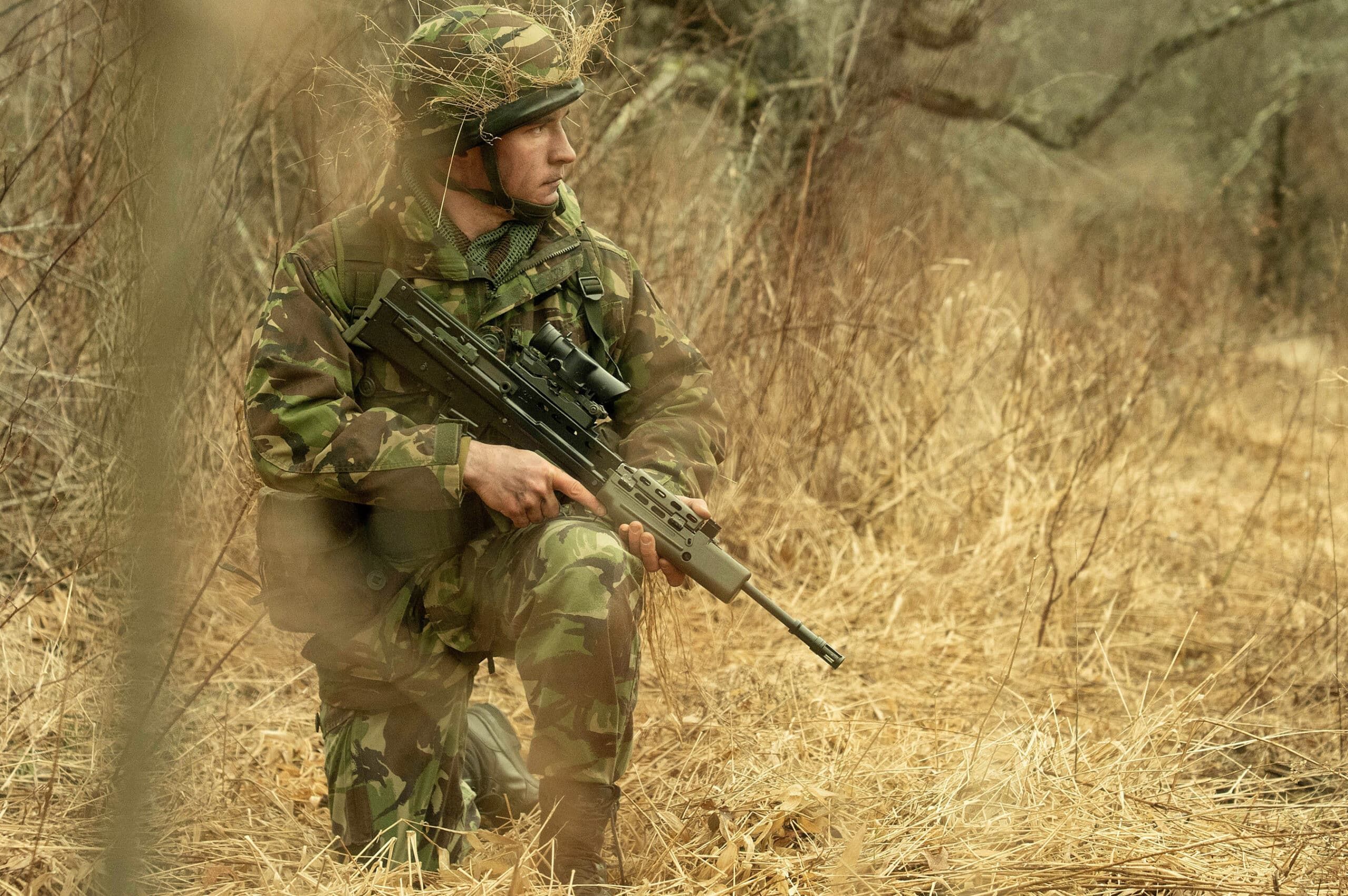
The SA80 represents the single most expensive military rifle procurement failure in modern history. Adopted by the British military in the 1980s, this bullpup-configured 5.56 NATO rifle cost billions of pounds and delivered a platform so unreliable that soldiers in combat zones refused to trust their lives to it. Decades later, the rifle still carries the stigma of one of defense procurement's worst decisions.
Key Details
The SA80 entered service in 1987 as the replacement for the SLR. Initial variants suffered catastrophic reliability problems in harsh environments. Soldiers reported failures during desert operations. The rifle required extensive redesigns through the 1990s and 2000s to achieve basic combat reliability. Even after modifications, the SA80 never gained confidence among troops who had access to superior alternatives. The British military finally began phasing it out in the 2010s, replacing it with the HK417 for specialized units and exploring further options. The total procurement and modification costs exceeded $3 billion—money that could have purchased proven platforms years earlier.
Why It Matters for Gun Owners
American gun owners rarely think about military procurement disasters, but the SA80 story matters. It demonstrates how government bureaucracies can waste enormous resources on inferior designs while ignoring proven alternatives. The lesson translates directly: rely on tested, proven platforms—not government-selected equipment. For civilians, this means buying rifles with proven track records from actual users, not just marketing claims. The SA80 scandal also shows why military standardization without real-world validation creates problems. Gun owners should demand transparency and independent testing before adopting any platform as a primary defensive tool.
DownRange Analysis
The SA80 failure exposes a brutal reality: institutions don't learn from mistakes; they bury them. Britain spent decades and billions propping up a failed design rather than admitting the error early. American gun owners should view this as a cautionary tale about government procurement and equipment selection. When choosing your carry gun or defensive rifle, you make a personal decision with real consequences—your life depends on it working. The military can afford to issue defective rifles for decades. You cannot. Buy platforms with documented reliability in hard use. Trust user reports over manufacturer specs. And never assume that because something carries official approval, it actually works.