Federal Prison Time for Cross-Border Reptile Smuggling Operation
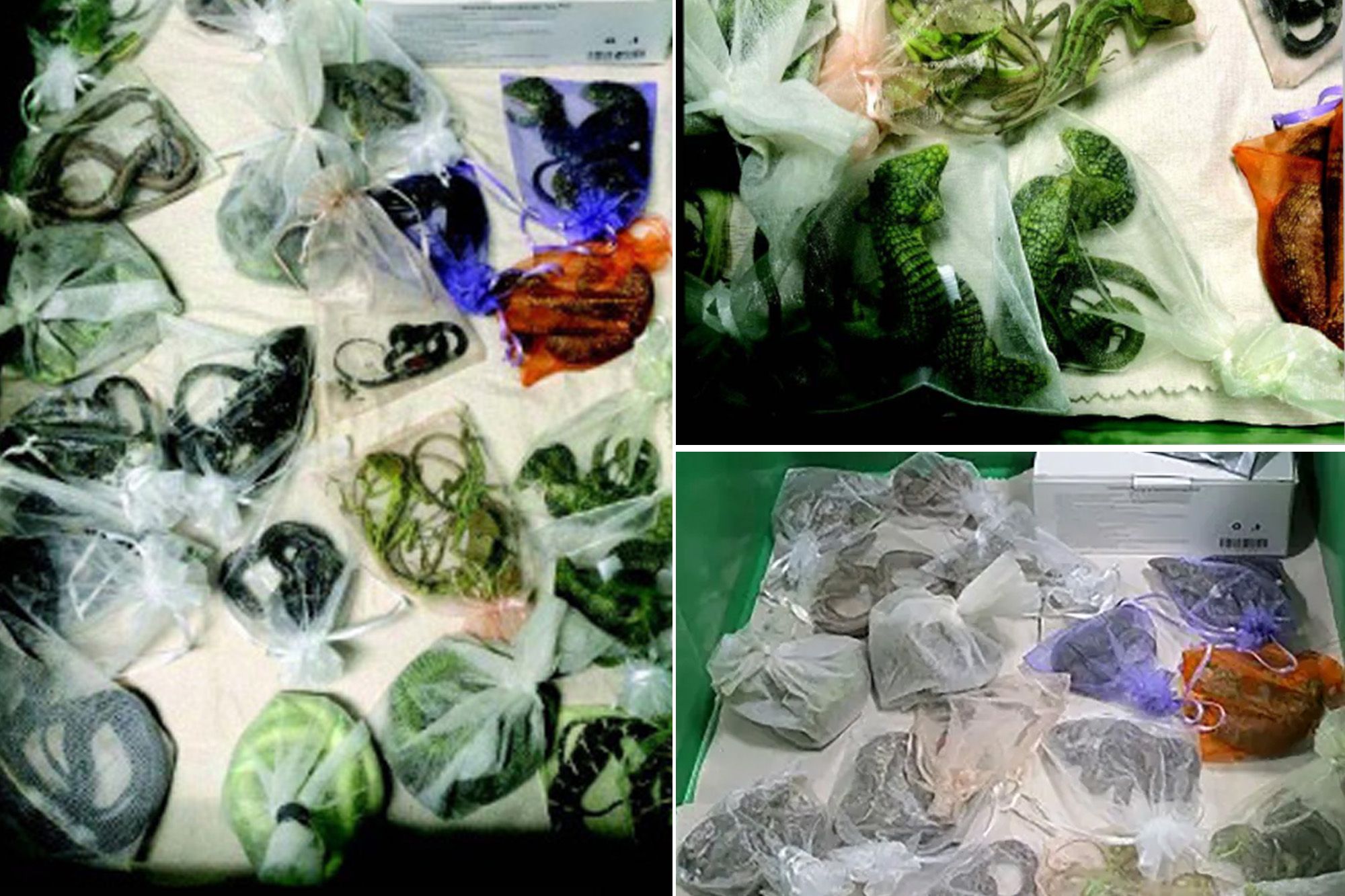
Jose Manuel Perez, 34, drew a five-year federal prison sentence for operating a years-long reptile smuggling ring. The operation moved thousands of live animals across the U.S. border from Mexico and China. Federal agents conducted raids on Perez's Southern California locations and seized the contraband animals during enforcement actions.
Key Details
- Perez ran the smuggling operation across multiple years before federal intervention.
- The ring moved live reptiles from both Mexico and China into the United States.
- Authorities seized approximately 1,700 reptiles during raids on his operation.
- Perez received a five-year federal prison sentence for his role in the smuggling conspiracy.
Why It Matters for Gun Owners
This case touches enforcement priorities at the southern border and federal agency resources. Wildlife trafficking prosecutions use the same border infrastructure and federal law enforcement networks that gun owners interact with at ports of entry and during travel. Border security funding, interdiction capacity, and federal prosecution bandwidth affect both smuggling cases and legal firearm transport across state lines. Gun owners who travel with firearms or ammunition should understand how federal agencies allocate resources and how border operations function. The case shows federal courts take cross-border smuggling seriously—the same courts handle firearm and ammunition charges with similar severity.
DownRange Analysis
Large-scale smuggling operations require sustained federal resources to investigate and prosecute. Perez's five-year sentence reflects how federal courts handle organized trafficking. For gun owners, the practical takeaway is clear: federal agencies pursue border violations aggressively, and the infrastructure that catches reptiles also monitors firearm movement across state lines. This matters if you transport firearms legally across borders or interstate—understand state and federal requirements before you travel. The case also illustrates that federal agencies maintain active border enforcement capacity, which affects how firearms and ammunition are screened during transport and inspection.