Virginia Prosecutors Refuse to Enforce State's Assault Weapons Ban
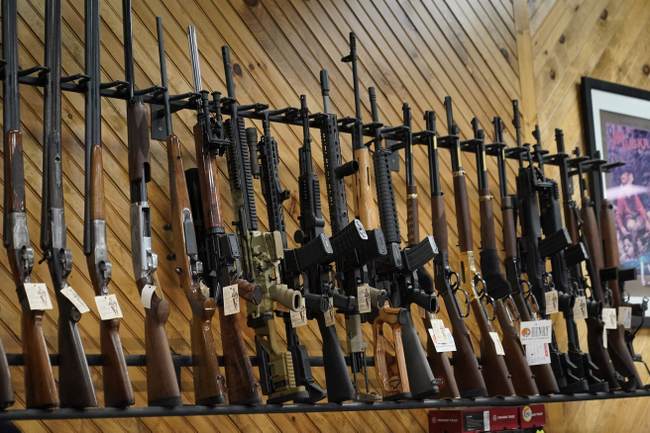
Prosecutors across Virginia have publicly stated they will not enforce the state's assault weapons ban, arguing the law violates the Second Amendment as interpreted by the U.S. Supreme Court in New York State Rifle & Pistol Association v. Bruen. The Citizens Committee for the Right to Keep and Bear Arms (CCRKBA) applauded the move, which undermines enforcement of one of the nation's strictest firearms regulations. Virginia's ban, enacted in 2020 under then-Governor Ralph Northam, prohibits the sale and possession of semi-automatic rifles defined as "assault weapons" and high-capacity magazines holding more than 12 rounds. The prosecutorial refusal signals a widening gap between state law and local enforcement discretion.
Background and Context
Virginia's assault weapons ban has faced legal challenges since its passage. The Bruen decision in 2022 rejected New York's "may issue" concealed carry licensing scheme and established that gun regulations must be consistent with historical tradition. Lower courts have applied Bruen to strike down similar bans in other states, including California's assault weapons law in federal court. Virginia's statute defines prohibited weapons by features—including pistol grips, folding stocks, and forward pistol grips—rather than by specific models, making compliance unclear for many gun owners. The state's political environment shifted significantly after last year's off-year elections, bringing in leadership more skeptical of strict gun control. Multiple Virginia sheriffs and prosecutors have signaled constitutional concerns about enforcement obligations.
What This Means for Gun Owners
Gun owners in Virginia now face significantly reduced enforcement risk for possessing banned firearms and magazines, though the law remains on the books. Prosecutors in multiple jurisdictions have publicly committed to declining cases, making criminal prosecution unlikely absent a dramatic political reversal. However, the law has not been repealed or officially invalidated by courts, leaving some legal uncertainty. Owners who purchased compliant firearms before the ban took effect, or who believe their weapons fall outside the statutory definition, face less scrutiny. The decision also affects sales: dealers and private sellers can operate with greater confidence that transactions won't trigger state prosecution, though federal law still applies. Virginia gun owners should not assume the law will disappear entirely; changing prosecutor leadership could shift enforcement priorities. The CCRKBA's support signals likely continued constitutional litigation challenging the ban directly.
Industry Impact
Virginia firearms retailers have operated under a cloud of legal uncertainty since 2020. Prosecutorial refusal to enforce the ban effectively permits business that would otherwise violate state law, though manufacturers still face no state-level production barriers. The Second Amendment Foundation and other groups have supported litigation challenging the statute's constitutionality. The National Rifle Association, while not directly mentioned in the CCRKBA statement, has historically opposed Virginia's ban. This prosecutorial stance reflects broader skepticism among law enforcement about enforcing gun laws deemed unconstitutional post-Bruen. Major retailers operating in Virginia can now stock and sell affected products with confidence prosecutors won't pursue cases, though legal risk remains non-zero if political winds shift again.
What to Watch Next
Monitor whether Virginia's Attorney General challenges or supports the prosecutorial positions. A direct court challenge to the assault weapons ban could reach the Fourth Circuit Court of Appeals, which includes Virginia. Watch for any legislative attempts to repeal or modify the ban, especially given the state's changed political composition. The CCRKBA and allied groups may file declaratory judgment actions seeking official invalidation rather than relying on prosecutorial discretion. Federal district court rulings in similar cases from other circuits will shape Virginia's legal landscape. Changes in local prosecutor elections over the next two years could alter enforcement posture. Track whether the governor's office issues guidance to state law enforcement on how to interpret prosecutorial non-enforcement.
DownRange Bottom Line: Virginia gun owners can operate with reduced fear of state prosecution, but this is enforcement discretion, not law change. Buy a good lawyer, document everything about your rifle's features, and keep track of which prosecutor has jurisdiction where you live. This situation is politically fragile—a single election could flip enforcement back on. Push your elected officials to formally repeal or enjoin the law rather than relying on prosecutorial goodwill.