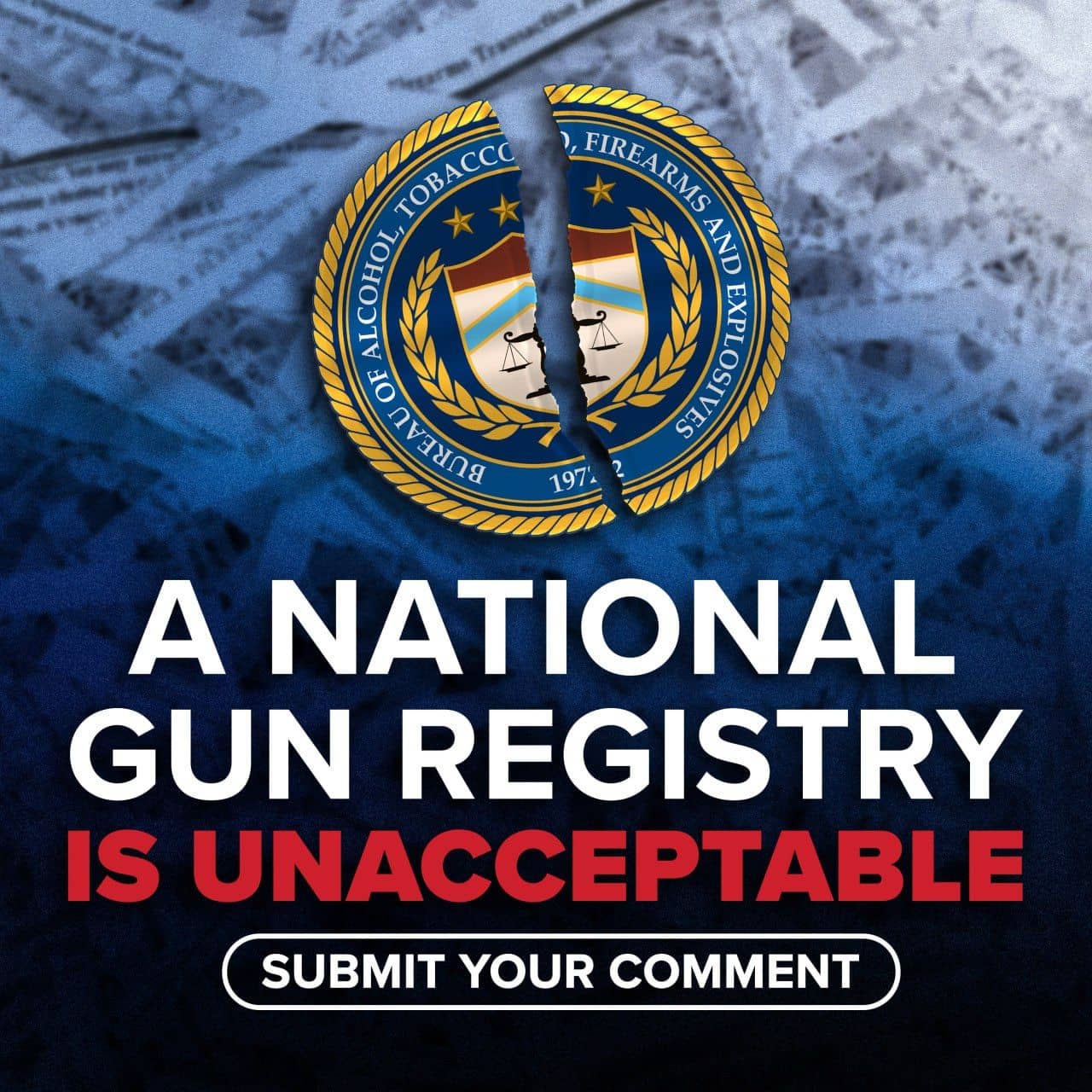
Comment Now To Stop the ATF's Illegal Registry!
The ATF wants to expand how long it keeps Form 4473 records from gun stores that close their doors. The proposed rule change appears in a package of 34 new ATF regulations currently open for public comment. Gun rights advocates say this creates an illegal federal firearms registry that violates existing law. The Firearm Owners Protection Act of 1986 specifically prohibits the federal government from maintaining a registry of firearms or gun owners. Gun Owners of America has called for immediate action to flood the ATF with comments opposing the registry expansion. The comment period remains open, giving gun owners a chance to formally object to the proposal.
Background and Context
Federal firearms licensees must complete Form 4473 for every gun sale. This form captures buyer information, firearm details, and background check results. When gun stores go out of business, they must transfer these records to the ATF. Current law requires the ATF to maintain these records but prohibits creating a searchable database. The new proposal would extend retention periods and expand digital storage capabilities. Congress passed the Firearm Owners Protection Act in 1986 after concerns about ATF overreach. Section 926(a) states no department or agency may require registration of firearms or gun owners. The ATF already maintains over 900 million firearm transaction records at its facility in West Virginia.
What This Means for Gun Owners
The expanded record retention creates a de facto gun registry despite legal prohibitions. Every firearm purchase generates a permanent government record linking guns to specific owners. This information could support future confiscation efforts or registration mandates. The ATF has already digitized millions of records, making searches faster and more efficient. Gun owners face increased surveillance of their Second Amendment activities. Private sales between individuals remain untracked, but dealer purchases create permanent government files. The proposal lacks clear destruction timelines, meaning records could remain indefinitely. Gun rights groups argue this violates both the letter and spirit of federal law prohibiting registries.
Industry Impact
Gun dealers already struggle with complex ATF recordkeeping requirements. The new rules add administrative burden without improving public safety. Dealers must digitize more records and maintain them longer before transferring to ATF. Small gun shops face higher compliance costs that could force closures. More store closures mean more records flowing to the federal government. The gun industry opposes expanding federal data collection on lawful commerce. Manufacturers worry about chilling effects on consumer purchases. Trade associations are mobilizing members to submit comments against the proposal. Legal challenges appear likely if the ATF finalizes these rules.
What to Watch Next
The comment period for these rules closes soon, making immediate action critical. Gun owners should submit individual comments opposing the registry expansion. Congressional Republicans may introduce legislation blocking the new rules. Court challenges could follow if the ATF ignores public opposition. State attorneys general from pro-gun states might file federal lawsuits. The Supreme Court's recent Second Amendment decisions could impact any legal challenges. Gun rights organizations are preparing comprehensive legal responses. November elections could change the political landscape for these regulations. New leadership might withdraw or modify the proposed rules entirely.
DownRange Bottom Line: The ATF is building an illegal gun registry while pretending it's just recordkeeping. Gun owners must flood the comment system now to stop this constitutional violation. This registry serves no legitimate law enforcement purpose and violates clear congressional intent.