Maryland's Glock Ban Signals Coordinated State-Level Attack on 2A
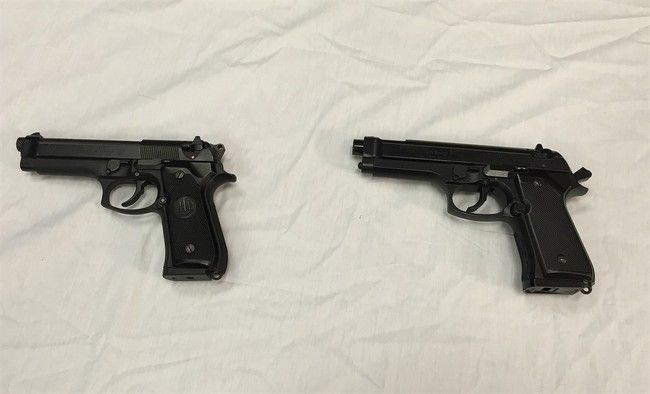
Maryland enacted a statewide ban on Glock pistols and functionally similar firearms in 2026, creating a legislative model that Democratic-controlled states are actively studying for replication. The measure targets specific firearm models by name and design characteristics, bypassing federal assault-weapon definitions to criminalize handguns commonly used for self-defense and sport shooting. Gun owners in Maryland now face felony charges for possession of banned models, marking an escalation beyond magazine restrictions and permitting schemes implemented over the past decade.
Key Details
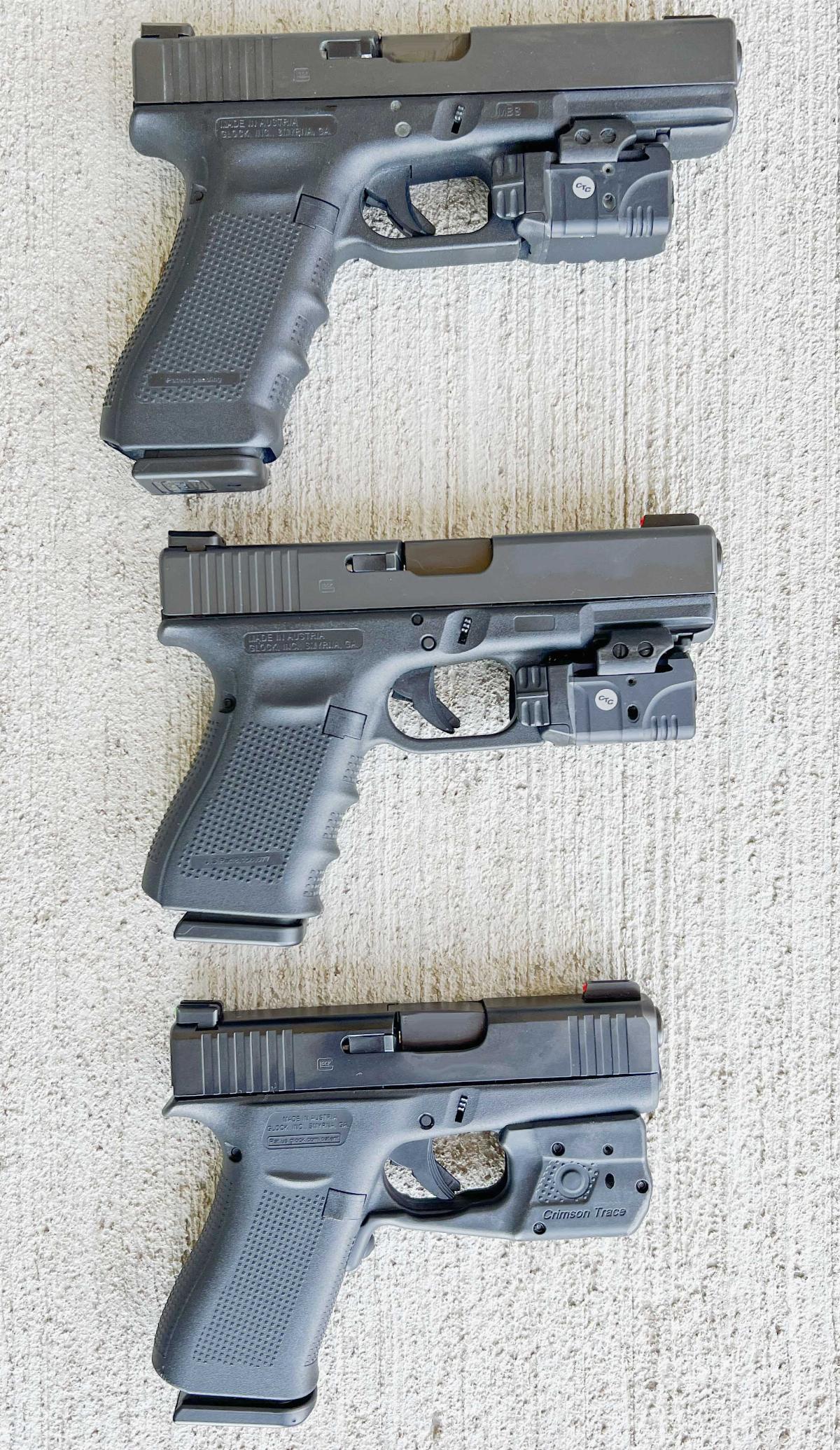
The Maryland law names Glock pistols explicitly and bans firearms meeting certain ergonomic and operational criteria. Possession constitutes a felony under state statute. Proponents framed the ban as a public-safety measure targeting "ghost guns" and untraceable weapons, though the law applies to serialized, lawful firearms. Democratic legislators in other states—including California, New York, and Illinois—have begun drafting similar language, treating Maryland's framework as a proven legislative pathway. No federal court has yet ruled on whether such state-level handgun bans survive New York State Rifle & Pistol Association v. Bruen.
Why It Matters for Gun Owners
If Maryland's template spreads, gun owners in Blue states face rapid erosion of firearm choices in the next 18 months. Glock models represent approximately 25 percent of handguns in civilian circulation—removing them from legal ownership forces purchase of alternative platforms or relocation. States like California and New York have sufficient legislative majorities to pass identical bans without obstruction. Gun owners in these jurisdictions should immediately verify whether their current carry or home-defense firearms match banned specifications. Those unwilling to surrender weapons face three options: permanent out-of-state relocation, moving firearms to free states, or potential prosecution. Competitive shooters and law-enforcement trainers using Glock platforms need alternative solutions documented now.
DownRange Analysis
Bruen created a two-step test: restrictions must align with historical tradition and pass means-to-end scrutiny. Maryland's ban fails both. No historical precedent supports banning specific pistol models by name in peacetime America. The ban also lacks empirical connection to public safety—Glocks are overrepresented in lawful self-defense scenarios, not crime. Federal courts should strike this down on 14th Amendment grounds. However, litigation takes years, and Democratic states are betting on survival through appellate delay while normalizing handgun confiscation rhetoric. Gun owners should expect this pattern in 2026-2028: ban, litigation, appeal, repeat in next state. Manufacturers must challenge these bans immediately in federal court, not in state systems designed to obstruct appeals. Waiting for Supreme Court clarity costs ownership rights in real time.