Maine and South Carolina Republicans Pick Senate Nominees — Here's What Gun Owners Need
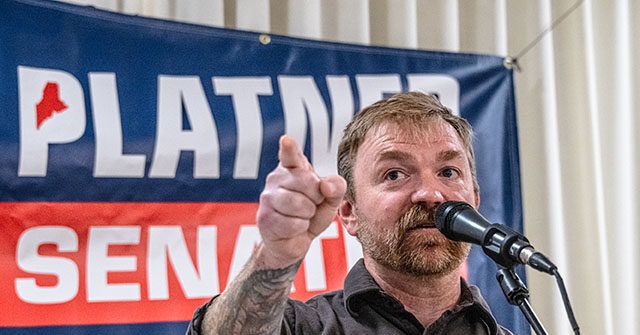
Tuesday's primary elections across multiple states will determine which Republicans and Democrats advance to November's general elections. Maine and South Carolina's Senate contests command the most attention from gun rights advocates watching how Second Amendment positions shape these races.
Both states feature frontrunners positioned to secure their party's nominations. Senate contests in these battleground regions typically hinge on candidates' stances regarding constitutional carry, magazine restrictions, and federal firearms regulations.
Why Gun Owners Are Watching These Primaries
Senate composition directly affects firearms policy at the federal level. A single vote can determine whether the next ATF director faces confirmation hearings or whether proposed magazine bans advance through committee.
Maine has emerged as a swing state where gun rights messaging resonates with rural voters while facing pressure from urban anti-gun coalitions. South Carolina remains a Republican stronghold where Second Amendment positions typically align with party orthodoxy, but primary contests still force candidates to differentiate on gun ownership rights and constitutional interpretation.
Both states' eventual nominees will face general election opponents in competitive races. Gun owners must evaluate how each candidate's Second Amendment record translates to actual legislative behavior.
What's at Stake in November
Senate seats directly impact Supreme Court confirmation votes. Recent decisions on state carry laws and federal firearms restrictions prove how Senate composition determines constitutional outcomes for gun owners nationwide.
Federal firearms regulations proposed by the Biden administration require Senate confirmation or passage through both chambers. A single seat can block or advance restrictions on ammunition purchases, firearm sales to young adults, and red flag law implementations across state lines.
Maine voters historically split their votes between parties. The state's Senate contest could determine whether anti-gun legislation receives a critical vote. South Carolina's seat appears safer for Republicans, but primary results signal which candidate best mobilizes the gun-owning electorate for November turnout.
DownRange Analysis
These primaries matter because gun owners often overlook Senate races despite their direct impact on national firearms policy. A candidate's Second Amendment rhetoric during primaries frequently shifts toward moderation in general elections.
Smart gun owners research voting records on constitutional carry bills, magazine restrictions, and universal background check opposition before primary day. Committee assignments matter. A senator on the Judiciary Committee shapes federal court nominations affecting gun rights litigation for decades.
Maine and South Carolina Republicans should expect questions from voters about their positions on permitless carry, federal ammunition tracking, and state preemption laws preventing cities from enacting stricter regulations than state law allows.
The general election will showcase how Senate candidates balance rural gun owner support against urban anti-gun voter mobilization. Turnout among gun-owning voters directly correlates with electoral success in these states.
Gun owners cannot treat Senate races as afterthoughts. These elections determine which bills reach the floor for votes, which judicial nominations advance, and whether pro-gun majorities can withstand executive branch overreach through federal agencies like the ATF.
Watch Tuesday's results carefully. The frontrunners who emerge will likely face the general election as favorites—and their Second Amendment records from primary campaigns will define the policy landscape for gun owners through 2026 and beyond.