FPC, NRA, SAF Challenge Maryland's Glock Ban in Federal Court
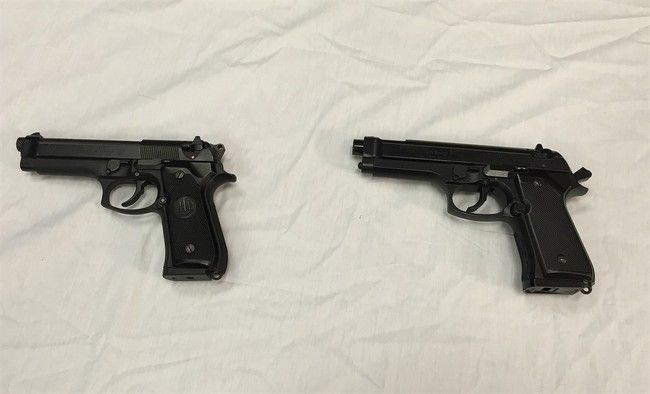
The Firearms Policy Coalition, National Rifle Association, and Second Amendment Foundation filed a federal lawsuit against Maryland on May 27, 2026, challenging the state's ban on Glock pistols and other commonly owned handguns. The suit targets Maryland's handgun roster system, which effectively prohibits manufacturers from selling thousands of pistol models—including most Glock variants—within the state. The plaintiff organizations argue the ban violates the Second Amendment as interpreted in District of Columbia v. Heller and New York State Rifle & Pistol Association v. Bruen. The lawsuit names Maryland State Police Superintendent Colonel Woodrow Jones III and other state officials as defendants.
Background and Context
Maryland's handgun roster requirement, codified in state law, mandates that all handguns sold in the state meet specific safety and design criteria set by the state police. The roster has been weaponized to block new handguns from the market—no new models have been approved since 2013. Glock, Smith & Wesson, Sig Sauer, and Springfield Armory models dominate the banned list, leaving Maryland residents with a shrinking pool of legally available options. Since Bruen in 2022, which held that gun regulations must be consistent with historical tradition and not rely solely on public safety rationales, several courts have struck down similar restrictions. California's handgun roster faces ongoing challenges, and courts have increasingly rejected the argument that a state can ban entire categories of commonly owned firearms through administrative means rather than democratic legislation.
What This Means for Gun Owners
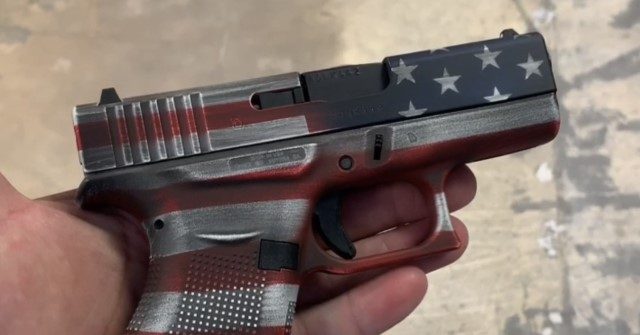
Maryland residents currently cannot purchase new Glock pistols or dozens of other popular handgun models, though existing guns can be retained. The lawsuit seeks to overturn this ban entirely, which would immediately restore access to thousands of firearm models for Maryland buyers. If successful, the case could set precedent for challenging similar roster systems in California and other states. Gun owners in Maryland have a direct financial and practical interest: popular models like the Glock 19, 17, and 43X would become legally available for purchase, with pricing competitive to surrounding states. The suit also challenges the constitutionality of using administrative agency rules rather than legislation to restrict access to arms—a distinction central to Bruen analysis.
Industry Impact
Glock Inc., Smith & Wesson, Sig Sauer, and Springfield Armory stand to gain immediate access to the Maryland market if the ban is overturned, representing lost sales revenue estimated in the tens of millions over the past decade. The NRA and SAF have prioritized this litigation as part of a broader strategy to eliminate state-level handgun rosters. The FPC, known for aggressive Second Amendment litigation, has won cases against magazine bans and other restrictions. Maryland retailers have been disadvantaged against neighboring states, and a successful ruling would allow them to stock and sell modern handguns currently prohibited. Gun manufacturers view this case as critical—victory would demolish one of the last remaining pre-Bruen regulatory frameworks still in effect.
What to Watch Next
The lawsuit will be filed in the U.S. District Court for the District of Maryland. The state will likely move to dismiss based on abstention or standing arguments; this motion will be the first major test. Discovery and briefing on the Second Amendment merits should begin in summer 2026. The case could reach the Fourth Circuit Court of Appeals, which covers Maryland, and the Fourth Circuit has shown willingness to apply Bruen strictly. A decision on the merits is unlikely before late 2026 or 2027. Watch for separate litigation from California handgun manufacturers and advocacy groups—a Maryland victory would immediately pressure California's similar roster system in court.
DownRange Bottom Line: This lawsuit has a strong legal foundation post-Bruen and addresses an administratively-created ban that no legislature voted for. Maryland's handgun roster is an obvious target for Second Amendment challenge. Gun owners should monitor this case closely—if the courts apply Bruen honestly, Maryland's ban falls, and pressure cascades onto California's system next.