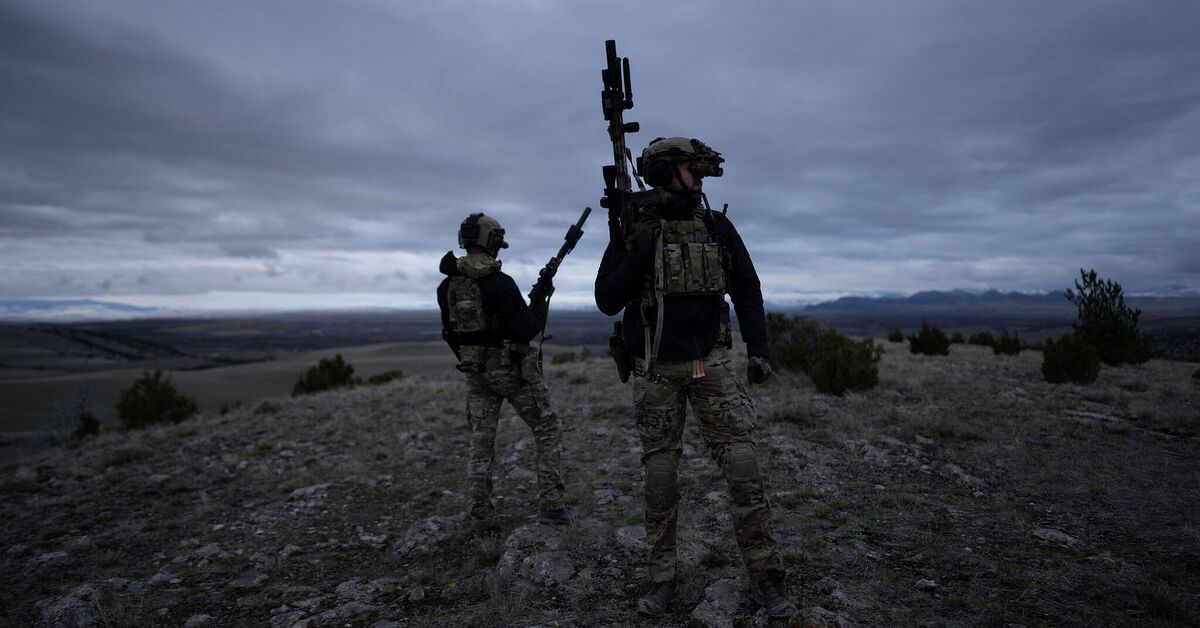
Galvion's CORTEX EVO Puts Processing Inside the Helmet Shell
Galvion is debuting the CORTEX EVO at SOF Week 2026 in Tampa, Florida next month. This matters because they've moved the entire electrical and computing architecture from external mounting into the helmet structure itself. Last year at the same event, Galvion introduced the original CORTEX platform. The EVO takes that foundation and integrates power distribution, data connectivity, and processing directly into the composite shell. No external battery packs dangling off rails. No separate interface boxes zip-tied to your helmet. It's all built in.
Background and Context
Galvion has been pushing integrated helmet electronics for years. The original CORTEX debut in 2025 at SOF Week showed what modular helmet systems could do. But external integration always leaves room for improvement—more cable runs, more failure points, more weight concentrated in the wrong spots. Competitors like Team Wendy and Ops-Core have also worked integration angles, but each approach has tradeoffs. Galvion's move here is straightforward: embed the architecture. It's not revolutionary thinking, but it's how you actually make these systems reliable for field work. SOF Week, held annually in Tampa, is where serious operators and equipment makers meet to show what actually works versus what sounds good in a briefing.
What This Means for Gun Owners
Most civilians won't touch this system. CORTEX EVO is built for military and professional operators who can justify the cost and complexity. But here's what matters: when integrated helmet systems work reliably for that tier, the technology trickles down. You'll see better interfaces, more stable power delivery, cleaner cable management in civilian-grade helmets within 3-5 years. If you're running a plate carrier and helmet setup for serious training or home defense, watch how CORTEX EVO performs in the field. Reliability data from operator feedback drives the next generation of consumer gear. This system will be tested hard by people who shoot for real.
Industry Impact
Galvion manufactures ballistic helmets and integrated systems. This move pressures competitors to match integrated architecture rather than bolting electronics onto existing designs. Team Wendy, Ops-Core, and others will have to decide: redesign shell tooling or accept being behind the integration curve. Manufacturers of helmet-mounted optics, communications systems, and power distribution gear will need to adapt interfaces to work with shells that don't have external rail real estate. For distributors and retailers, this means education work. Explaining integrated systems to buyers is harder than selling a helmet with a separately mounted light. That's a real business friction point.
What to Watch Next
SOF Week 2026 runs in Tampa in February. Watch for live demos and operator feedback. Galvion will push hard on reliability data and weight savings compared to modular external systems. Look for announcements on pricing, production timeline, and compatibility with existing CORTEX components. Any other helmet manufacturers debuting integrated systems at the same event? That'll tell you if this is a trend or Galvion playing catch-up to their own architecture. Field reports from early adopters will hit forums and YouTube channels within 6 months after launch. That's where the real engineering story emerges.
DownRange Bottom Line: This is how professional gear actually evolves—slower than marketing wants, faster than most people expect. CORTEX EVO isn't flashy, but built-in integration beats bolted-on systems every time. If you're serious about helmet setup for serious use, this platform is worth tracking.