Gun Owners of America Files Emergency Action to Block Virginia Ban Before January 2025
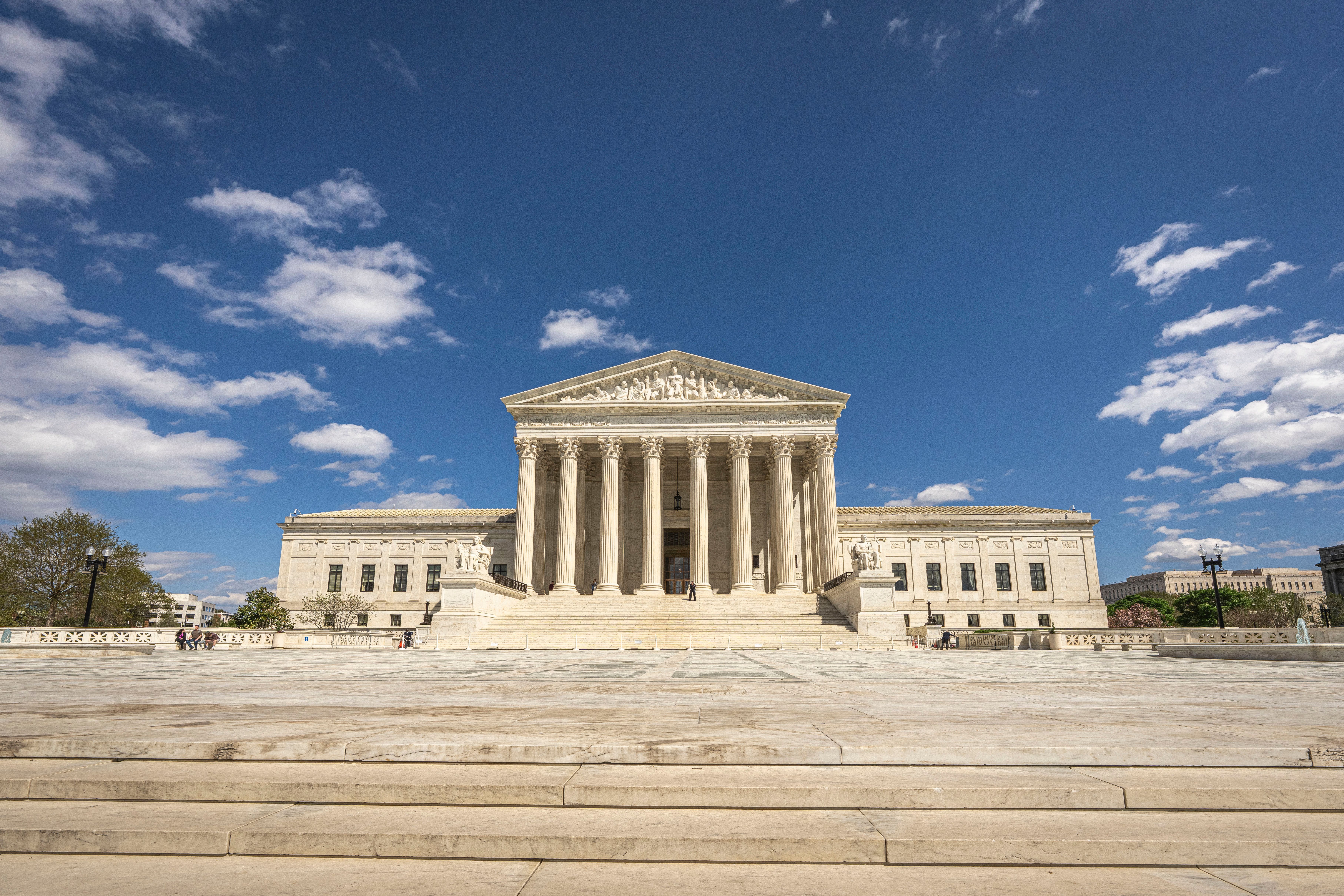
Gun Owners of America (GOA) and Gun Owners Foundation (GOF) petitioned the Virginia Supreme Court for emergency relief to block the state's incoming "assault firearms" ban. The law takes effect January 1, 2025. GOA seeks a preliminary ruling that would halt enforcement immediately while the full constitutional challenge proceeds through courts.
The emergency petition targets Virginia Code § 18.2-308.8:1, which bans semi-automatic rifles, shotguns, and pistols matching specific features. The statute classifies AR-15s, AK-pattern rifles, and most modern sporting rifles as prohibited "assault firearms." Owners face felony charges—up to 5 years in prison—for possession after the effective date.
GOA argues the law violates the Second Amendment as clarified by the Supreme Court's 2022 Bruen decision. That ruling requires firearms regulations to align with historical tradition. Virginia's sweeping ban targets weapons in common use for lawful self-defense and sport shooting, GOA contends.
Why It Matters for Gun Owners
A preliminary ruling blocking the ban would protect Virginia gun owners from immediate felony prosecution. Without court intervention, law-abiding citizens face two choices: surrender legally owned firearms or commit unintentional felonies by January 1st.
The timing is critical. Virginia's Democratic legislature passed the measure during the 2024 session. Governor Glenn Youngkin vetoed it, but the legislature overrode his veto with the required supermajority in March 2024. The ban moves forward despite executive opposition.
GOA's strategy targets the preliminary ruling because full litigation takes years. A temporary injunction would pause enforcement while constitutional arguments develop. This protects Second Amendment rights during the legal process rather than forcing compliance first.
Virginia gun owners should note the specific affected firearms. The ban covers semi-automatic rifles with any two features from this list: folding stock, pistol grip, thumbhole stock, grenade/flare launcher, flash suppressor, or magazine over 10 rounds. Nearly all modern AR-15 configurations fall under this definition. Similar standards apply to shotguns and semi-automatic pistols.
The ruling could establish precedent for other states considering similar bans. California, New York, and Connecticut face legal challenges to their assault weapon restrictions. Virginia's case directly tests whether Bruen requires states to prove historical precedent for modern firearm bans.
Background on Virginia's Ban and Previous Court Actions
Virginia enacted its assault firearms ban following Democratic gains in 2019 elections. The legislature passed similar measures in 2020, but Youngkin's 2022 election victory halted enforcement. His veto of the 2024 version indicated executive disagreement with the ban's scope.
The legislative override forced the issue back to courts. GOA immediately challenged the ban in federal district court on Second Amendment grounds. The preliminary ruling petition represents an acceleration strategy—asking the Virginia Supreme Court to address the constitutional question before January 1st deadline.
Previous challenges to similar bans in other states show mixed results. Federal courts upheld California's assault weapon restrictions pre-Bruen. Post-Bruen challenges are ongoing. Virginia's case tests whether the Supreme Court's emphasis on historical tradition defeats modern feature-based bans.
DownRange Bottom Line
Virginia gun owners face a January 1, 2025 deadline with significant legal jeopardy. GOA's emergency petition is the fastest path to protecting Second Amendment rights during litigation. A favorable preliminary ruling would prevent felony charges while courts address the constitutional merits.
The outcome affects every gun owner in states considering similar legislation. Watch the Virginia Supreme Court's response. If rejected, GOA will pursue federal court intervention. Either way, this case directly tests Second Amendment protections post-Bruen against state governments moving aggressively against modern firearms.