Colorado Bans Semi-Automatic Rifles and Standard Magazines, Establishing Blueprint for National Restrictions
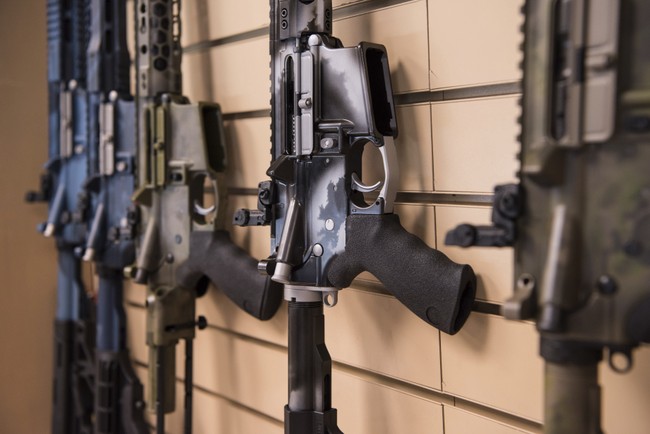
Colorado's legislature passed a sweeping ban on semi-automatic rifles and standard capacity magazines during the 2026 session, cementing the state's position as one of the nation's most restrictive firearms jurisdictions. The law targets what lawmakers classify as assault weapons—a category that captures the vast majority of modern sporting rifles legally owned by millions of Americans. The measure also restricts magazine capacity below the federal standard established in common use. Gun rights organizations argue the law's broad language and vague definitions provide a template that anti-gun legislatures in other states and potentially Congress could copy to restrict firearms nationwide.
Background and Context
Colorado has steadily tightened gun restrictions since 2013, when it became one of the first states to ban magazines holding more than 15 rounds. The state followed with universal background check requirements and red flag laws. This 2026 measure represents a categorical leap—banning entire classes of firearms rather than specific features or capacity limits. The ban directly challenges the Supreme Court's 2022 New York State Rifle & Pistol Association v. Bruen decision, which held that gun regulations must be consistent with the nation's historical tradition of firearm regulation. Colorado's expansive definition of prohibited rifles encompasses models commonly used for lawful purposes including self-defense, sport shooting, and hunting, contrary to the Bruen standard. Legal scholars note the law contains the same vague language that proved fatal to similar restrictions in other jurisdictions, creating uncertainty about which firearms and accessories actually fall under the ban.
What This Means for Gun Owners
Colorado residents now face criminal liability for possessing semi-automatic rifles and magazines above the restricted capacity. Existing owners face a narrow window to sell, remove, or surrender their firearms—details subject to implementation by state agencies. The law creates immediate compliance problems: firearm manufacturers and retailers must understand which models Colorado considers banned, and residents cannot legally transfer prohibited firearms to family members or sell them in-state. Out-of-state gun owners transiting Colorado face potential charges if they carry commonly owned rifles. The law does not grandfather existing possession under clear terms, leaving current owners in legal limbo. Gun owners in neighboring states like Wyoming and New Mexico can expect increased enforcement scrutiny at state borders. Second Amendment advocates argue the vague language means prosecutors will interpret the ban broadly, potentially capturing firearms the legislature did not explicitly intend to restrict.
Industry Impact
Colorado firearms retailers face severe market disruption. Legal sales of affected rifles and magazines cease immediately, eliminating a significant revenue stream for gun shops statewide. Major manufacturers including Smith & Wesson, Daniel Defense, and Ruger must halt distribution into Colorado, affecting their quarterly results. The National Rifle Association and Second Amendment Foundation have already announced legal challenges, arguing the ban violates Bruen. The Firearms Policy Coalition filed suit within days of passage. These groups contend the ban lacks historical grounding and sweeps in firearms in common use—precisely what Bruen prohibits. Industry observers note Colorado's action signals that state legislatures will test federal court boundaries aggressively, regardless of recent Supreme Court precedent. Ammunition manufacturers face uncertainty about whether restricted magazines affect ammunition sales.
What to Watch Next
Federal court challenges will dominate the legal landscape. The Firearms Policy Coalition and NRA cases will likely reach the Tenth Circuit Court of Appeals, which covers Colorado. Oral arguments typically occur within 12-18 months of filing. Gun owners should monitor docket activity in U.S. District Court for the District of Colorado—Judge židel Morrison or Judge Philip Brimmer may oversee initial proceedings. A temporary restraining order or preliminary injunction could pause enforcement while courts decide the constitutional question. The state will argue its law passes Bruen scrutiny based on historical regulations, while challengers will emphasize that semi-automatic rifles were unknown at the nation's founding, making historical comparison impossible. The outcome will influence whether other states pass similar bans. If Colorado prevails, expect similar legislation in Washington, California, New York, and Illinois within months.
DownRange Bottom Line: Colorado's ban is a direct constitutional challenge to Bruen, and gun owners nationwide should pay attention. The state is betting federal courts will permit bans on common firearms despite the Supreme Court's clear language. If Colorado wins in court, the Second Amendment loses everywhere—because every state legislature will copy this model. Support the legal challenges through NRA, FPC, or SAF. If you own affected rifles or magazines and live in Colorado, consult an attorney immediately about compliance options. This fight determines whether Americans retain the right to own the most popular rifles in the country.