Drug Trade Drives Surge in Armed Police Responses
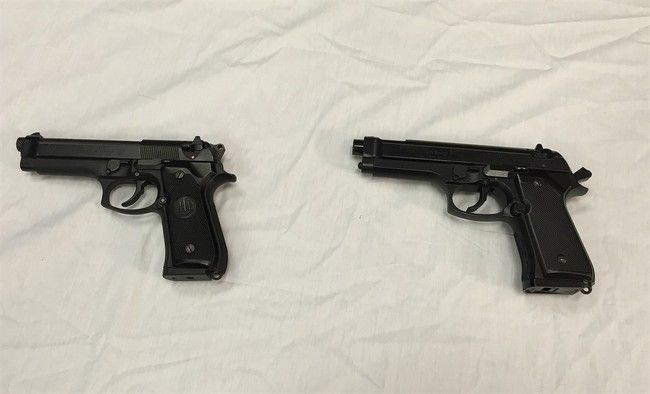
Sault Ste. Marie Police Service is responding to significantly more firearm-related calls than in previous periods. The department attributes this increase directly to escalating illicit drug activity operating within their jurisdiction. Officers now deploy armed responses more frequently across routine calls for service throughout the city.
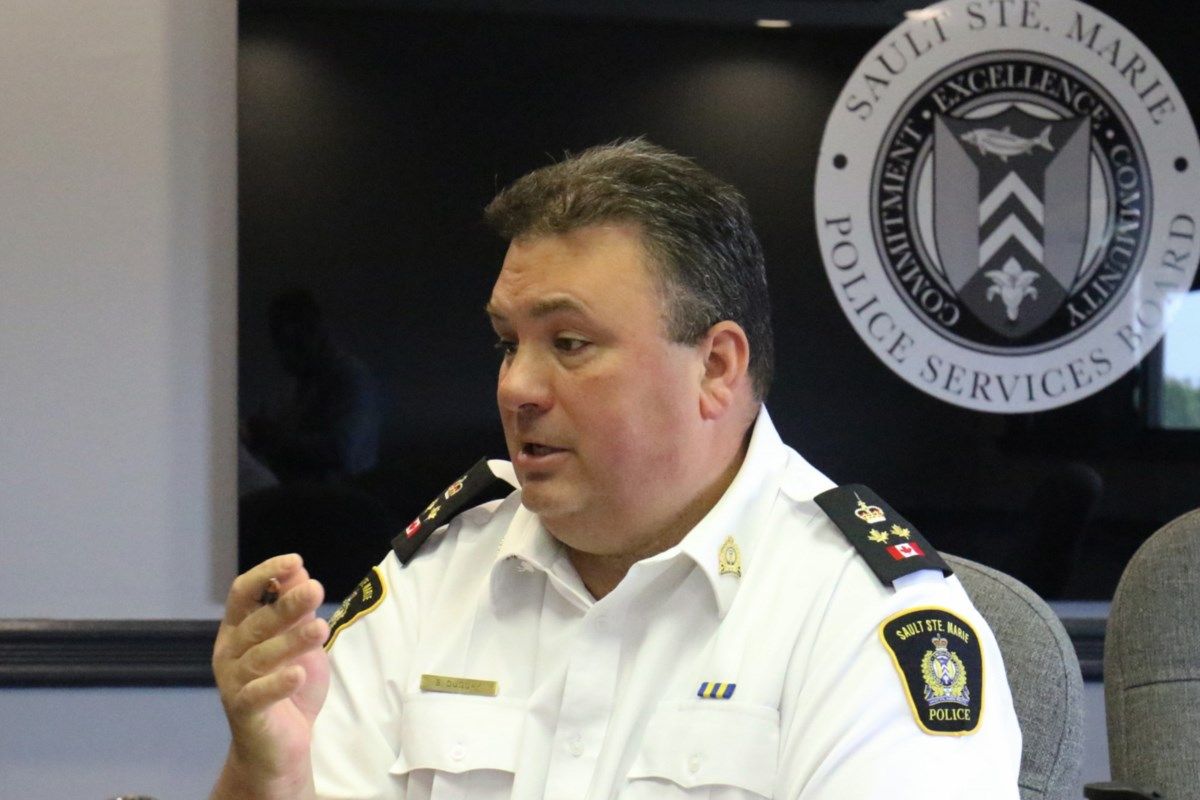
Police Chief leadership has identified the criminal drug trade as the primary catalyst for rising gun violence in the area. The connection between narcotics distribution networks and armed confrontations remains consistent across Canadian enforcement agencies.
What's Driving the Increase
Drug trafficking operations inherently involve weapons. Criminal organizations use firearms to protect territory, enforce agreements, and settle disputes. When police respond to drug-related calls—whether investigating dealers, executing warrants, or responding to complaints from affected neighborhoods—officers encounter armed suspects at higher rates.
This reality forces law enforcement to treat more calls as potential armed encounters. Officers cannot predict which drug-related dispatch will involve an armed individual. The result: increased tactical deployments, longer response times, and greater operational complexity for uniformed personnel.
The situation reflects patterns seen across North America. Where drug trade activity concentrates, firearm prevalence follows. Police departments operating in these environments must maintain readiness for armed contact during calls that might otherwise be routine.
Why Gun Owners Should Pay Attention
This situation illustrates critical principles for armed citizens. First, understanding local crime patterns matters. A spike in drug-related gun violence signals environmental danger. Concealed carry holders should reassess their situational awareness, route selection, and response protocols accordingly.
Second, the data proves drug prohibition creates armed conflict. When valuable commodities become illegal, criminal organizations protect them with violence. This fundamental reality affects civilians carrying daily far more than it affects police with dispatch information and backup availability.
Third, the type of violence matters. Drug-trade shootings typically occur in known areas—neighborhoods with active dealing, specific bars, certain street corners. Avoiding these locations remains one of the most effective self-defense strategies available.
DownRange Analysis
Sault Ste. Marie's experience demonstrates how policy and criminal markets intersect with civilian safety. Police responding to more gun calls doesn't mean more gun owners exercising rights—it means more criminals employing force to protect illegal enterprises.
Armed citizens should note the distinction. The violence spike correlates with drug trade activity, not with lawful firearm ownership or concealed carry expansion. This matters for understanding actual threat environments versus political rhetoric about guns.
For daily carriers, the practical takeaway: Know your area's current crime patterns. If a jurisdiction reports escalating drug-related gun violence, adjust your situational awareness accordingly. Maintain distance from known problem areas. Stay alert during evening hours and in commercial zones where drug activity concentrates.
Police departments in high-violence environments are undertaking appropriate precautions by arming responses to drug-related calls. Armed citizens should apply the same tactical thinking to their personal security planning. Understanding what drives violence in your jurisdiction—not just that violence exists—allows for intelligent risk mitigation.
The Sault Ste. Marie Police Service is accurately diagnosing the problem. Now their community, including armed citizens, must respond with appropriate vigilance.