GOA Backs First Hughes Amendment Repeal Bid Since 1986
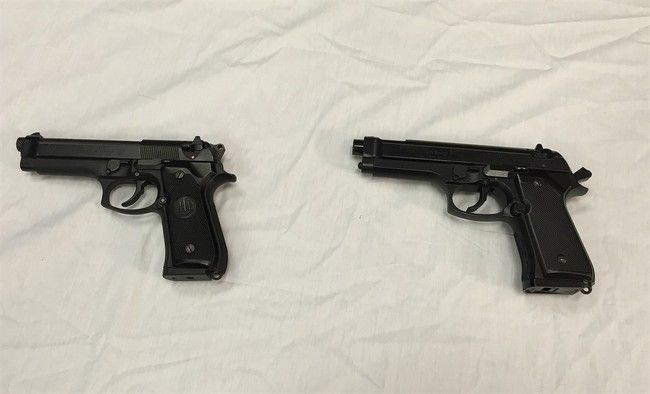
Gun Owners of America is pushing legislation to overturn the 1986 Hughes Amendment—the first serious repeal effort in four decades. The amendment froze the civilian machine gun registry, blocking Americans born after 1986 from legally owning newly manufactured full-auto firearms. GOA's move marks a tactical shift: major gun rights groups are now fighting for rights beyond concealed carry and shall-issue laws.
Paxton Over Cornyn Signals New GOP Pressure
GOA endorsed Ken Paxton over John Cornyn in Texas's 2024 Senate Republican primary. Cornyn, a three-term incumbent, has consistently voted to maintain Hughes Amendment restrictions. The organization's willingness to primary a sitting Republican signals that compromise on machine gun ownership is no longer acceptable to hardline Second Amendment advocates. This represents pressure on GOP lawmakers to move beyond incremental wins.
The Hughes Amendment survived every legislative challenge for 38 years. It was tacked onto the 1986 Firearm Owners Protection Act (also called the Volkmer-McClure Act) without a floor vote—inserted by anti-gun Rep. William Hughes of New Jersey. The amendment's passage in voice vote remains controversial among gun owners who argue it was procedurally forced through Congress.
Current civilian legal options for full-auto firearms are limited to pre-1986 registered weapons. These transferable machine guns cost $8,000 to $50,000+ depending on caliber and model. A tax stamp costs $200 and requires FBI background checks, fingerprinting, and chief law enforcement sign-off. For most gun owners, legal machine gun ownership is financially impossible and administratively burdensome.
Why This Matters for Daily Carriers
Machine gun ownership remains a fringe issue for most shooters. Concealed carry expansion and constitutional carry have given armed citizens practical improvements over the past two decades. But GOA's repeal push highlights a philosophical divide within the gun rights movement.
Conservative gun groups historically focused on defensive carry rights—the immediate, measurable protection for lawful citizens. GOA and allied organizations argue the Second Amendment protects machine guns without qualification. Repealing Hughes means civilians could own any firearm a soldier carries, not just semi-automatic versions.
The political reality favors status quo. Democrats oppose any Hughes repeal. Moderate Republicans fear primary challenges for supporting it, but lack political cover for voting yes. Democrats control the Senate, making passage impossible regardless of GOP votes.
DownRange Analysis
GOA's strategy exposes real tension in gun rights advocacy. The organization correctly identifies that Hughes represents an indefensible arbitrary restriction—why should 1985 machine guns be legal but 1987 models illegal? The logic fails constitutional scrutiny under modern Second Amendment jurisprudence.
But primary challenges against Cornyn won't move Hughes repeal forward. Cornyn will likely win reelection regardless. GOA's real goal appears to be forcing GOP lawmakers on record: either support full Second Amendment restoration or face primary opposition. That's viable pressure.
For carry permit holders, this debate feels academic. A repealed Hughes Amendment changes nothing about your daily carry decisions. But it signals that gun rights organizations are no longer satisfied with incremental wins. They're demanding rollback of restrictions passed decades ago.
Whether Hughes repeal ever happens depends on future Senate control and Supreme Court guidance. Until then, expect more primary challenges against Republicans who won't vote to lift it.