Missouri Conservation Department Locks Public Ranges Behind New Permit Wall
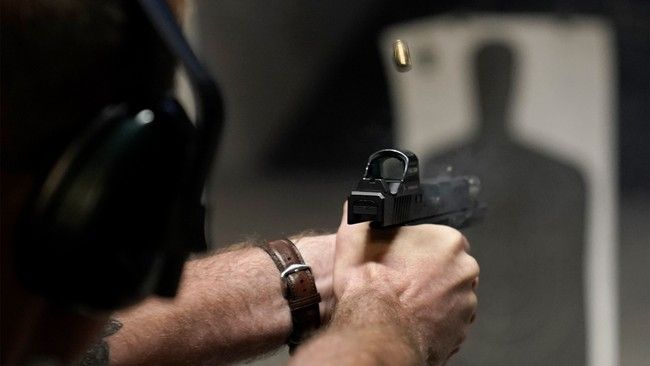
Missouri's Department of Conservation is moving toward a policy that would require gun owners to obtain permits before accessing state-operated shooting ranges. The exact number of affected ranges remains unclear, but the move would effectively shut out residents without private land from public shooting access.
The Permit Requirement Takes Shape
The department hasn't released final details on permit costs, application timelines, or eligibility standards. Gun owners currently use these public ranges without special authorization. Under the proposed policy, that changes entirely—shooting becomes a gatekept activity dependent on bureaucratic approval.
No official timeline exists for implementation. The department is still in the consideration phase, meaning Missouri gun owners have a window to respond before this becomes policy. Public comment periods typically precede final rule adoption, though the department hasn't announced when that window opens.
Who Gets Squeezed
Urban and suburban gun owners face the heaviest impact. These shooters lack access to private land where they could practice without state permission. Rural owners with acreage can still shoot on their own property—they're largely unaffected. The policy effectively creates a two-tier shooting access system based on real estate ownership.
New shooters and those testing different firearms before purchase lose convenient options. Training classes and defensive shooting practice become administratively complicated. Young hunters scouting ranges before season opens face additional barriers.
The Larger Pattern
This isn't an isolated move. State fish-and-game agencies across the country have increasingly restricted shooting access over the past decade. Some cite environmental concerns. Others blame liability fears. Many simply want to manage public land without oversight from gun owners.
Missouri's move fits a pattern where government agencies quietly tighten shooting access without formal legislation—avoiding democratic debate. Permits provide cover for denials. Agencies can reject applications for vague reasons: "insufficient justification," "community concerns," or simply losing paperwork in bureaucratic limbo.
Why This Matters Now
Shooting skills deteriorate without practice. Gun owners who can't access ranges become less proficient. That affects safety and defensive capability. For hunters, lost practice time means reduced accuracy when it counts.
Permit systems also create data collection opportunities. Authorities gain lists of shooters and their usage patterns. This information flows into broader surveillance databases. Missouri gun owners should understand they're not just facing inconvenience—they're trading privacy for range access.
The economic angle matters too. Gun ranges operate on thin margins. Public ranges provide critical infrastructure. Remove them, and commercial ranges capture market demand. Permit systems can artificially suppress range usage, justifying eventual closures based on "low demand."
DownRange Analysis
Missouri gun owners need to act before permits become policy. Contact the Department of Conservation directly. Attend public comment hearings. Make clear that shooting is a lawful activity deserving unrestricted access on public land. Don't assume elected officials will stop this—they typically stay silent during agency rule changes.
The precedent matters beyond Missouri. If one state successfully locks ranges behind permits, others follow. Incremental access restrictions add up. Today it's a permit. Tomorrow it's proof of insurance. Next year it's a training certificate valid only if approved by state-selected instructors.
Missouri's gun owners have tools to fight this: public comment, media pressure, and legislative pushback. Using them now prevents years of fighting entrenched bureaucracy later.