Patronis Bill Would Repeal Hughes Amendment and Legalize New Machine Gun Ownership
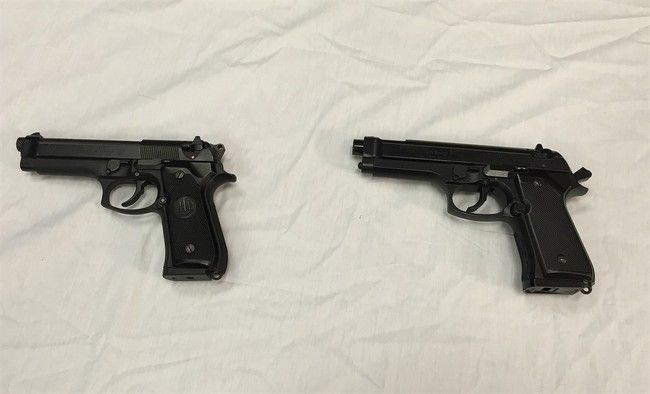
Rep. Anthony Patronis (R-FL) introduced legislation that would repeal the Hughes Amendment and let civilians buy post-1986 machine guns. The bill keeps the National Firearms Act registration system intact but removes the supply freeze that's locked civilians out of new automatic weapons for 38 years. This is the first real legislative attempt on this issue since 1986. If passed, someone could legally walk into a dealer and purchase a newly manufactured M16 or similar platform with proper NFA paperwork and tax stamp. The practical impact: pre-1986 machine guns cost $10,000 to $50,000 because supply is frozen. New production could bring prices down significantly and open the market entirely.
Background and Context
The Hughes Amendment passed May 19, 1986, as part of the Firearm Owners Protection Act. It banned civilian possession of any machine gun manufactured after that date. Pre-1986 registered transferable machine guns became a finite commodity—and prices exploded. A dealer-sample M16 or M4 that cost $800 new now sells for $20,000-plus. Gun owners have pushed for repeal for decades. The National Shooting Sports Foundation, major manufacturers, and 2A organizations have all discussed the ban's economic and rights implications. No previous Hughes repeal bill gained serious traction in Congress until now. Patronis chairs the House Republican Leadership Committee, giving this bill more weight than typical long-shot proposals.
What This Means for Gun Owners
If Patronis's bill passes, you could legally purchase a newly manufactured machine gun through an FFL. You'd still need to complete NFA Form 4 paperwork, pass a background check, pay the $200 tax stamp, and wait for ATF approval—same as suppressors or short-barreled rifles. The cost would drop dramatically from pre-1986 levels. Shooters with pre-1986 transferables wouldn't be affected—their guns remain legal. New options would open across all 50 states except those with state-level machine gun bans (like California, New York, New Jersey). This matters most to Class 3 dealers, competitive shooters, and people who want legal automatic platforms without paying $15,000-plus premiums for 40-year-old guns.
Industry Impact
Manufacturers including FN America, Colt Defense, and others could resume civilian automatic weapons production. Class 3 dealers would gain significant new inventory to stock and transfer. Pre-1986 machine gun values would likely drop—not collapse, but noticeably—since new supply would exist. Class 3 licensing is expensive and heavily regulated, so only serious operations would enter the market. Small dealers probably won't bother. Large distributors and law enforcement supply companies might add civilian automatic transfers as a sideline. Parts manufacturers and gunsmiths wouldn't see major changes since the mechanical work stays the same.
What to Watch Next
The bill needs committee assignment and a sponsor push to gain cosponsors. Without movement from House leadership, it stalls. Watch for statements from the National Rifle Association and Gun Owners of America on whether they'll actively support repeal. Republican leadership support matters—this isn't a priority bill unless leadership makes it one. If the bill gains 50+ cosponsors, it becomes a real threat to the anti-gun lobby. The ATF would need to issue new guidance on post-1986 transferable registration if Congress passes this. Senate passage would be the real test; anti-gun Democrats control any filibuster scenarios in a 50-50 Senate.
DownRange Bottom Line: Repeal is long overdue, but don't expect this bill to pass Congress anytime soon. The Hughes Amendment is bad policy that punishes law-abiding shooters with artificial scarcity pricing. Support it publicly and tell your representatives you back Patronis's bill—legislative pressure moves votes.