Former VP Draws Line on Federal Settlements for Rioters
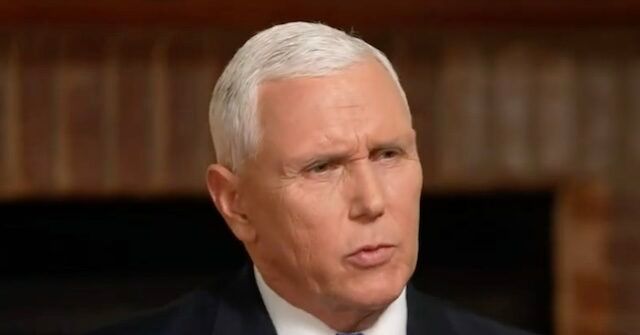
Mike Pence stated flatly on HBO that anyone who assaulted law enforcement or destroyed federal property on January 6, 2021, should receive no taxpayer-funded settlements. His position directly contradicts settlement negotiations that have surfaced since the Capitol riot.
The Settlement Problem
Years after the January 6 event, discussions about federal compensation for rioters have gained traction in certain legal and political circles. Pence rejected this approach entirely. He drew distinctions between protesters and those who committed violent acts or property damage.
The distinction matters. Hundreds of people faced charges related to the Capitol breach. Many pleaded guilty to assault on federal officers. Others were convicted of property destruction. The question of whether any participants deserve compensation has become a legitimate policy debate.
Pence's position aligns with law enforcement groups who oppose payouts to individuals convicted of attacking officers. Capitol Police officers sustained injuries that day. Some continue dealing with trauma-related effects.
Why Gun Owners Should Pay Attention
This debate sits at the intersection of federal spending, law enforcement support, and political accountability. Gun owners who prioritize backing police—a common position in the firearms community—should understand what settlements would mean for officers and their families.
The Capitol Police Foundation reported injuries to 140 officers during the breach. Nineteen officers suffered serious injuries requiring hospitalization. Compensation to those who attacked them sends a message about how America treats those who defend federal buildings and personnel.
Second Amendment advocates often emphasize the importance of law and order. They've criticized anti-police movements and pushed back against defunding proposals. This settlement question tests that principle when the victims are law enforcement.
The Broader Context
Pence's statement addresses a specific scenario: federal money going to rioters convicted of assaulting officers. His HBO appearance came as settlement talks continued in various legal venues. Some rioters have sought compensation for injuries sustained during their own activities that day.
The former vice president was present during the Capitol breach. He presided over the Electoral College certification while rioters moved through the building. His firsthand experience informed his strong position on the compensation question.
Congress members and their staff were evacuated that day. Officers erected barricades and barriers. The breach lasted hours. Video evidence documented assaults on uniformed personnel.
DownRange Analysis
Pence's clear stance reflects a principle most gun owners understand: actions have consequences. Assaulting an officer, federal or otherwise, creates liability. It shouldn't generate taxpayer compensation.
The settlement discussions signal that someone believes a different approach is justified. Pence disagreed. His position provides political cover for lawmakers who oppose similar payouts. It also sends a signal to law enforcement that accountability for officer assault remains a prosecutable offense without offsetting compensation schemes.
For the firearms community, this matters because it reinforces that defending the police isn't negotiable—even when those police are investigating a politically divisive event. The principle that officers deserve protection from assault and shouldn't see their attackers rewarded transcends partisan lines.
Source: Original reporting