Chinese State Manufacturer Floods Global Market With Glock 17 Clone
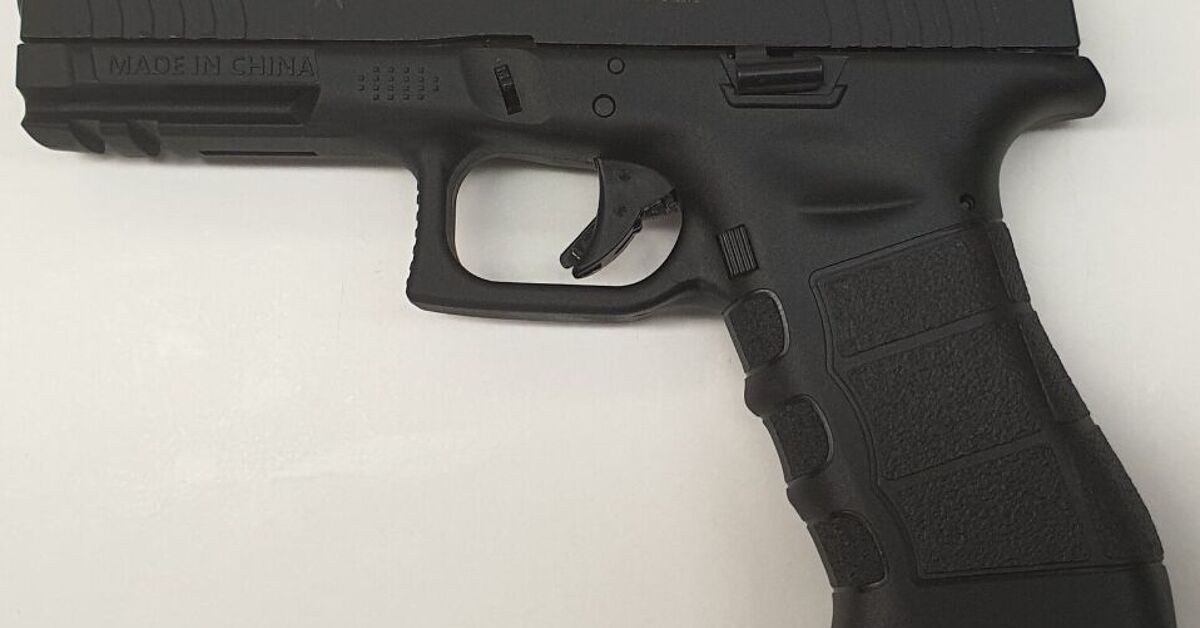
China's state-owned Norinco has released the NP7A—a polymer pistol that replicates Glock 17 geometry, ergonomics, and internal design at a fraction of OEM pricing. The clone operates on identical principles to the world's most widely adopted duty pistol and directly challenges Glock's market dominance through aggressive pricing.
Mechanical Similarities Run Deep
The NP7A mirrors the Glock 17's core architecture. Internal components, trigger mechanism, and frame geometry follow Glock's established platform. Users familiar with Glock operation will experience zero learning curve with the NP7A. Magazine compatibility remains a question pending independent testing, though Norinco's reverse-engineering suggests functional interchangeability.
Norinco positioned this entry-level polymer pistol for shooters seeking Glock-pattern reliability without premium pricing. The manufacturer's state backing provides manufacturing scale unavailable to most competitors.
Price Gap Creates Market Pressure
A Glock 17 retails between $550-$650 in most U.S. markets. Early NP7A pricing undercuts this significantly—initial wholesale costs suggest street prices potentially 40-50% below Glock's standard retail. This pricing structure targets budget-conscious shooters, first-time gun owners, and international markets with limited purchasing power.
The economics matter. Norinco operates under Chinese government subsidies and manufacturing costs reflect labor rates and materials sourcing unavailable to Western manufacturers. Glock cannot match this pricing without surrendering profit margins.
Implications for American Gun Owners
Import restrictions complicate direct U.S. sales. Chinese state-owned firearms face tariffs, regulatory scrutiny, and potential trade barriers. However, international distribution networks and licensed importers may eventually channel NP7As into civilian markets, particularly in states with fewer firearm restrictions.
For everyday carriers, this creates options. Budget shooters gain access to proven Glock 17 geometry without dealer markup. Training costs remain unchanged—identical controls mean zero relearning required. Used Glock prices may face downward pressure if NP7As achieve market penetration.
Holster and accessory compatibility becomes critical. Standard Glock 17 holsters, magazine carriers, and tactical gear fit the NP7A without modification. This ecosystem advantage benefits shooters already invested in Glock infrastructure.
Quality and Reliability Questions Remain
Reverse-engineering doesn't guarantee Glock's quality control standards. Glock spends decades refining tolerances, metallurgy, and manufacturing processes. Norinco's production likely meets basic functionality standards—Chinese military adoption suggests acceptable reliability—but long-term durability data doesn't exist.
Independent testing should verify: rounds-to-failure thresholds, parts durability under sustained fire, trigger consistency, and frame integrity. Glock's legendary reputation stems from proven performance across millions of rounds and multiple decades.
DownRange Analysis
The NP7A represents market economics in action. Glock built an ecosystem worth protecting. Affordable clones don't diminish that value—they expand it. Shooters who can't afford $600 pistols gain entry to proven geometry. Glock maintains premium positioning through reputation and reliability warranty.
For carriers evaluating budget secondaries or range guns, the NP7A deserves scrutiny. Identical controls reduce training burden. Proven Glock design reduces mechanical risk. Price reduction improves accessibility.
Import legality remains the actual barrier, not manufacturing capability. Watch regulatory developments closely. Chinese firearms imports face political headwinds unlikely to clear soon.
Source: Norinco press release and international firearms reporting