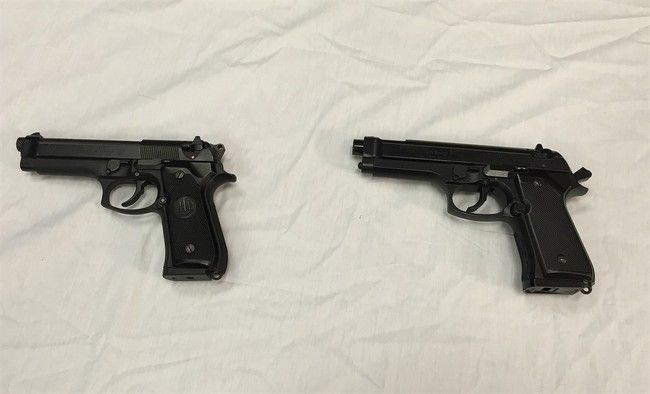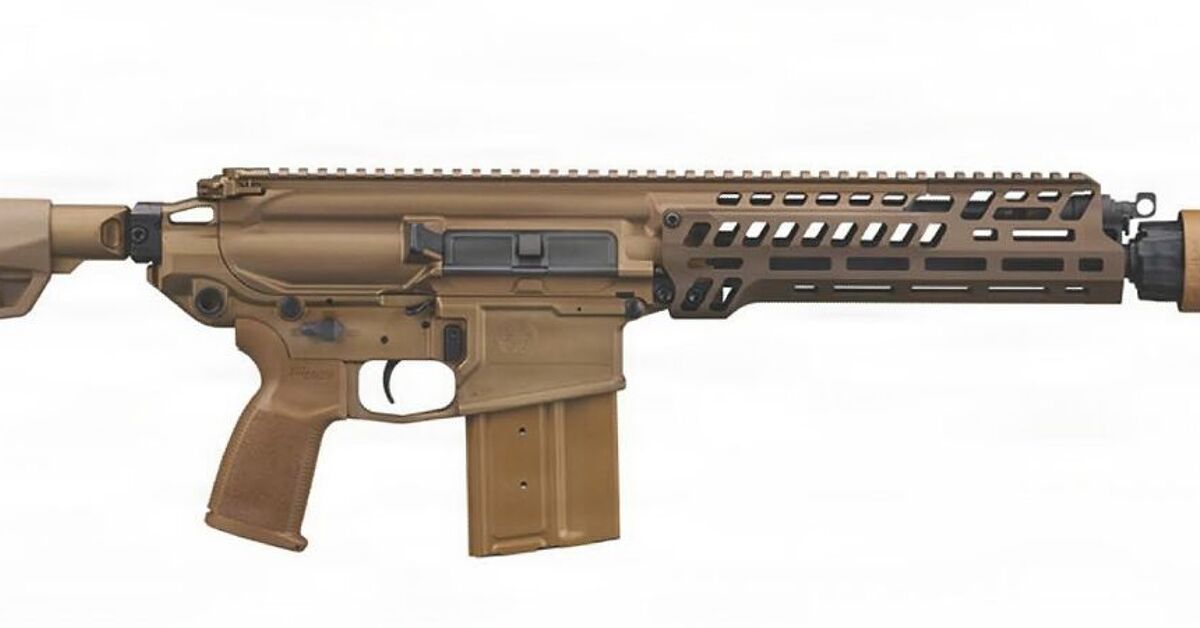
POTD: The XM8 Carbine, M7 Rifle and The M250 Automatic Rifle
The U.S. Army released high-quality studio photographs showing its current small arms arsenal: the XM8 Carbine, M7 rifle, M250 automatic rifle, and the battle-tested M4A1. The images provide the clearest view yet of the military's Next Generation Squad Weapon (NGSW) program results. The M7 rifle, manufactured by Sig Sauer, fires the new 6.8x51mm cartridge and replaces the M4A1 carbine in infantry units. The M250 automatic rifle, also from Sig Sauer, replaces the M249 Squad Automatic Weapon. Both weapons entered service in 2022 after winning the Army's competitive selection process. The XM8 Carbine represents an updated variant designed for specific operational requirements.
Background and Context
The Army's NGSW program launched in 2017 to replace weapons that had served for decades. The M4A1 carbine, chambered in 5.56x45mm NATO, has been the standard infantry rifle since the early 2000s. The M249 SAW, firing the same cartridge, provided squad-level automatic fire support. Military leaders determined these weapons lacked sufficient range and penetration against modern body armor. The new 6.8x51mm cartridge delivers 20% more energy than 7.62x51mm NATO rounds. Sig Sauer beat competitors General Dynamics and Textron with their MCX-SPEAR rifle design. The contract is worth $4.7 billion over ten years. Initial fielding began with the 101st Airborne Division. The Army plans to equip close combat forces first, with wider deployment following budget availability.
What This Means for Gun Owners
Military weapon adoption often influences civilian firearms development and availability. Sig Sauer already markets civilian versions of both military weapons. The MCX-SPEAR rifle retails for approximately $8,000. The civilian MG 338 machine gun costs over $17,000. The 6.8x51mm cartridge is available commercially but remains expensive compared to traditional calibers. Ammunition costs roughly $4 per round versus $1 for .308 Winchester. The technology driving these weapons - including advanced fire control systems and suppressor integration - will likely appear in civilian products. However, full-auto capability remains restricted under federal law. The Army's embrace of suppressors as standard equipment validates what civilian shooters have known for years about hearing protection and accuracy benefits.
Industry Impact
Sig Sauer's NGSW victory established the company as a major defense contractor alongside traditional players like Colt and FN America. The German-owned manufacturer now produces rifles, pistols, ammunition, and optics for military customers. The 6.8x51mm cartridge created a new market segment between 5.56mm and 7.62mm NATO. Other manufacturers are developing competing loads and firearms. Federal, Winchester, and Hornady produce 6.8x51mm ammunition. The suppressor requirement drove integration advances across the industry. Companies like SilencerCo and Dead Air expanded military contracts. The Army's move away from the M4 platform ends decades of AR-15 dominance in military service. This shift may accelerate development of alternative rifle designs in civilian markets.
What to Watch Next
The Army will continue fielding these weapons to combat units through 2025. Budget constraints may slow adoption beyond infantry and special operations forces. Congress appropriated $40 million for NGSW procurement in fiscal year 2024. The Marine Corps is evaluating whether to adopt the same weapons or pursue different solutions. International allies are watching U.S. experience with the 6.8x51mm cartridge. NATO standardization discussions could drive broader adoption. Civilian availability of military surplus parts and accessories will remain limited initially. Ammunition production must increase significantly to support both military and civilian markets. Training requirements for the new weapons will influence military marksmanship programs. Long-term reliability data from field use will determine program success.
DownRange Bottom Line: The Army's new small arms represent the biggest military rifle change in 60 years. These weapons prove American manufacturers can still innovate when given real requirements and competition.