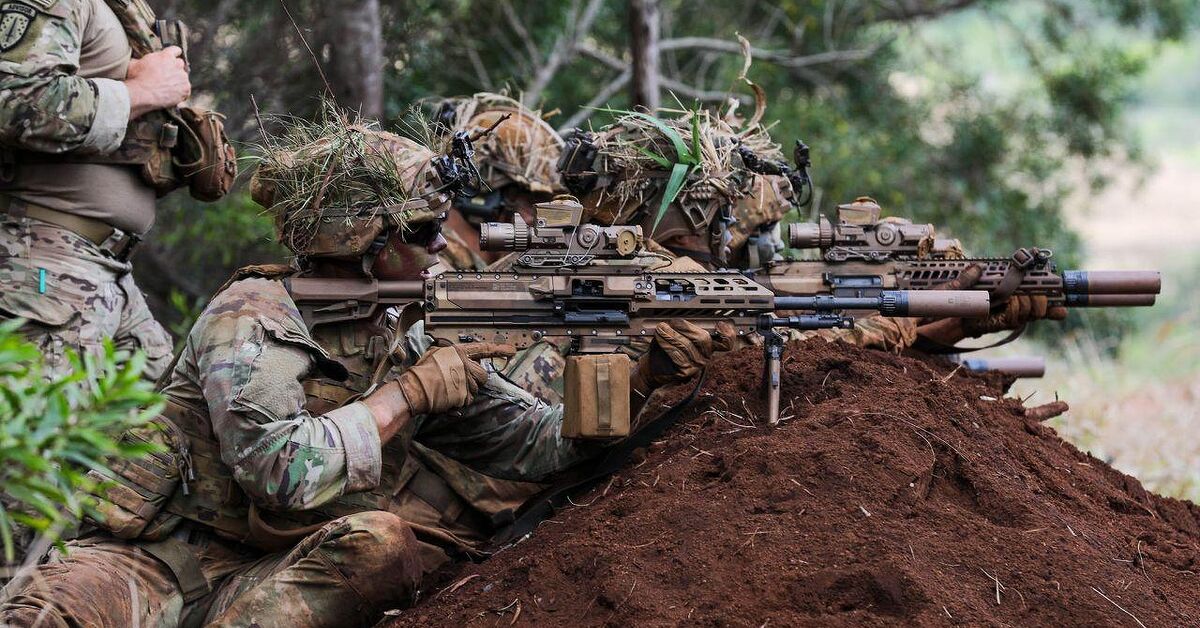
Army's M7 Rifle Passes Hawaii Jungle Test; M250 SAW Struggles
The U.S. Army pushed three new weapons systems to their limits at Schofield Barracks in Hawaii. The 25th Infantry Division ran extended field trials of the M7 rifle, M250 squad automatic weapon, and M157 optic under conditions that destroy equipment fast: salt spray from the Pacific, sustained 90-plus degree heat, and jungle humidity that corrodes metal and fouls springs. The M7 held up. The M250 did not.
Key Details
- M7 rifle demonstrated reliability across extended shooting cycles in salt-heavy air and high humidity.
- M250 SAW required frequent maintenance interventions during sustained-fire drills; moisture ingress created operational pauses.
- M157 optic mounted and tracked targets effectively but data on long-term salt corrosion remains limited.
- Testing results will directly inform final military specifications and influence commercial rifle manufacturers already developing civilian-legal variants.
Why It Matters for Gun Owners
If you carry a rifle in humid climates—coastal areas, the South, the Pacific Northwest—you need to know what the Army learned here. The M7's reliability in salt spray means designers prioritized corrosion resistance in ways older platforms ignored. That matters for civilians shopping piston-driven rifles or modernized ergonomic controls. The M250's maintenance headaches signal that sustained fire in moisture demands attention to gas tube sealing and extractor reliability. Gun owners in high-humidity regions should inspect extractors and gas systems more frequently. Commercial ammunition manufacturers will likely see military demand shift toward better corrosion-resistant casing treatments, which benefits civilians buying the same ammo.
DownRange Analysis
The M7's performance in Hawaii validates what serious shooters already know: materials science matters more than raw horsepower. A rifle that runs wet runs everywhere. The M250's struggle suggests the Army will tighten gas system specs and extractor tolerances before fielding—good news for civilians buying similar designs later. Watch for manufacturers to emphasize salt-fog testing in product claims. One warning: military specifications drive civilian production cycles, but commercial guns often cut corners on corrosion protection to hit price points. Buy rifles from makers who publish environmental testing data. If the Army is spending resources here, your carry gun should meet—not follow—those standards.