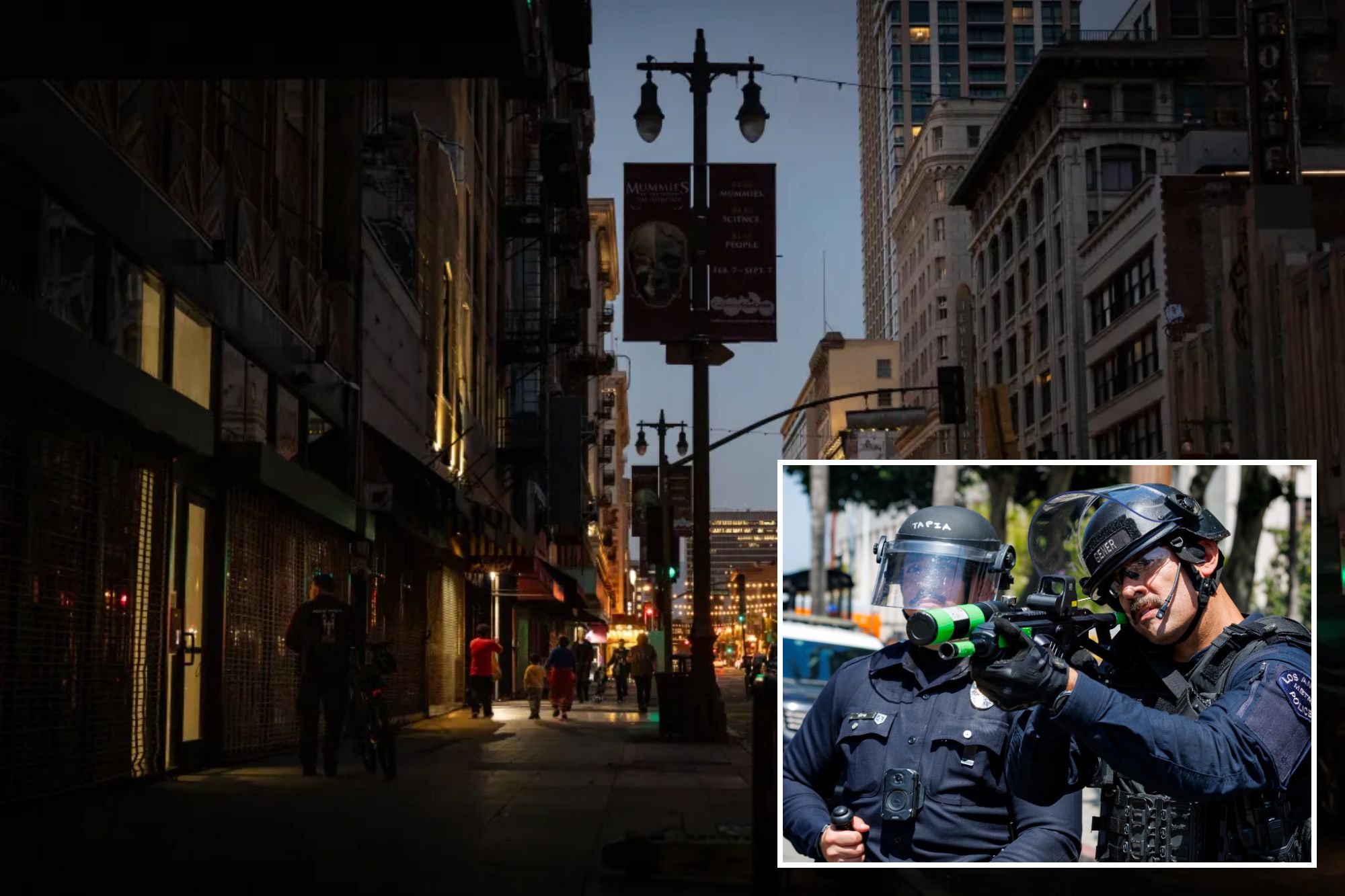
LA Water Department Seeks Armed Police Force to Stop Copper Theft Ring
The Los Angeles Department of Water and Power has formally requested authorization to establish its own armed police force. The move targets a persistent copper wire theft problem that has reached crisis levels across the utility's service territory. Water and power infrastructure theft has become so frequent that traditional law enforcement response no longer contains the problem. The utility now views armed security as necessary to protect critical equipment and maintain service reliability.
Key Details
The Scale: Copper wire theft has become systematic across LA's water and power infrastructure. Thieves target live cables, transformers, and distribution lines with industrial-scale operations. The thefts disrupt service, create safety hazards, and force expensive emergency repairs.
The Response: LA's water department is requesting its own armed police force rather than relying on LAPD response. This represents a significant escalation in how utilities plan to defend their infrastructure. The armed force would focus on theft prevention, evidence collection, and deterrence at vulnerable facilities.
Infrastructure Impact: Copper theft directly threatens water pressure systems, electrical delivery, and emergency backup power. A single theft can leave thousands without service for hours or days.
Why It Matters for Gun Owners
This development signals how private security and infrastructure protection are shifting toward armed response models. Gun owners should understand the practical implications: armed security forces protecting utilities create a legitimate market for trained personnel and establish precedent for civilian armed response to organized theft. California's restrictive permitting environment makes this request particularly significant—utility-employed armed guards operate under different legal frameworks than private citizens. For gun owners in LA and surrounding areas, this reflects growing acceptance that law enforcement alone cannot manage organized crime affecting critical systems. It validates the principle that property protection requires credible armed response, though utility employees will face California's strict training and liability requirements.
DownRange Analysis
This request exposes a fundamental failure of public safety infrastructure in Los Angeles. Rather than deploying sufficient law enforcement, a critical utility is forced to arm its own personnel—a tacit admission that traditional policing has collapsed under organized theft pressure. California's anti-gun regulatory environment creates irony here: the state restricts citizen carry while allowing utilities to deploy armed forces. The utility's move will likely succeed because infrastructure protection transcends typical gun control politics. Gun owners should watch whether this armed force request includes armed civilians or remains government-only personnel. Either way, it establishes precedent for armed response to organized criminal activity that impacts public welfare. The next question: will California allow other utilities and private infrastructure operators similar authority?