Tech Influencer Rossmann Challenges 3D Firearm Manufacturing Restrictions
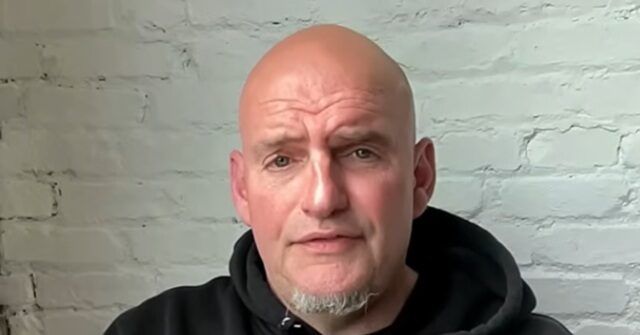
Louis Rossmann commands 2.5 million YouTube subscribers and is now directing his audience's firepower at policymakers enforcing 3D gun bans. The shift matters: a mainstream tech advocate with serious reach is amplifying manufacturing freedom arguments to gun owners who care about making their own arms.
Who's Rossmann and Why His Audience Pays Attention
Rossmann built his platform on right-to-repair advocacy. His videos routinely hit 100,000+ views. Gun owners concerned with manufacturing autonomy form a substantial portion of his core audience. He understands tech policy, understands regulation, and understands how bad law gets written.
The Move From Repair to Firearms Manufacturing
Rossmann's pivot to 3D gun ban challenges isn't random. Right-to-repair and manufacturing freedom are philosophically linked. Both involve ownership, control, and government restriction of what you can do with devices you own. Both involve policymakers who don't understand technology trying to regulate it anyway. Rossmann sees the connection clearly.
Why Gun Owners Should Care About This Platform Shift
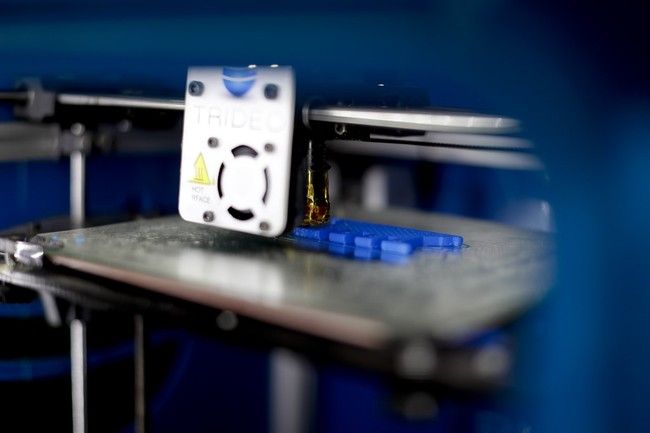
Most 3D firearm manufacturing discussion stays within gun communities. Rossmann brings it to 2.5 million people—many outside traditional pro-gun circles. He's reaching tech enthusiasts, makers, libertarians, and people skeptical of government overreach generally. That's audience diversification. That's cultural momentum.
The timing matters. States continue passing restrictions on 3D-printed firearm distribution and manufacturing. Federal regulation remains unsettled. Having voices like Rossmann—credible on tech policy, trusted by his audience, unconcerned with traditional gun lobby politics—creates different pressure on policymakers than traditional advocacy does.
The Policy Reality Rossmann's Confronting
3D gun ban supporters argue public safety demands restricting access to digital firearm files and manufacturing capability. They point to untraced weapons and untraceable production. Rossmann's counterargument centers on manufacturing freedom and the impossibility of regulating digital information once it exists publicly.
The technical reality: digital files can't be unprinted. Restricting their distribution after they're public is security theater. Rossmann likely focuses on this gap—the gap between what policymakers claim their bans accomplish and what they actually do.
DownRange Analysis
Rossmann represents something important for Second Amendment advocates: credibility outside the gun world. He's not a firearms personality or a traditional lobbying group. He's a technology authority speaking to technology-minded people. That carries weight with policymakers attuned to public perception.
His challenge to ban policymakers signals that 3D firearm restrictions aren't just gun politics anymore. They're part of broader manufacturing freedom, right-to-repair, and digital rights conversations. That expands who cares about the outcome.
For gun owners: Rossmann's 2.5 million subscriber reach amplifies arguments that would otherwise stay marginalized in mainstream media. He's translating manufacturing freedom philosophy into language his audience understands. That translation work matters as bans proliferate and legal challenges emerge.
The risk: platform pressure can cut both ways. Mainstream attention also means mainstream opposition gets organized faster. But for now, Rossmann's moved the manufacturing freedom conversation into spaces where gun owners rarely have allies.
Source: Original report