Smith & Wesson Ships 617 Mountain Gun—The .22 Revolver Gun Owners Actually Wanted
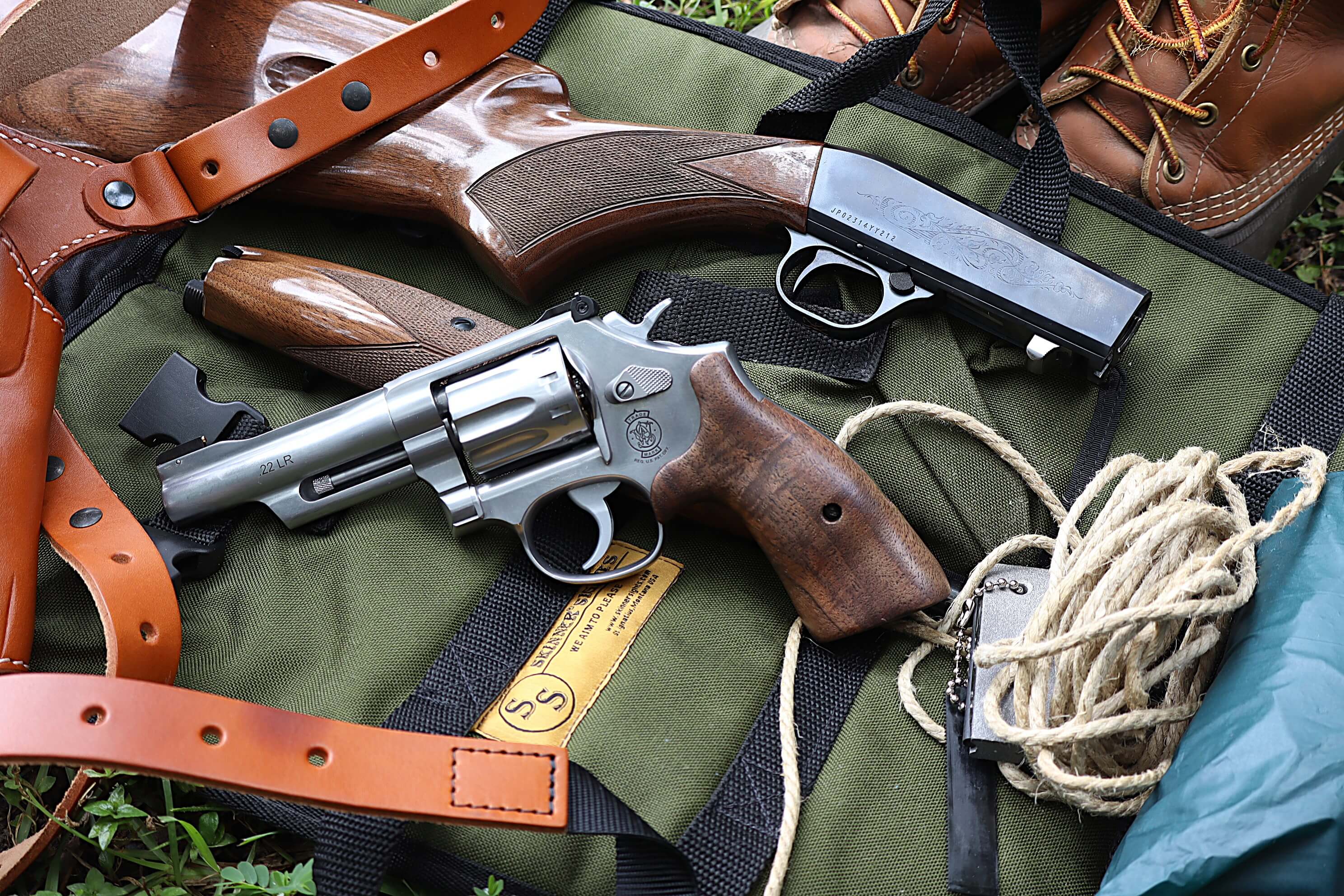
Smith & Wesson has released the 617 Mountain Gun, a K-frame .22 LR revolver built for woods and backcountry use. The gun handles well, shoots accurately, and carries the practical attitude shooters demanded for decades. Early hands-on testing confirms it delivers on the basic brief: a reliable, packable .22 for field work and training. Quality control gaps, however, marred the initial production run.
Key Details
- The 617 Mountain Gun ships as a K-frame .22 LR revolver with appropriate ergonomics and sighting options for field use
- Accuracy testing showed consistent performance for a woods gun; ballistics suited to small game and training at practical distances
- Manufacturers completed builds with design choices that prioritize carry weight and fieldability over target-range specifics
- Production samples exhibited finish inconsistencies and minor assembly variances
Why It Matters for Gun Owners
Shooters have requested a production-quality .22 revolver purpose-built for mountain and field carry for years. The 617 Mountain Gun fills that gap directly. It delivers a gun suitable for backcountry work, small game, and training without the ergonomic or reliability compromises of pocket pistols or single-action alternatives. Woods carriers now have a legitimate revolver option in .22 LR from a factory with known quality standards. The gun's K-frame size balances capability with packability—critical for anyone who spends time far from roads. However, buyers should inspect examples closely before purchase and consider warranty coverage, as initial quality control lapses signal potential assembly inconsistencies in early production batches.
DownRange Analysis
Smith & Wesson identified and filled a real market need here. Demand for purpose-built woods guns has risen sharply since New York State Rifle & Pistol Association v. Bruen shifted judicial scrutiny toward historical carry standards and practical firearm design. A .22 revolver with field credentials passes that test cleanly. The quality control stumbles are fixable through production tightening; they don't reflect fundamental design failure. Gun owners should track whether S&W addresses finish and assembly issues in subsequent production runs. If they do, the 617 Mountain Gun becomes the de facto standard for lightweight backcountry .22 carry. If not, demand may migrate to used K-frame options or competing designs.