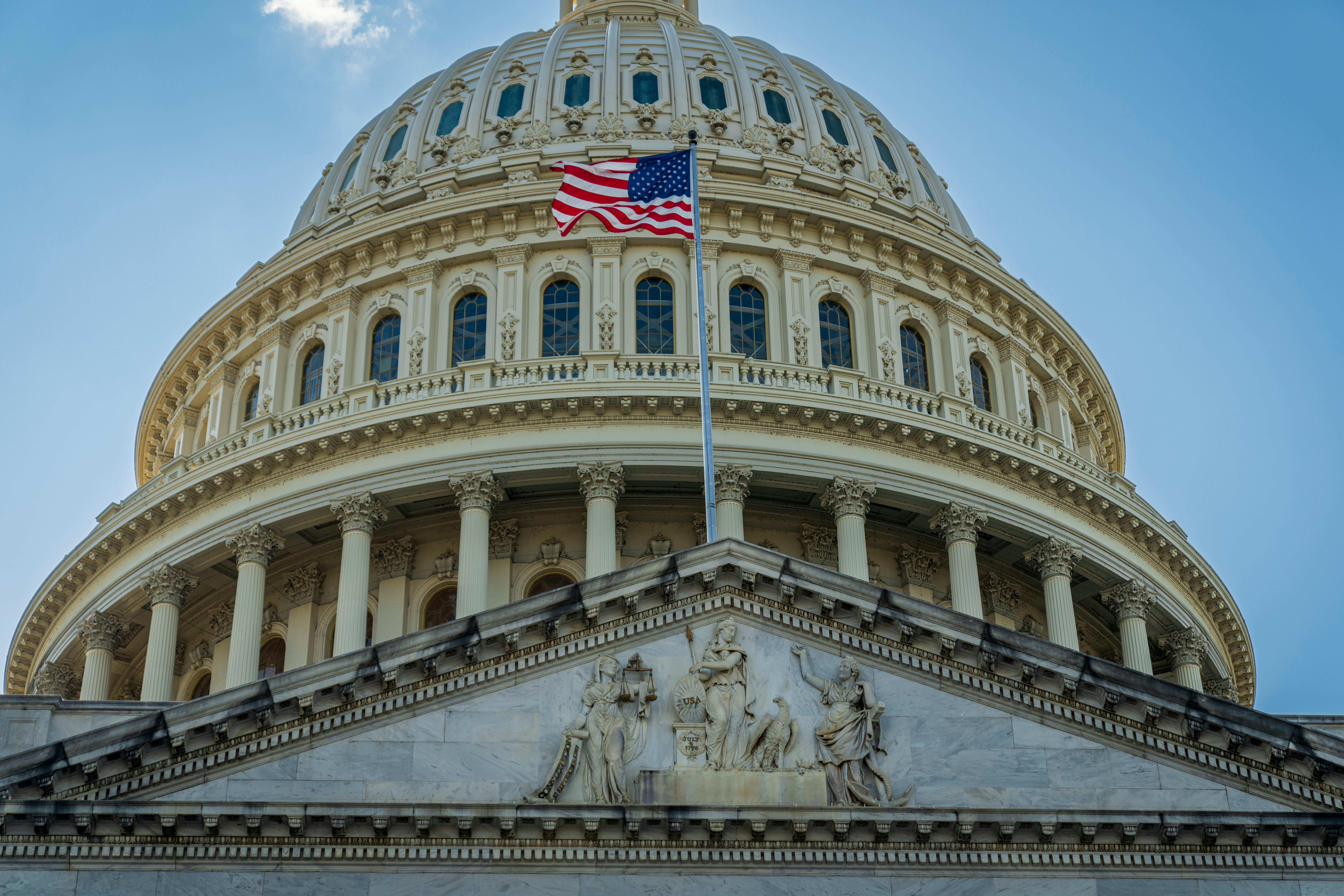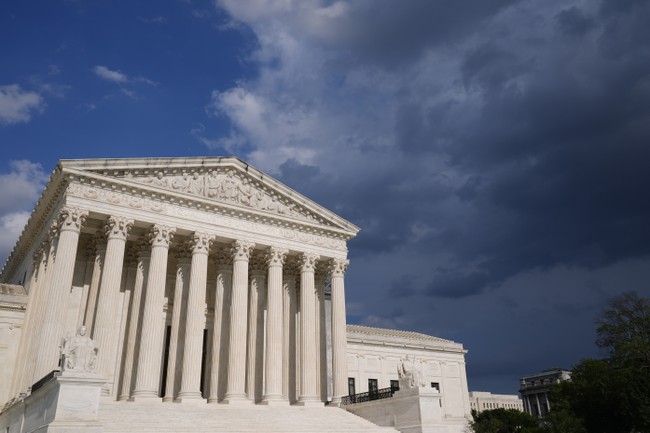
Supreme Court Punts on Assault Weapon Cases for Another Week
The Supreme Court's weekly conference orders released Monday contained no decisions on five active lawsuits attacking bans on semiautomatic rifles and magazine capacity restrictions. The cases remain pending, with no indication when the Court will grant certiorari or allow lower court rulings to stand. This marks another cycle of silence on Second Amendment hardware restrictions that affect millions of gun owners nationwide.
Key Details
Five separate lawsuits challenge assault weapon and magazine bans across federal and state jurisdictions. SCOTUS has not acted on any of them during its recent conference cycle. The Court's inaction allows existing lower court decisions to remain in effect, meaning magazine capacity limits and semiautomatic rifle bans continue in force in states where they were upheld. No timeline exists for when the Court will address these cases.
Why It Matters for Gun Owners
Handgun ownership faces minimal post-Heller risk, but hardware bans remain a constitutional grey area that courts have treated inconsistently since New York State Rifle & Pistol Association v. Bruen. Lower courts in California, New York, and other restrictive jurisdictions have upheld magazine limits and semiautomatic bans using historical analogs and "public safety" reasoning. Gun owners in these states have no immediate relief coming—the Supreme Court's silence suggests institutional hesitation to revisit the issue quickly. Owners in pro-Second Amendment states should expect federal litigation to continue for years. Those in ban states who own affected firearms face storage, registration, or surrender deadlines depending on state law.
DownRange Analysis
Bruen shifted the burden to government to justify firearm restrictions using historical tradition, but circuit courts have found creative ways to apply that test without striking down bans. SCOTUS's refusal to grant cert on these cases—now repeated over multiple cycles—suggests the Court lacks five votes for broad hardware protections or views the question as premature. Gun owners should prepare for state-level bans to stand for the foreseeable future unless a new petition reaches cert with stronger historical evidence or a circuit split emerges. Meanwhile, manufacturers and retailers in ban states face inventory and liability pressure. The practical outcome: litigators need better historical evidence of common-use standards in the founding era, not just modern prevalence arguments.