Second Circuit Strikes Down New York's Default Private Property Gun Ban
The U.S. Court of Appeals for the Second Circuit struck down New York's Vampire Rule Friday, which banned carrying firearms on private property without express permission from property owners. The ruling restores the default right to carry in businesses and private establishments unless specific no firearms signage is posted. The decision represents a major victory for concealed carry permit holders in New York, who faced potential felony charges for entering private businesses while armed under the previous rule. The court upheld restrictions in sensitive locations including public parks, government buildings, and schools.
Background and Context
New York enacted the Vampire Rule as part of its response to the Supreme Court's Bruen decision in June 2022, which struck down the state's may-issue concealed carry licensing system. The rule created a default prohibition on carrying firearms on private property unless the property owner explicitly granted permission, effectively turning every business into a gun-free zone unless stated otherwise. Gun rights advocates immediately challenged the provision, arguing it violated the Second Amendment and contradicted Bruen's historical methodology for evaluating firearm restrictions. The rule earned its nickname because it sucked the life out of carry rights by making most private property off-limits to lawful gun owners.
What This Means for Gun Owners
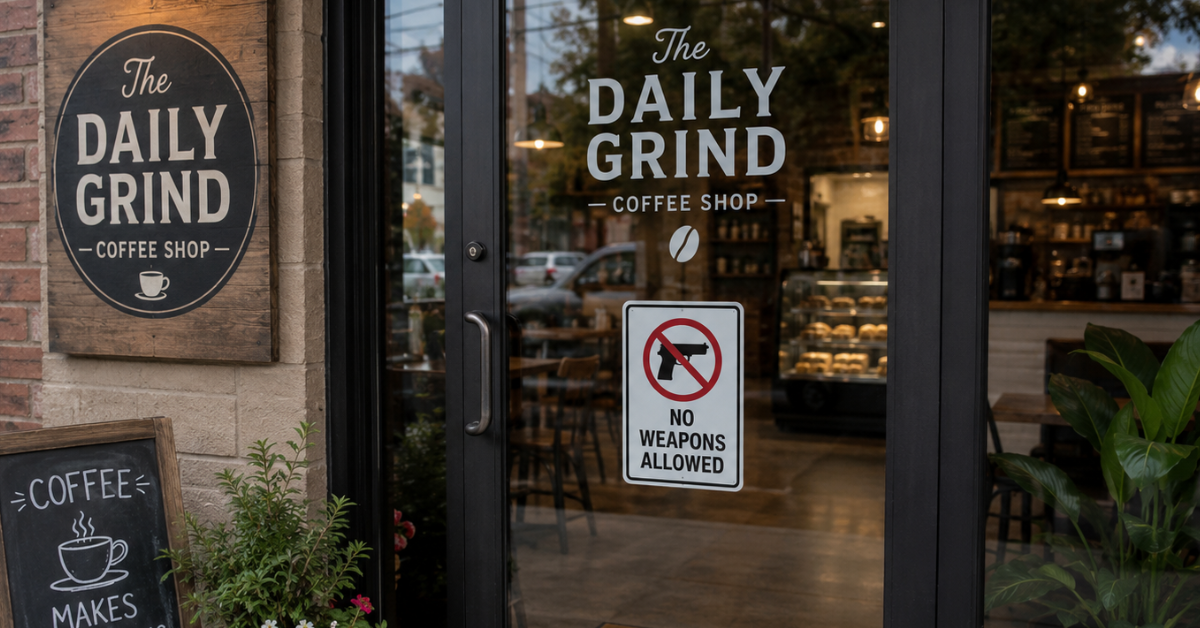
New York concealed carry permit holders can now legally carry firearms in private businesses, restaurants, stores, and other commercial establishments unless specific signage prohibits firearms. Property owners retain the right to ban firearms on their premises through posted notices, but the default presumption now favors the right to carry. The ruling applies immediately to New York, Connecticut, and Vermont within the Second Circuit's jurisdiction. Permit holders should still avoid sensitive places like schools, government buildings, and public parks where restrictions remain in effect. The decision eliminates the previous requirement to obtain explicit permission from every business owner before entering while armed.
Industry Impact
The Firearms Policy Coalition and Second Amendment Foundation praised the ruling as a restoration of constitutional rights. Gun Owners of America called it a crucial step toward dismantling New York's post-Bruen restrictions. The National Rifle Association highlighted the decision as proof that courts are taking Bruen's historical test seriously. New York firearms instructors and training facilities expect increased demand for concealed carry courses as the practical utility of permits increases. Business owners now face decisions about whether to post gun-free signage, with many expected to allow lawful carry to avoid alienating customers.
What to Watch Next
New York Attorney General Letitia James has 30 days to petition the Supreme Court for certiorari, though legal experts consider an appeal unlikely given the Court's current Second Amendment jurisprudence. Similar challenges to New York's remaining sensitive place restrictions are pending in federal district courts, with decisions expected by fall 2026. Judge Glenn Suddaby of the Northern District of New York is overseeing the primary case challenging subway and public transportation bans. The Third Circuit is considering nearly identical restrictions in New Jersey, with oral arguments scheduled for June 2026.
DownRange Bottom Line: This decision restores meaningful carry rights in New York and signals that courts are serious about enforcing Bruen. Permit holders should carry responsibly and respect posted signage while enjoying their restored rights. Other anti-gun states should take notice that default carry bans won't survive constitutional scrutiny.