Virginia Judge Freezes Assault Weapon Ban Challenge Days Before Implementation
A Lancaster County judge in Virginia issued a stay order that halts all proceedings in the lawsuit challenging the state's assault firearm and large-capacity magazine restrictions. The order canceled a scheduled emergency injunction hearing without providing a stated reason for the decision.
The timing matters. Gun rights groups had requested an emergency injunction to block enforcement of Virginia's ban before it takes effect. The hearing was set for Friday. Now it's off the calendar indefinitely.
What the Stay Order Actually Does
A stay freezes litigation. No discovery. No depositions. No briefing. The case sits dormant while the underlying law moves forward. For gun owners and Second Amendment advocates, this is procedurally devastating — it prevents the court from even considering whether the ban violates constitutional rights before people become felons for possessing common firearms.
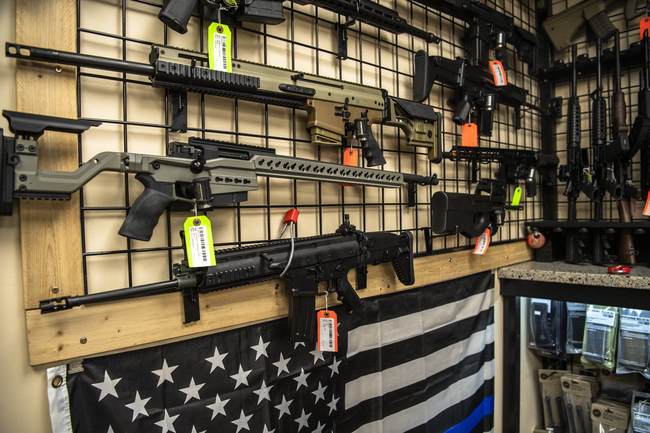
Virginia's assault weapon definition covers semi-automatic rifles that accept detachable magazines and have one or more of these features: pistol grip, thumbhole stock, folding or telescoping stock, grenade or flare launcher, flash suppressor, or muzzle brake. Large-capacity magazines are defined as those holding more than 10 rounds.
The judge provided no written explanation. That opacity is unusual in stay orders. Judges typically articulate reasoning — whether they're staying proceedings due to parallel litigation, jurisdictional questions, or other factors. The lack of explanation leaves gun rights groups guessing about next moves.
The Strategic Problem
Freezing the case before an injunction hearing is different from denying an injunction. A denial means the court heard arguments and ruled against the plaintiffs. This stay prevents that hearing from happening at all. It's a procedural shield that avoids judicial review of the ban's constitutionality.
Gun owners who own affected firearms now face a choice: comply, surrender, sell out of state, or risk prosecution. The stay order removes the possibility that a court blocks enforcement before the law takes effect.
Virginia's Attorney General's office has supported the ban. State leadership, including Governor Glenn Youngkin, has been divided on enforcement and implementation details, though the legislation passed and faces no gubernatorial veto threat.
Why This Matters
This isn't merely a procedural delay. Stay orders affect real people's constitutional claims. If the court never reaches the injunction question, the ban operates uncontested in the meantime. Gun owners must decide whether to risk felony charges or comply with a law they believe violates the Second Amendment.
The Supreme Court's Bruen decision established that firearms regulations must align with historical tradition. Virginia's assault weapon ban is arguably inconsistent with that standard — semi-automatic rifles are commonly owned for lawful purposes. But that argument never reaches the Virginia court now.
Gun rights groups challenging the ban still have options: appeal the stay, request expedited proceedings, or pursue alternative litigation strategies. But the window for stopping enforcement before implementation has narrowed significantly.
Source: WVTF Public Radio