Barrel Length Drives Suppressor Sound Reduction and Lifespan
Suppressor performance is not one-size-fits-all. Barrel length directly affects how well a suppressor actually reduces noise, how long it lasts, and whether it functions reliably on your rifle or pistol. Manufacturers publish minimum barrel length requirements for specific suppressors for engineering reasons, not arbitrary restrictions. Pairing a suppressor with an undersized barrel voids warranties, risks baffle strikes, and degrades the sound reduction you paid for.
Key Details
How barrel length impacts suppressor function:
- Shorter barrels produce higher-pressure gas at the suppressor entrance, increasing wear on internal baffles and seals
- Gas velocity and dwell time change with barrel length, altering how sound-suppressing gases expand through the suppressor
- Undersized barrels can produce baffle strikes—bullets contacting internal baffles during flight—which destroys the suppressor and risks catastrophic failure
- Suppressor longevity suffers when gas pressure exceeds design specifications, accelerating corrosion and material fatigue
Why It Matters for Gun Owners
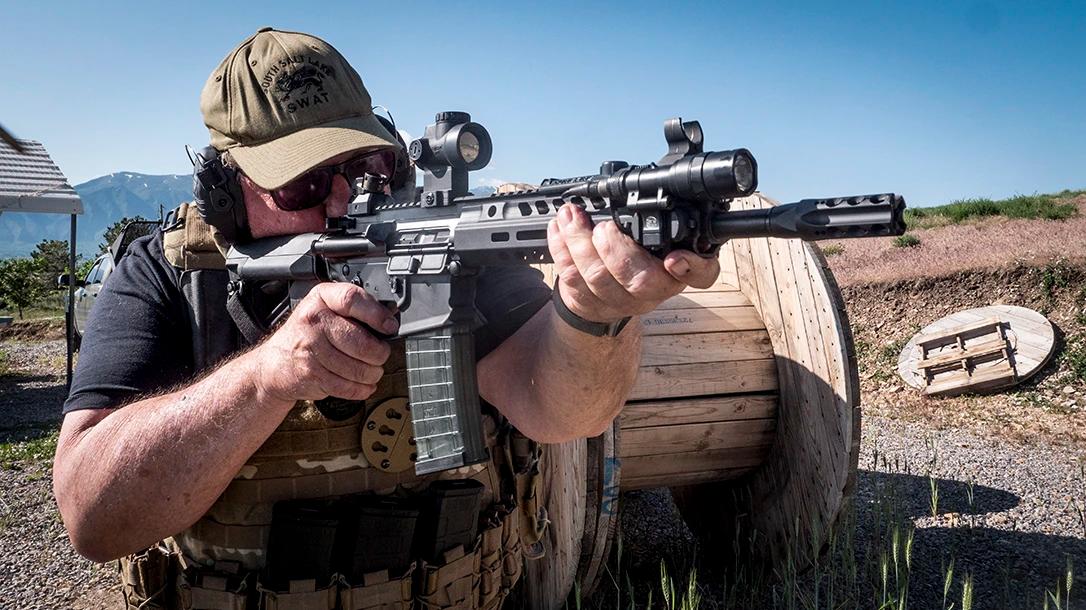
If you run a short-barrel rifle or pistol with a suppressor, the barrel length stamped on your upper or slide directly determines which suppressors will perform as advertised. A 5.56 suppressor rated for 10.5-inch barrels minimum won't give you the same decibel reduction on a 7-inch SBR. You'll also shorten the suppressor's service life and risk damage that manufacturer warranties won't cover. Competitive shooters and hunters depend on consistent performance; running under-spec setups introduces unpredictability. Check your suppressor manufacturer's published specs before pairing hardware. If you own multiple uppers or pistols, verify that each barrel length matches your suppressor's rated range.
DownRange Analysis
Suppressor manufacturers aren't creating these specs to limit customer choice—they're publishing engineering data. Running a suppressor outside its rated barrel length is like running ammunition rated for different pressure curves; you void reliability and safety. The Second Amendment protects your right to own these tools, but it doesn't protect you from the physics of gas expansion and baffle stress. Gun owners who ignore specs often blame the suppressor for poor performance when the real problem is hardware mismatch. Before you buy, measure your barrel. After you buy, follow the manufacturer's guidance. This isn't regulation. This is engineering.