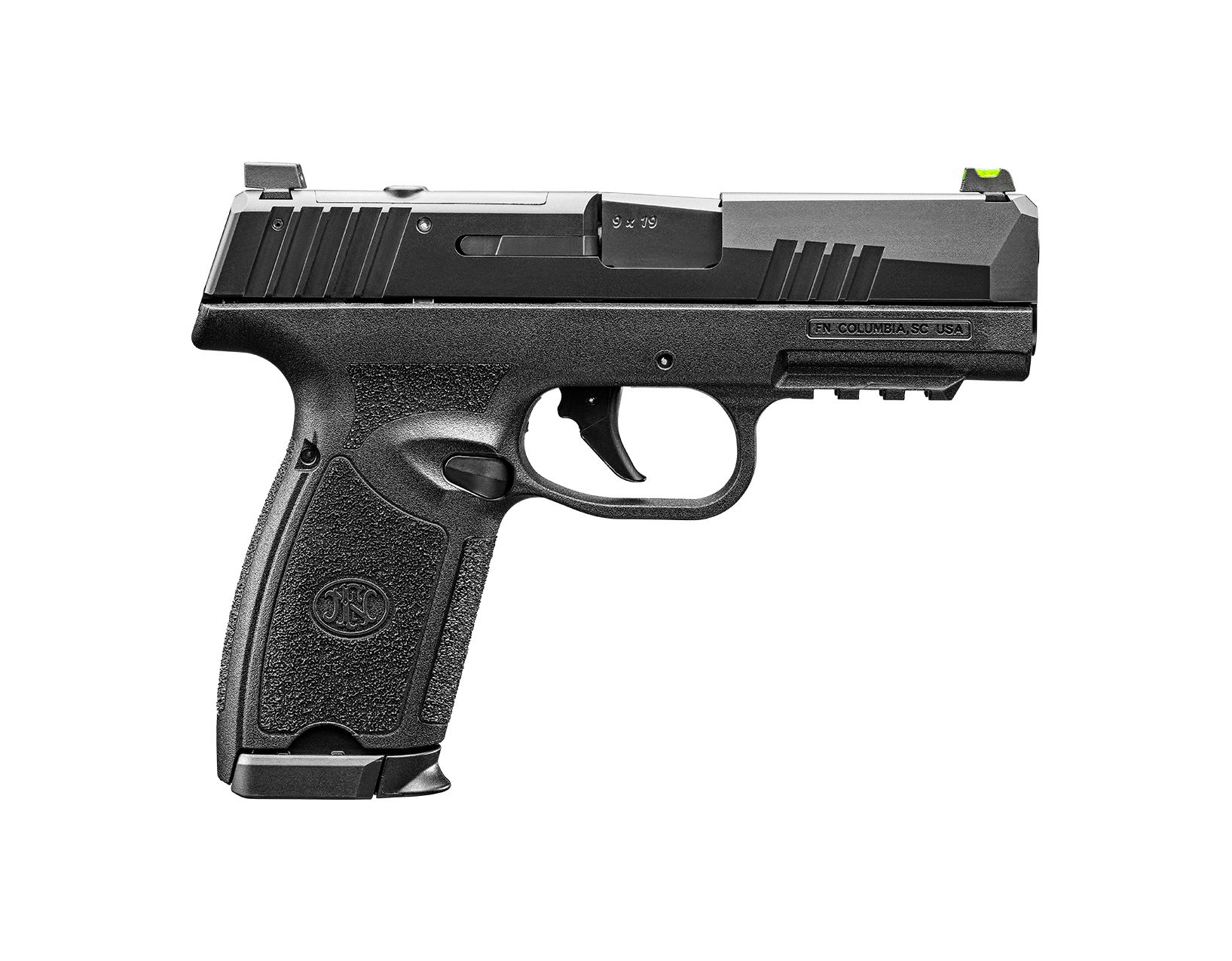
Canik Escalates Competition in Core Market Segment
Turkish firearms manufacturer Canik has long occupied the value-conscious tier of the American pistol market, but the introduction of the Prime Radian suggests a strategic pivot toward direct competition with established duty-grade platforms. This new striker-fired offering enters a market dominated by Glock, S&W M&P, Sig Sauer P320, and CZ platforms—territory where Canik previously focused on cost rather than feature parity.
What Sets the Prime Radian Apart
While detailed specifications remain sparse in launch materials, the Prime Radian designation implies refinement of Canik's existing striker-fired architecture. The name suggests design input or collaboration considerations typical of manufacturers seeking to elevate product perception beyond entry-level categorization. Early industry chatter indicates the platform borrows from Canik's TP9SF and TP9DA lineages while incorporating ergonomic and reliability refinements intended for professional end-users.
The 9mm chambering aligns with duty-standard caliber preferences, eliminating barriers to adoption by departments and organizations standardized on 9x19 Parabellum supply chains. This decision also mirrors industry consolidation around 9mm as the default choice for serious users prioritizing capacity and shootability over marginal ballistic advantages.
Market Positioning and Strategic Intent
Canik's expansion into higher-tier segments reflects broader manufacturing confidence and supply chain maturity. The company has successfully built reputation through reliability-focused designs at aggressive price points—a foundation now leveraged to challenge premium-priced competitors. If the Prime Radian delivers equivalent features and reliability to established platforms at favorable pricing, it could disrupt departmental procurement cycles and civilian carry decisions based on budget constraints.
The Turkish origin remains a consideration for some procurement environments, though Canik has systematically addressed durability and consistency concerns through improved quality control and third-party testing validation in recent years. American law enforcement agencies have increasingly evaluated and adopted Canik platforms, particularly in cost-conscious jurisdictions.
Specification Gaps and the Need for Detail
Initial promotional materials lack the ballistic coefficient, trigger weight, safety architecture, and ergonomic feature specifics that serious shooters require for platform evaluation. Frame material, slide design, optics-ready variants, and capacity configurations remain unstated. Without concrete specifications, assessment of the Prime Radian's genuine competitive position remains premature. Industry observers expect fuller disclosure in coming weeks as the platform moves toward broader distribution.
Who Should Pay Attention
Budget-conscious law enforcement agencies evaluating duty pistol refreshes, civilian carriers seeking reliable alternatives to mainstream options, and shooting competitors operating under cost constraints represent the logical audience. Departments already committed to Glock or S&W ecosystems may lack procurement flexibility to switch, but agencies conducting open evaluations should request Prime Radian test samples. The platform could also appeal to armed security professionals and correctional personnel where cost management directly impacts departmental budgets.
Civilian carriers in markets where premium platforms create affordability barriers may find the Prime Radian a legitimate alternative, provided reliability testing confirms the platform meets service expectations. Early adopter shooters should demand independent third-party durability data before committing significant training investment.
The Broader Canik Strategy
This launch fits a larger pattern of Canik attempting to establish credibility across market segments rather than remaining confined to budget positioning. Prior introductions like the Mete series demonstrated design evolution and manufacturing capability. The Prime Radian appears to accelerate that trajectory, positioning Canik to compete not just on price but on feature parity and perceived quality.
Bottom Line
The Prime Radian represents a calculated expansion by an increasingly capable manufacturer seeking shelf space in the duty and defense segment. Success depends on delivering genuine reliability and ergonomic refinement rather than merely undercutting established competitors on price. Serious evaluators should withhold judgment until comprehensive specifications and independent testing data become available. If Canik executes competently, the Prime Radian could force meaningful price competition in a segment where cost has remained artificially elevated by brand loyalty and procurement inertia.