Springfield Enters the Compact CZ Market
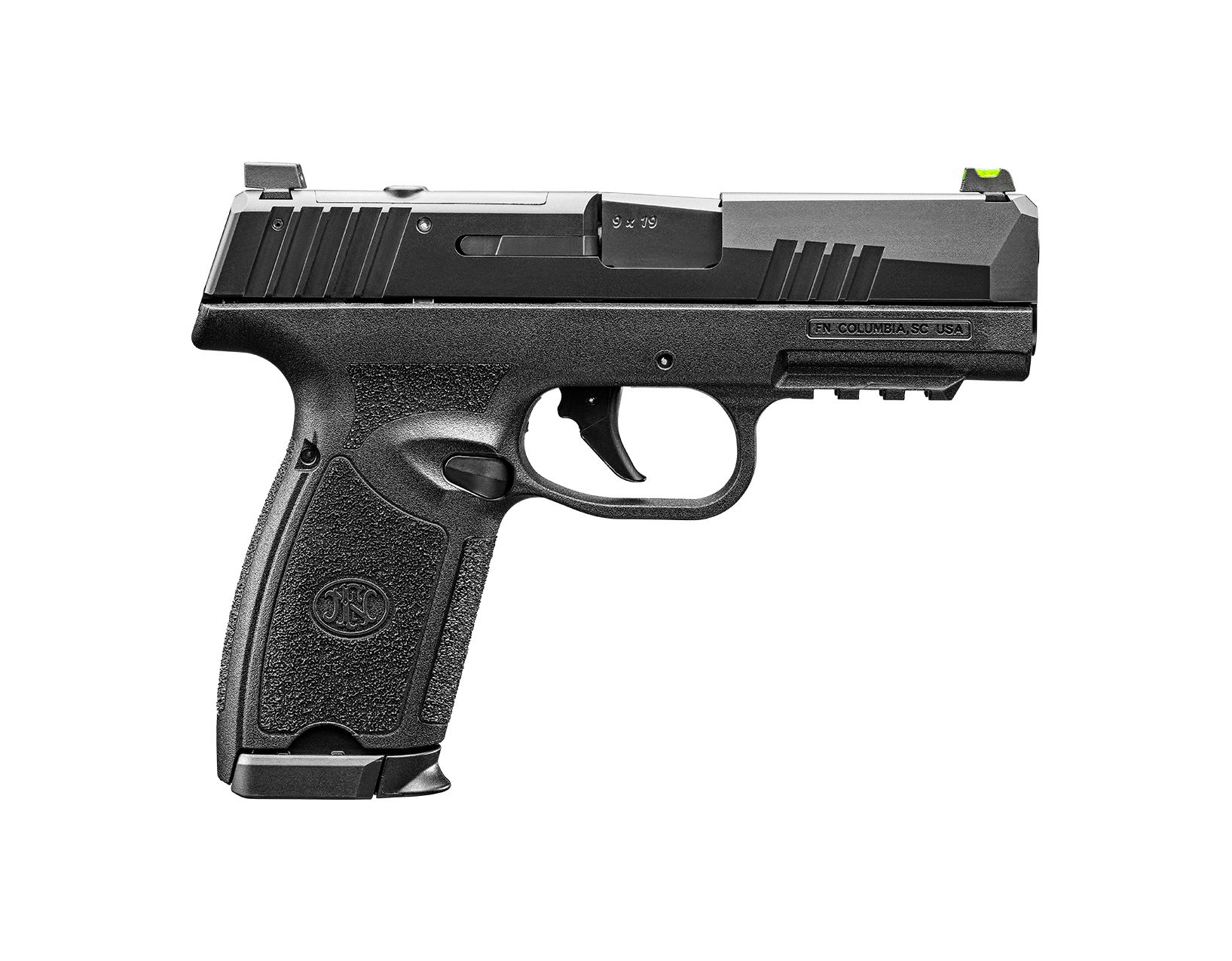
Springfield Armory has announced a 4-inch barrel variant of its SA-35, extending the popular lineup beyond the full-size 4.72-inch original release. The move signals the manufacturer's confidence in the CZ-pattern platform and its appeal to American shooters seeking alternatives to modern striker-fired designs. This compact configuration targets the everyday carry and duty pistol segments—spaces where hammer-fired 9mm guns maintain a dedicated following.
What's Different About the Short-Barrel Version
The SA-35 4-inch reduces overall length while maintaining the double-action/single-action trigger and all-steel construction that define the base model. By shortening the barrel by approximately 0.7 inches, Springfield delivers a pistol with reduced sight radius but improved concealability—a critical trade-off for dedicated carry users. The frame geometry, grip angle, and manual safety remain unchanged, meaning existing SA-35 shooters will find the compact version immediately familiar.
Core Specifications and Features
Like its full-size sibling, the 4-inch SA-35 employs a traditional CZ-75 derived design: a tilting-barrel locked-breech system with a hammer-fired action. The steel slide and frame construction ensures durability under sustained fire and provides the mass necessary for reliable cycling with standard and +P ammunition. The manual safety rides the frame, offering both decocking and safety functions in traditional fashion.
Ergonomic features include a textured grip, adjustable sights (dovetail mounted), and a trigger guard sized to accommodate gloved operation. The compact barrel length accommodates most standard holster designs while remaining serviceable in the field. Disassembly follows CZ conventions—field stripping requires no special tools and proceeds intuitively for shooters familiar with modern pistol platforms.
Market Position and Competition
The compact SA-35 enters a landscape where CZ imports and domestic CZ clones have carved out a niche among shooters who value ergonomics and traditional controls. This 4-inch variant positions itself against similar platforms—the CZ P-07, Sphinx SDP, and full-size CZ clones shortened by third-party smiths. Springfield's domestic manufacturing and distribution advantages may appeal to shooters seeking American-made alternatives without paying premium aftermarket prices.
Who Should Pay Attention
Carry-focused shooters disenchanted with striker-fired ergonomics represent the primary audience. The SA-35's grip angle (closer to 1911 geometry than modern polymer designs) and manual safety appeal to shooters with training backgrounds in hammer-fired platforms. Law enforcement and private security personnel evaluating alternatives to module-based duty systems should test this variant against approved duty load specifications. Competitors in CZ-based shooting sports—USPSA, IDPA, and Steel Challenge—may find the compact configuration useful for limited divisions or training applications.
Reload- and recoil-sensitive shooters will appreciate the all-steel construction and traditional trigger. The double-action/single-action design suits shooters who prefer decocked carry with the safety engaged, trading off round-count speed for mechanical redundancy.
Practical Considerations
Magazine cross-compatibility with the full-size SA-35 is likely but should be confirmed before purchase. Users should verify pressure ratings and ammunition restrictions, as the compact barrel may exhibit velocity and accuracy characteristics distinct from longer variants. Holster options may be temporarily limited until the market responds; aftermarket support will determine long-term appeal.
Bottom Line
Springfield Armory's 4-inch SA-35 represents a logical extension of an increasingly competitive platform. The pistol addresses a specific segment: shooters seeking CZ ergonomics in a carry-optimized package backed by domestic manufacturing and warranty support. For those already convinced of the CZ-pattern advantages, the compact SA-35 delivers proven mechanics in a configurable form factor. The question remains whether this variant generates sufficient demand to justify production focus and whether aftermarket support will follow. Performance and market reception will answer both questions within six months.