New Entry in the Compact Duty Segment
Taurus continues its push into the modern defensive handgun market with the introduction of the TX9, a striker-fired 9mm that rounds out the company's polymer-frame lineup. The timing suggests manufacturers are still chasing the compact-to-full-size sweet spot that defined the 2020s defensive pistol landscape. Whether Taurus can carve meaningful territory depends entirely on execution and price positioning.
What We Know So Far
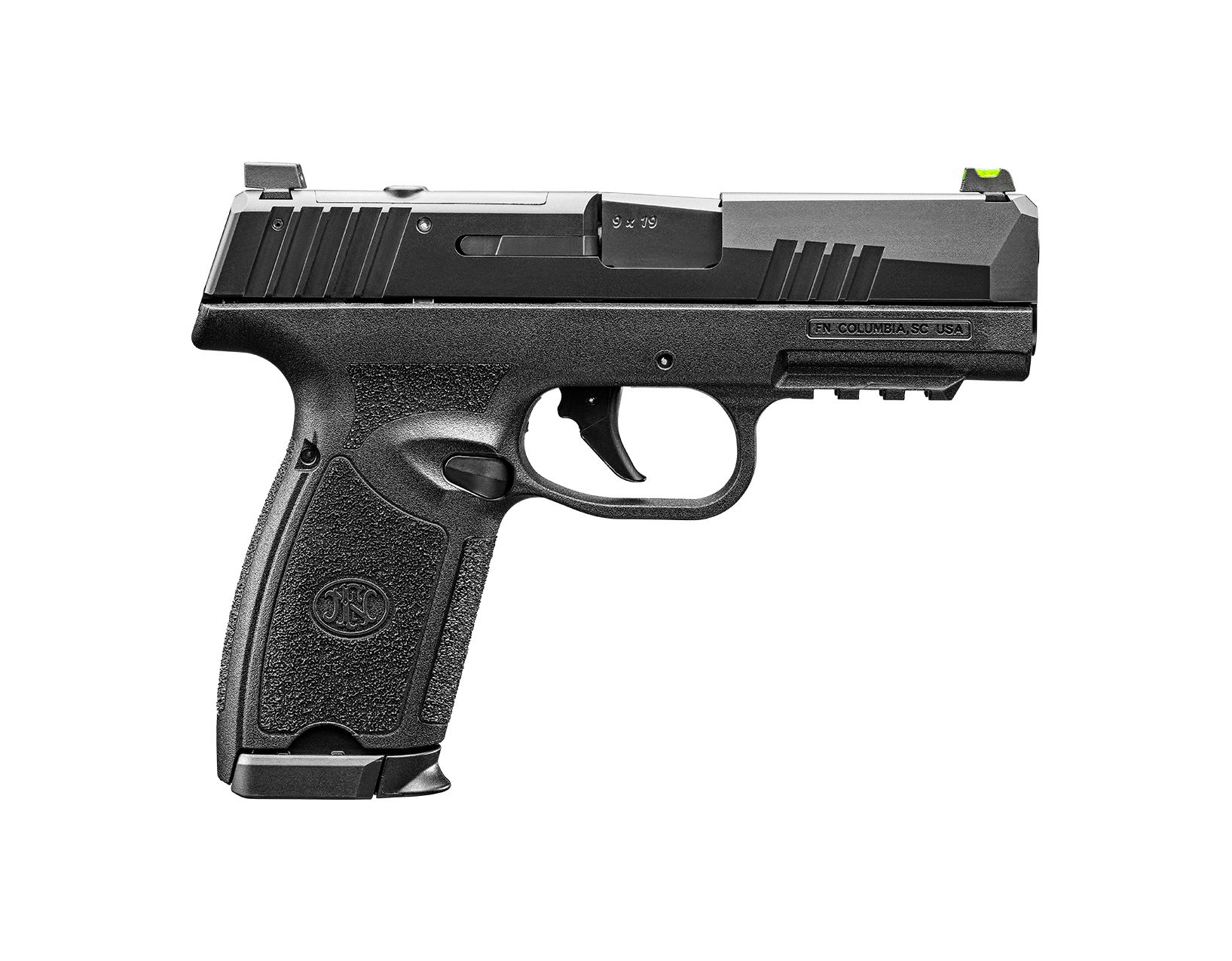
The TX9 carries the TX designation, aligning it with Taurus's recent product nomenclature shift toward simplicity. It's chambered in 9mm—the only sensible choice for a contemporary duty or carry gun—and operates on a striker-fired system. Beyond those fundamentals, Taurus has released minimal technical information. No word yet on barrel length, overall dimensions, frame material, or magazine capacity. The company appears to be managing the reveal deliberately, likely planning a full technical briefing closer to availability.
Market Timing and Competition
The 2026 timeline places the TX9 entry squarely in an oversaturated market. Smith & Wesson, Springfield Armory, Sig Sauer, and Glock have all refined their offerings over multiple generations. Even secondary players like Ruger and Taurus itself have established footprints. For this new platform to gain traction, it needs either superior ergonomics, exceptional reliability data, aggressive pricing, or ideally a combination of all three. Taurus's manufacturing expertise is real—their revolvers have proven durable—but striker-fired pistol markets reward proven track records and customer service ecosystems.
What Shooters Should Expect
Based on Taurus's recent product strategy, the TX9 will likely feature a polymer frame with aggressive texturing, a modern trigger design, and compatibility considerations for holster and accessory ecosystems. Durability testing data will matter enormously. Serious carriers and competitors expect minimum 10,000-round reliability runs without failures. Accuracy from the platform must match or exceed offerings from established names. Night sight compatibility should be assumed; proprietary optics mounting might differentiate it if done well.
The Price Question
Taurus's traditional competitive advantage centers on value pricing without obvious corner-cutting. The TX9 will likely undercut Sig P365 and Springfield Hellcat Pro positioning by $100–$200, while matching or exceeding their feature set. If the company prices aggressively while maintaining quality control, it could attract shooters building duty loadouts on finite budgets or those stocking secondary carry guns. However, price alone cannot overcome reliability questions or ergonomic misses.
Bottom Line
The Taurus TX9 represents another entrant in an established market, not a disruptive innovation. Its success will hinge on delivering reliable performance, intuitive ergonomics, and meaningful value against tier-one competitors. Shooters considering it should wait for independent testing data—third-party validation from respected reviewers will carry far more weight than manufacturer claims. If Taurus executes properly on build quality and offers strong customer support, the TX9 could capture segment share among budget-conscious carriers. Otherwise, it risks becoming another also-ran in a crowded segment where customers have excellent proven alternatives.