Minnesota Appeals Court Strikes Down Binary Trigger Ban Statewide
Minnesota's appellate court invalidated the state's binary trigger prohibition across all jurisdictions. The decision applies the U.S. Supreme Court's Bruen standard to Second Amendment protections. Binary triggers—mechanical devices firing on both trigger pull and release—are now legal for Minnesota gun owners to possess and use.
The ruling represents a significant courtroom victory for Second Amendment advocates who challenged the restriction. Courts nationwide have increasingly applied Bruen's text-and-history test since the 2022 Supreme Court decision. This case follows that precedent, examining whether Minnesota's ban aligned with America's constitutional tradition of firearm ownership.
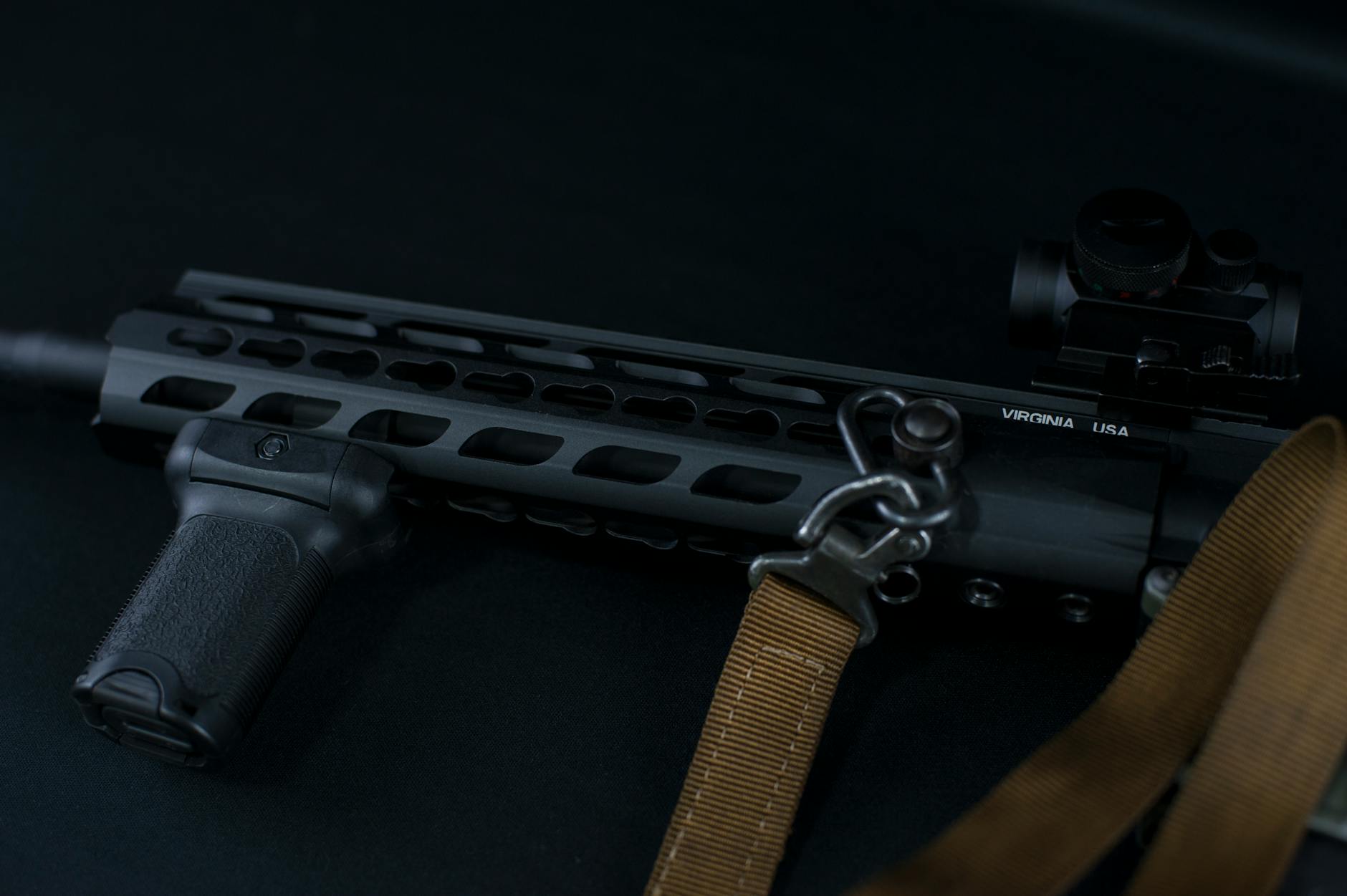
Binary triggers function mechanically without electronic components. A single mechanical motion fires the weapon twice—once when the shooter pulls the trigger, once when releasing it. Shooters must actively manage trigger cycles; the device doesn't operate independently or continuously. The mechanism remains popular among competitive shooters and sport shooters who value rapid-fire capability within legal limits.
Minnesota lawmakers enacted the binary trigger ban as part of broader restrictions on semi-automatic firearms and accessories. Proponents argued the devices increased fire rates beyond standard semi-automatic operation. Opponents countered that binary triggers simply allowed shooters to use standard shooting techniques differently—nothing more mechanical than a skilled shooter's finger control.
The appellate court's analysis focused on historical precedent. Bruen requires laws to align with America's longstanding tradition of firearm regulation. The court found no historical equivalent to Minnesota's binary trigger prohibition. Restrictions on mechanical trigger devices simply didn't exist when the Second Amendment was ratified or during the 19th century. This historical gap proved fatal to the state's ban under Bruen's framework.
Why This Matters for Gun Owners
Minnesota gun owners can now legally purchase, possess, and use binary triggers without criminal liability. The ruling expands practical options for shooters seeking different mechanical approaches to fire control. Competitive shooters and sport shooters benefit immediately from legal access to the technology.
This decision signals how courts evaluate modern firearm accessories under Bruen. Legislatures cannot simply ban devices because they enable faster shooting. Historical tradition becomes the controlling standard, not contemporary policy preferences. States must demonstrate that restrictions align with America's actual constitutional history.
The ruling also impacts pending cases across other jurisdictions. Several states maintain similar binary trigger bans. Courts elsewhere will likely cite Minnesota's decision when evaluating those restrictions. Bruen challenges to accessory bans are multiplying as litigants identify similar historical gaps in state regulations.
DownRange Analysis
Minnesota's appellate court applied Bruen correctly. The historical record simply doesn't support binary trigger prohibitions. No founding-era regulations, 19th-century statutes, or accepted practices targeted mechanical trigger devices. Courts applying Bruen must identify actual historical precedent—not speculation about what founders might have done with modern technology.
This decision reflects the judicial reality post-Bruen: broad accessory bans face serious constitutional problems. Legislatures responding emotionally to shooting incidents, rather than addressing specific historical harms, cannot survive constitutional scrutiny. The ruling doesn't invalidate all firearm regulations—only those lacking historical foundations.
Gun owners should expect similar decisions across multiple states. Binary trigger bans, bump stock restrictions, and similar accessories face mounting legal challenges. Courts are becoming more rigorous about requiring states to prove historical justification. Minnesota's decision contributes to that growing body of case law.
Source: DownRange