Clarke County Becomes Ninth Virginia Jurisdiction to Refuse Ban Enforcement
Clarke County Sheriff Chuck Kabat and Commonwealth's Attorney Ian Crossman announced they will not enforce Virginia's assault weapons ban. This decision adds Clarke County to a growing list of Virginia jurisdictions actively resisting the state mandate.
Eight other Virginia counties and cities have already taken similar stances. The pattern reveals significant friction between local law enforcement and state-level gun control legislation passed in Richmond.
What Virginia's Assault Weapons Ban Actually Requires
Virginia's ban prohibits the sale and transfer of semi-automatic rifles with certain features. The state law took effect January 1, 2020, following Democratic gains in state legislative elections.
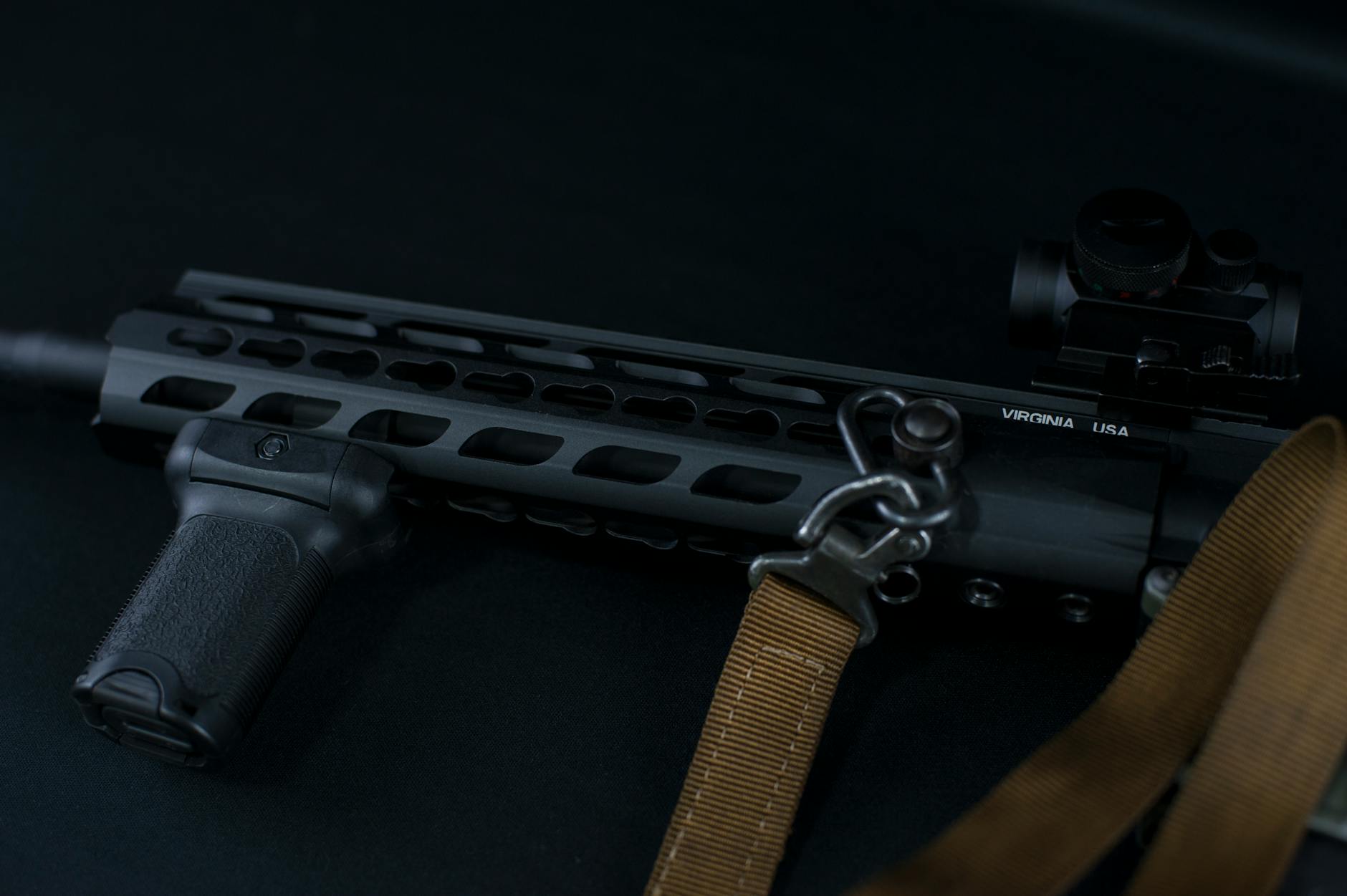
The statute covers rifles configured with pistol grips, folding stocks, threaded barrels, and magazines holding more than 20 rounds. Existing owners faced no confiscation requirement but could not legally sell or transfer these firearms within Virginia.
Clarke County joins jurisdictions like Shenandoah County, Frederick County, and Botetourt County in refusing enforcement. These sheriffs argue the ban conflicts with Second Amendment protections and strains relationships with their communities.
Why Local Law Enforcement Won't Back Richmond
Sheriff Kabat stated his office lacks resources to enforce the ban effectively. More importantly, he cited constitutional concerns about the legislation's legality under the Second Amendment.
Local prosecutors face resource constraints and competing priorities. Murder cases, drug enforcement, and violent crime investigations demand immediate attention. A ban on rifle features ranks lower on operational priorities.
Sheriffs also recognize the political reality: their communities elected them to serve local interests, not Richmond mandates that voters opposed. Gun ownership remains culturally significant throughout Virginia's rural counties.
Gun Owners Should Track This Expansion
This trend matters for anyone carrying or owning firearms in Virginia. Nine refusing jurisdictions represent meaningful coverage across the state. However, Richmond and Northern Virginia jurisdictions still actively enforce the ban.
Gun owners need to know their local sheriff's position before purchasing. What Clarke County permits differs sharply from Arlington County's enforcement approach. Interstate transport creates additional complications when driving through counties with different enforcement priorities.
The pattern suggests a potential constitutional challenge may be coming. If courts rule Virginia's ban unconstitutional, these refusing jurisdictions will have already positioned themselves correctly. If courts uphold it, refusal counties face escalating pressure from state officials.
DownRange Analysis
This isn't about lawlessness—it's about constitutional interpretation. Sheriffs take oaths to the Constitution, not just state statutes. They're exercising prosecutorial discretion and questioning whether the law itself violates higher law.
Virginia demonstrates why Second Amendment cases matter at the state level. Democratic control of the legislature enabled a ban that voters in rural counties oppose. Now law enforcement in those counties is pushing back.
Gun owners should contact their local sheriff to confirm their position. If you live in a non-enforcing county, document that decision. If you live in an enforcing county, understand exactly what features trigger criminal liability.
The Supreme Court's 2022 Bruen decision struck down New York's concealed carry restrictions. Challenges to state assault weapons bans may accelerate now. Clarke County's refusal could be part of a broader strategy to weaken the ban's enforcement before courts address its constitutionality directly.