Your Range Accuracy Won't Transfer to a Gunfight
Combat shooters face a hard truth: the tight groups you print at 7 yards evaporate the moment adrenaline spikes and rounds come downrange at you. Combat Handguns breaks down why stress physiology demolishes precision and what defensive shooters must actually train for instead of chasing paper-perfect groups.
Key Details
Range performance and defensive performance operate on different neurological planes. Fine motor control—the foundation of tight grouping—fails first under acute stress. Your pupils dilate. Your heart rate climbs past 145 BPM. Tunnel vision sets in. Blood diverts from your extremities to major muscle groups. The smooth, deliberate trigger press that produces ragged holes becomes impossible.
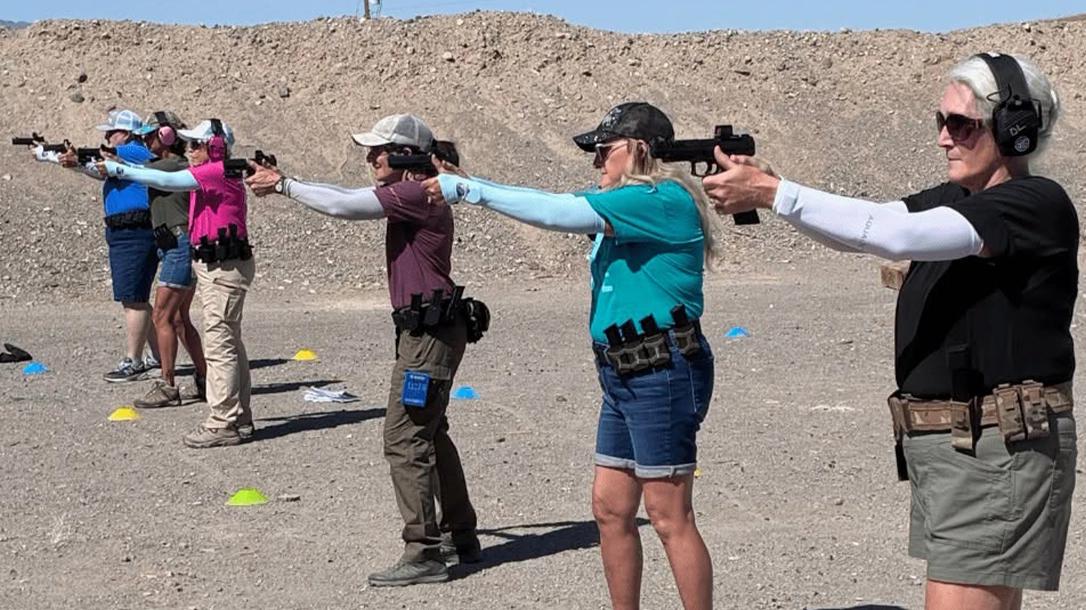
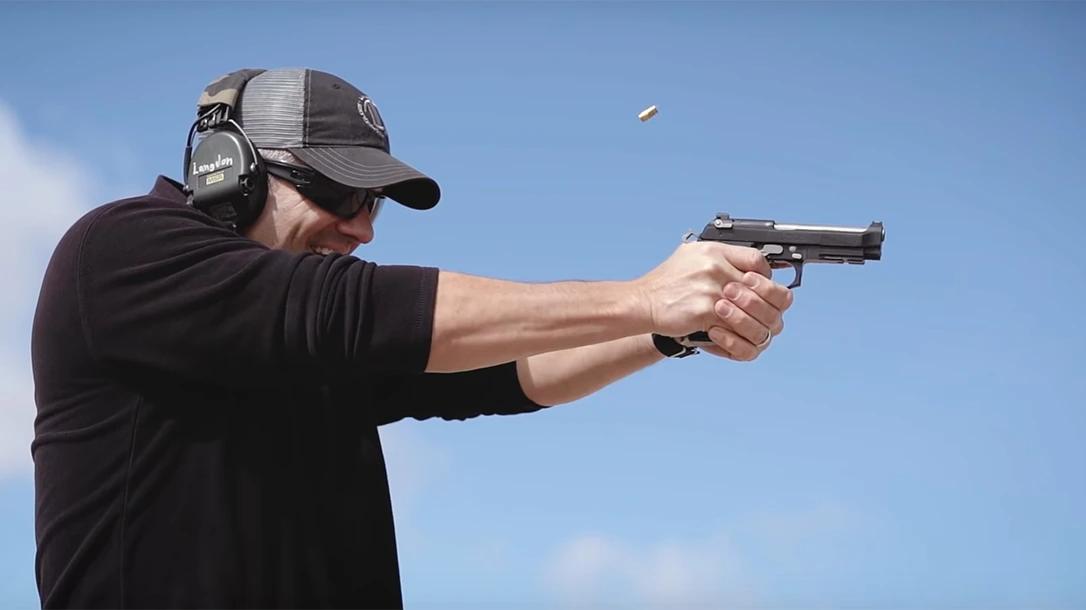
Real self-defense encounters demand gross motor movements: draw, present, fire multiple rounds on target within seconds. The margin for error shrinks. Magazine changes happen under fire, not in a controlled bay with a timer you chose.
Why It Matters for Gun Owners
Most civilian shooters train wrong. They optimize for accuracy competitions or range day bragging rights instead of survivable performance. A 2-inch group at 25 yards means nothing if you can't consistently hit center mass at 5 yards during a home invasion or parking lot ambush. Your heart rate will spike to 180+. Your hands will shake. Your breathing will stop.
Effective self-defense training must build stress inoculation. Force yourself to shoot while fatigued. Add movement. Add time pressure. Add simulated threat stimuli. Train for the performance you'll actually achieve under duress, not the performance you want to achieve. This gap between range and reality has ended more defensive shoots poorly than poor equipment ever will.
DownRange Analysis
The handgun industry sells precision. Marketing departments push tight groups and sub-2-second splits. But the actual determinant of defensive success is whether you can hit center mass multiple times while operating at 70% of your trained capacity under maximum stress. Train accordingly. Seek instructors who stress-test you. Practice presentation and multiple hits more than distance shooting. Accept that your defensive capability is lower than your range capability—then build redundancy into your training to close that gap as much as possible.