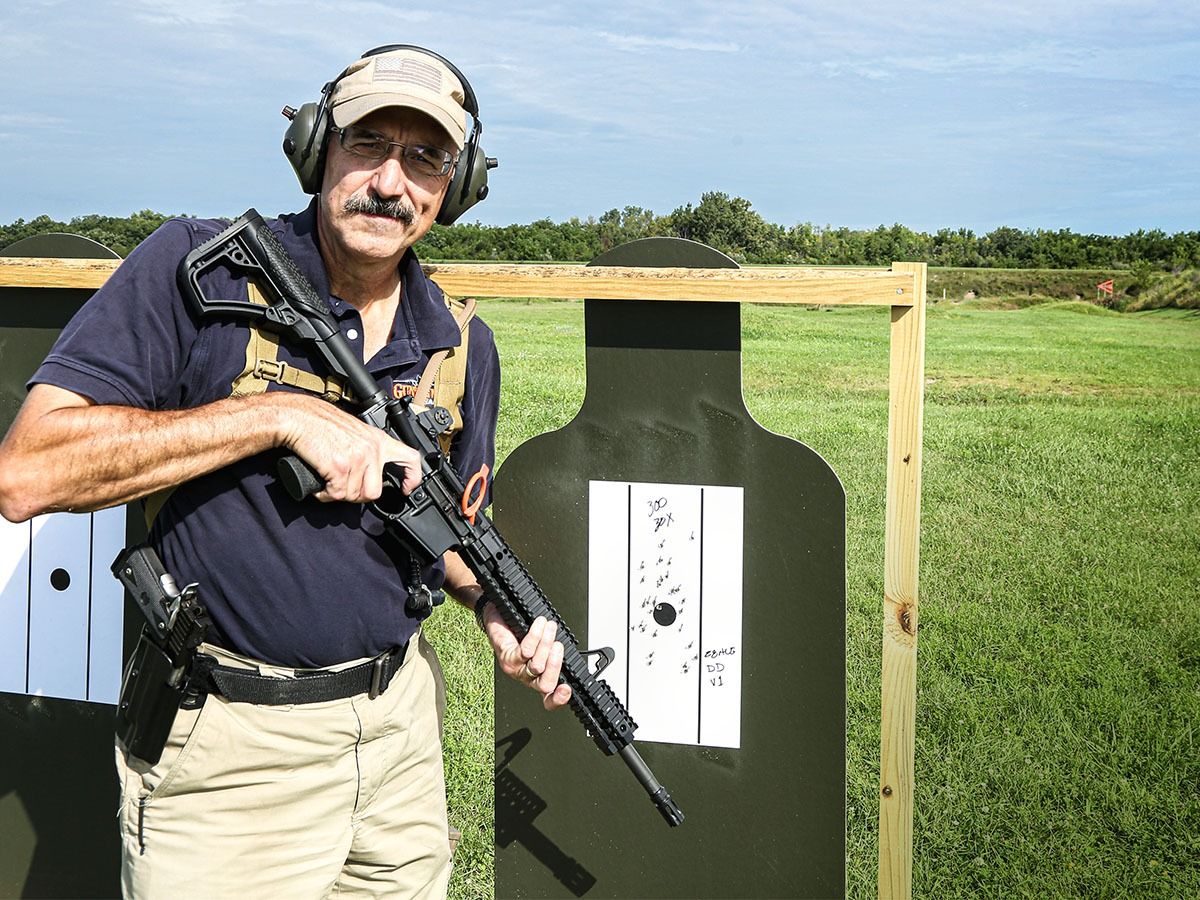
AR-15 Trigger Upgrades: When They Actually Matter
Aftermarket triggers flood the market, but swapping your AR-15's factory fire control group demands honest assessment. Gun Digest recently raised the practical question: does your shooting actually benefit from a $100+ upgrade, or does the stock trigger handle what you do? The answer depends entirely on your platform, your discipline, and how much trigger time you log monthly.
Key Details
Stock vs. Aftermarket Trade-offs: Factory mil-spec triggers ship at 5.5 to 9.5 pounds with creep and takeup. Aftermarket units (two-stage and single-stage) drop to 2.5 to 4.5 pounds with crisp breaks. Upgrade costs range from $80 to $300 depending on brand and mechanism.
Use Case Reality: Precision rifle shooters see immediate benefits. Competitive 3-gun and IPSC shooters report faster splits and better sight tracking. Range shooters and casual carry users often notice no meaningful performance shift.
Installation and Legality: Drop-in triggers install in minutes without gunsmithing. All components remain within federal law when properly configured—no issues with semi-auto compliance.
Why It Matters for Gun Owners
Your AR-15's trigger directly affects accuracy, speed, and shooter confidence under stress. If you compete, hunt precision shots past 200 yards, or run low-light drills, a quality aftermarket trigger sharpens performance measurably. The margin compounds over hundreds of rounds. Conversely, if your rifle sits in a safe or only sees occasional range trips, the factory trigger fires the same ammunition and hits the same targets. The $150-plus stays in your ammunition budget where it delivers real value. Carry gun AR owners should factor reliability over feel—factory triggers have decades of combat documentation. Competition shooters building dedicated race guns should budget for the upgrade as a baseline. Hybrid users (home defense + occasional competition) benefit from two-stage triggers that split the difference between speed and control.
DownRange Analysis
Trigger technology sold as premium often relies on marketing rather than measurable velocity gains. The actual performance edge exists only if your fundamentals already demand it. A shooter with loose grip control or inconsistent trigger press gains nothing from a 3.5-pound break. A disciplined marksman drops time immediately. Before spending, run a controlled test: rent or borrow a rifle with an aftermarket trigger and measure your groups and split times against your current setup over 500 rounds. If you see less than 10% improvement, skip it. If you see 20% or better, the upgrade pays dividends across every platform you build. The market will keep pushing triggers as essential. Your actual trigger needs are not.