Dodgers Pride Merchandise Ignites Second Amendment Community Backlash
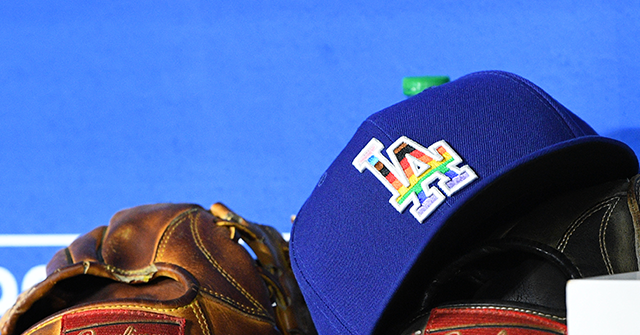
The Los Angeles Dodgers' Pride Month merchandise dropped in June 2026 with corporate fanfare. Conservative media figures immediately flagged the promotional items as corporate pandering during Pride observance. The backlash exposed a widening cultural divide between major sports franchises and their base of gun-owning fans.
Alex Marlow, Breitbart's Editor-in-Chief, led the charge on his Monday, June 10 broadcast. He characterized the Dodgers' Pride collection as calculated corporate messaging rather than authentic support. Marlow's criticism resonated across conservative platforms, where Second Amendment advocates questioned why major corporations leverage cultural moments while remaining silent on gun rights issues.
The Corporate Pattern Gun Owners Notice
This isn't the Dodgers' first fumble with their fan base. Major sports franchises have consistently championed progressive causes while distancing themselves from Second Amendment communities. The merchandise controversy highlights what many gun owners see as selective corporate activism—enthusiastic support for some movements while treating firearm advocates as pariahs.
The timing matters. June Pride Month marketing coincides with peak retail seasons. Yet these same corporations rarely dedicate equivalent resources to causes that matter to gun owners: constitutional rights protection, rural community support, or hunting heritage preservation.
Conservative media connected the dots quickly. If corporations embrace identity-based marketing for some communities, why the conspicuous silence on Second Amendment rights? The Dodgers' Pride merchandise became a symbol of perceived corporate hypocrisy—celebrating diversity while implicitly rejecting the values held by millions of their potential customers.
What This Means for Gun Owners
Sports franchises depend on broad fan bases. When organizations embrace selective corporate activism, they risk alienating significant demographic segments. Gun owners represent roughly 32% of American households. Many are loyal sports fans who feel increasingly unwelcome at stadiums and team merchandise counters.
The Dodgers situation signals something larger: Second Amendment communities are tracking which brands acknowledge their existence and values. The backlash wasn't primarily about Pride Month itself—it reflected frustration with corporate gatekeeping that celebrates some identities while marginalizing others.
For gun owners, the message is clear: major institutions are comfortable with progressive positioning if it drives revenue. But those same institutions won't champion or even acknowledge constitutional rights that affect millions of Americans. That asymmetry fuels the resentment that exploded around the Dodgers' merchandise drop.
DownRange Analysis
Corporate activism is conditional. It expands and contracts based on perceived market advantage and cultural momentum, not principle. The Dodgers' Pride merchandise controversy reveals how shallow corporate diversity often runs when it conflicts with other constituencies.
Gun owners have learned a critical lesson: major institutions will embrace identity politics selectively. They'll allocate marketing budgets, merchandise lines, and corporate resources to causes gaining mainstream media attention. But Second Amendment rights—explicitly protected by the Constitution—remain corporate radioactive.
This pattern drives polarization. When corporations signal that some communities deserve celebration while others deserve silence, trust erodes. Gun owners notice they're welcome as customers until their values become inconvenient for corporate messaging strategies.
The Dodgers merchandise controversy won't change corporate behavior immediately. But it's documenting something important: Second Amendment communities are awake to institutional double standards. That awareness shapes purchasing decisions, brand loyalty, and political engagement going forward.
Source: Breitbart News