Roni Shrinks Pistol Carbine Platform to Pocket Dimensions
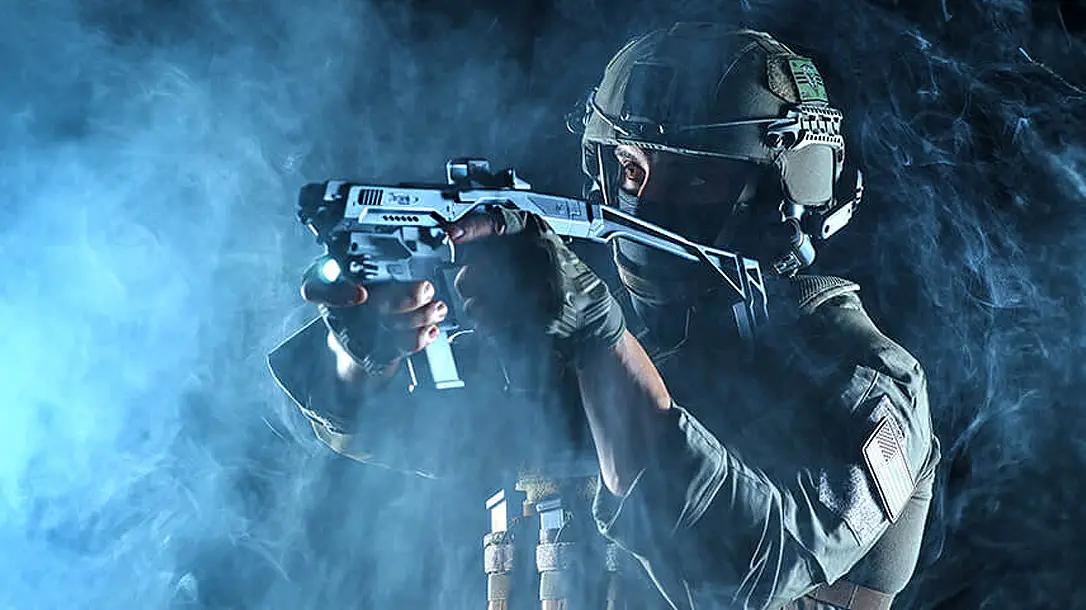
Roni Corporation unveiled the Nano Roni this week—a conversion kit that transforms compact pistols into functional carbines without the bulk of earlier models. The system addresses a real gap: shooters wanted modular platforms that didn't sacrifice concealability or ease of deployment.
What Changed From Previous Generations
Earlier Roni kits delivered modularity but demanded real estate. The Nano variant slashes overall footprint while keeping the modular architecture that made the platform useful. Shooters can still swap components and adapt the system to different missions and ammunition types.
Roni maintained compatibility with existing rails and attachment points from their standard lineup. Users won't need entirely new accessories. The reduced profile means the Nano fits spaces previous Roni systems couldn't occupy—vehicles, bags, and duty gear become viable storage options.
Tactical Reality Check
Pistol carbines occupy contested territory in the tactical world. They offer velocity gains over standard pistols and improved ergonomics during transitions. The Nano version specifically targets shooters juggling concealed carry needs with backup firepower potential.
Law enforcement trainers have shown interest in conversion kits for low-profile vehicle carbines. Smaller departments with limited armory budgets appreciate using duty pistols as carbine platforms. The Nano's compact design makes it practical for cruiser storage without consuming space dedicated to duty rifles.
Home defenders face different math. A pistol carbine conversion takes seconds to deploy from a safe. The platform doesn't require dedicated storage separate from your primary carry gun.
Why This Matters for Gun Owners
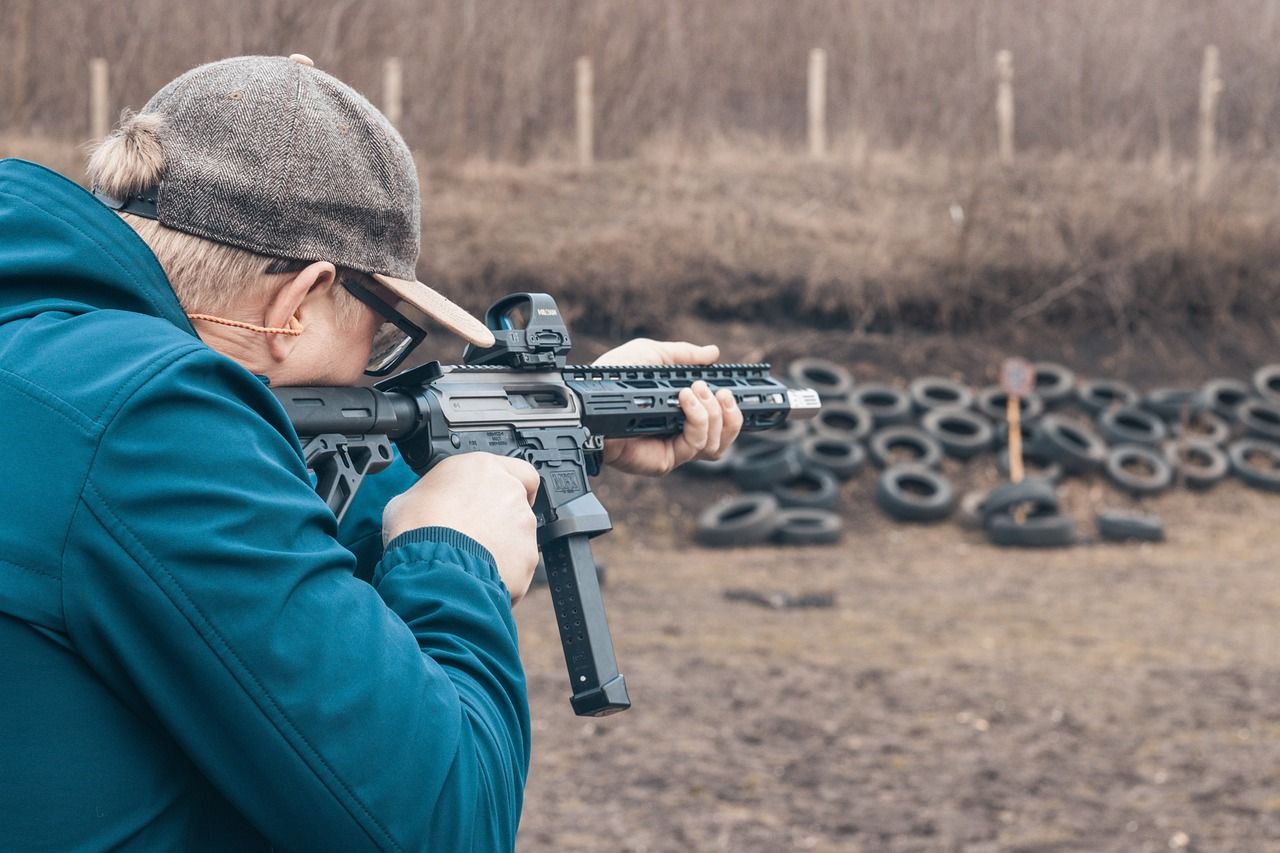
Most pistol carbine systems require sacrifice—you choose between modularity and size, or accept both limitations. The Nano represents actual engineering against that tradeoff. Shooters testing the platform report faster handling than full-size carbines without the instability issues plaguing some ultra-compact conversions.
Pricing aligns with other quality conversion kits in the $300-$500 range, though exact MSRP varied by retailer at launch. That price point matters. Spending $400 for a functional backup carbine is cheaper than buying a dedicated short-barreled rifle, and you're not running afoul of NFA paperwork.
The modular system lets users customize ergonomics, optic mounting, and charging handle position. Shooters with hand injuries or arthritis can configure controls around their limitations.
DownRange Analysis
Pistol carbine conversions remain a smart middle ground between pistol and rifle. They don't replace duty carbines, but they solve real problems: vehicle defense, space constraints, and budget limitations.
The Nano's smaller footprint removes the biggest legitimate criticism of earlier Roni platforms—they were genuinely large for what they delivered. Solving that problem opens legitimate use cases. Plainclothes officers now have a practical option. Vehicle storage becomes feasible. Concealed carry shooters can maintain a backup carbine without dedicated safe space.
Modular design matters more than gun writers admit. The ability to swap charging handle sides, adjust optic mounts, or swap barrels later without buying a new platform keeps costs reasonable. That flexibility extends the system's lifespan through your shooting life.
The Nano Roni won't revolutionize your shooting program. But for specific missions—vehicle defense, crowded urban carry, or budget-conscious departments—it removes friction from a proven platform.