Metal Tactical Pens Deliver Strikes Where Gun Laws Block Carry
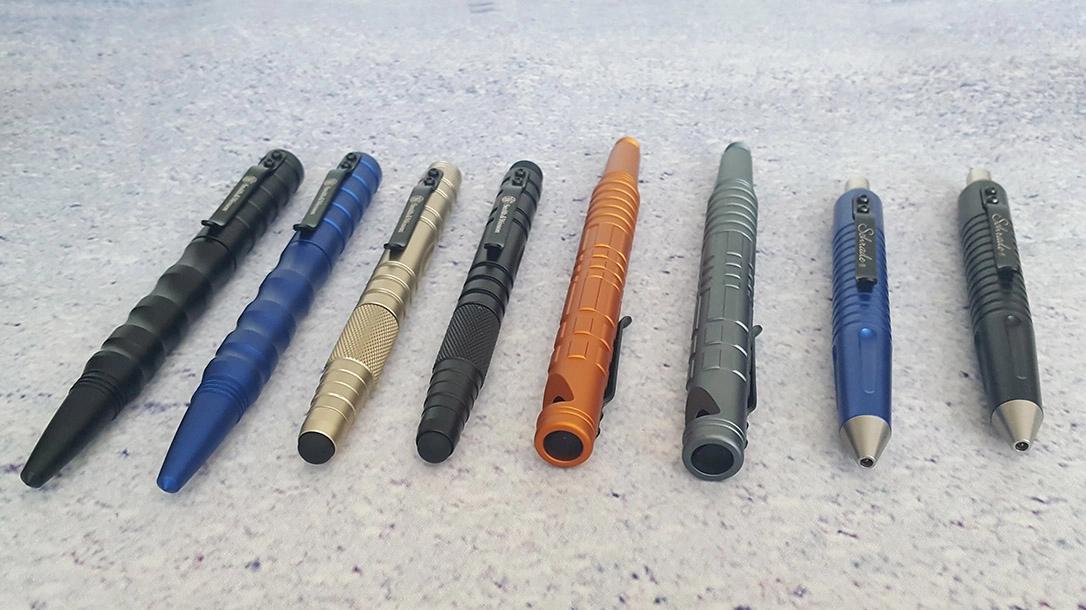
A tactical pen resembles an ordinary ballpoint clipped to a pocket or notebook. Inside: hardened metal construction engineered to absorb impacts that would snap a standard pen. In a defensive emergency, it functions as a focused-strike tool targeting vulnerable areas—eyes, throat, instep—without triggering the legal restrictions that apply to knives, impact weapons, or firearms in many states and municipalities.
Key Details
- Tactical pens use aircraft-grade aluminum or steel barrels designed to withstand repeated strikes without fracturing
- Tip geometry concentrates force into a small surface area, maximizing penetration and pain compliance
- Models typically weigh 1–2 ounces and measure 5–6 inches, fitting standard shirt or jacket pockets
- Function as working pens—writing capability remains intact, avoiding appearance of a dedicated weapon
- Pricing ranges $15–$60 for quality brands; no licensing, registration, or background check required in any U.S. state
Why It Matters for Gun Owners
Carry-legal status matters most in states where you cannot legally possess a fixed-blade knife, spring-assisted folder, or expandable baton. California, New York, Illinois, and New Jersey restrict or prohibit most impact weapons and blades under 3 inches. A tactical pen, classified as a writing instrument, operates in this legal gray zone across all 50 states. For armed citizens traveling through hostile jurisdictions or working in restricted environments—courthouses, federal buildings, airports—a tactical pen provides a non-firearm option with no permit requirement. It is not a gun substitute; it is a backup tool for scenarios where a firearm is legally unavailable. Competency matters: untrained strikes reduce effectiveness and increase injury risk to the user.
DownRange Analysis
Tactical pens occupy a legitimate defensive niche, but expectations must remain grounded. A pen—tactical or otherwise—does not replace training, situational awareness, or de-escalation. Against multiple attackers or armed opponents, a pen is an emergency option only. Courts have upheld self-defense claims involving improvised weapons when force was reasonable and proportional; a tactical pen strikes land in that middle ground. The real value: plausible deniability in restricted jurisdictions and functional utility beyond self-defense. Gun owners in free-carry states should prioritize their pistol; in restrictive states, a tactical pen fills a specific void. Quality brands that emphasize training and responsibility should be chosen over cheap novelty variants. This is a tool for extreme circumstances, not a primary defense system.